Nairobi Coworking Spaces With Backup Power, Kenya Power Rationing 2026
Ruto confirmed it: Kenya’s grid is running out of headroom. Here are the verified Nairobi coworking spaces with backup power so your work day survives the rationing window.
7 min readNairobi, Kenya
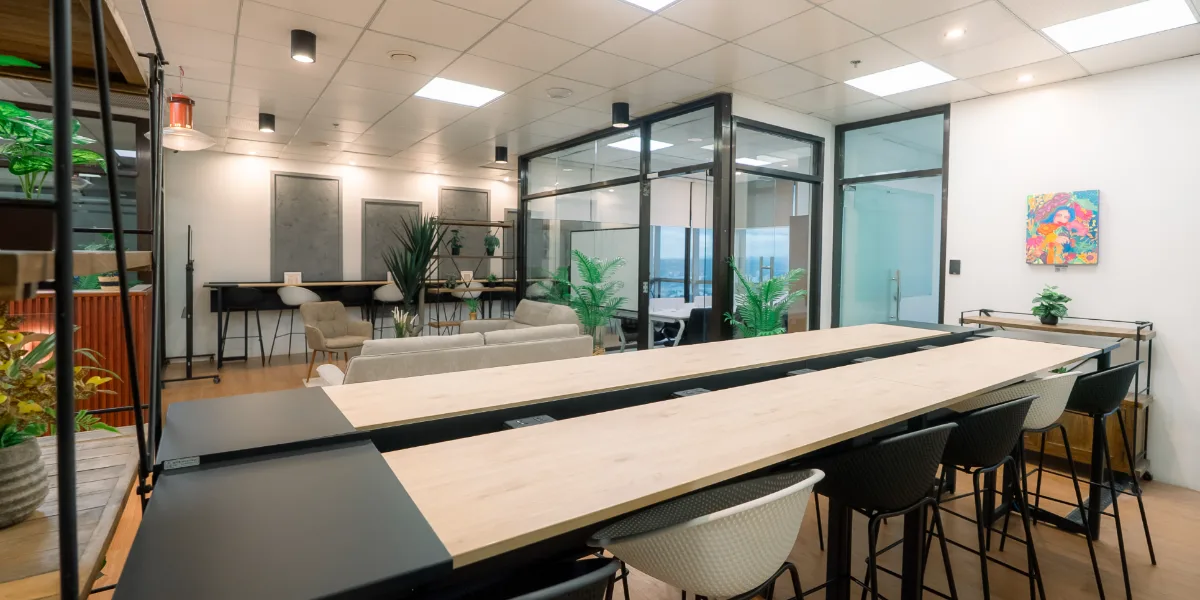
Kenya’s power reserve margin is at 3.3 percent as of August 2026. Rationing runs 5pm to 10pm in rotation across Nairobi neighbourhoods. For remote workers, the practical solution is a coworking space with verified backup power. The three spaces below have confirmed it.
President Ruto said it out loud. “We have to shut off some areas to power other areas because our energy is insufficient.”
That is not a power company spokesperson. That is the head of state confirming what every remote worker in Nairobi already knew: Kenya’s grid is under real pressure, and the rationing is deliberate.
Monthly budgets in Nairobi start around $800 to $1,200 including rent, coworking, food, and transport. One of the most accessible cost bases for a major African city. The power situation is manageable. You just need to know which spaces have backup before you commit to one.
We mapped Nairobi’s coworking infrastructure for Zenvivas. Power backup is now the first thing we check. Here is what the situation actually looks like, and what it means if you are working remotely in Nairobi right now.
QUICK FACTS
Time zone: EAT (UTC+3)
Currency: Kenyan Shilling (KES)
Typical rationing window: 5pm to 10pm (rotates by neighbourhood)
Reserve margin: 3.3% as of August 2026 (IEA recommends 20 to 35%)
Investment gap to fix the grid: Ksh 1.2 trillion
Coworking with backup power: Nairobi Garage, iHub, The Alley Karen
Mobile data backup: Safaricom 4G/5G (runs independently of KPLC grid)
Best nomad neighbourhoods: Westlands, Kilimani, Karen, Lavington
WHAT IS HAPPENING WITH KENYA’S POWER
In November 2025, Kenya’s peak demand hit a record 2,411.98 MW against a generation capacity of approximately 2,316 MW. Demand exceeded supply. Kenya Power responded by rationing — rotating blackouts affecting different areas daily, running through the evening peak hours.
By August 2026, the reserve margin had fallen to less than 3.3 percent. The International Energy Agency recommends a buffer of 20 to 35 percent. Kenya is running at a fraction of that.
The investment gap is Ksh 1.2 trillion. Ruto’s words, not ours. The infrastructure to close it: 50 mega-dams, 560 MW of new geothermal, expanded wind and solar. None of it comes online before the early 2030s.
For the next several years, this is the operating environment in Nairobi.
WHAT THIS MEANS FOR REMOTE WORKERS
The 5pm to 10pm rationing window is the problem. That is peak work hours for anyone calling clients or collaborating with teams in Europe. EAT is UTC+3, so 5pm Nairobi is 3pm London and 10am New York. The moment power drops, your home internet goes with it, your laptop runs on battery, and a video call dies mid-sentence.
Working from home in Nairobi without a generator or solar backup is a risk during rationing hours.
The two workarounds:
First, work from a verified coworking space with confirmed backup power. Not every space has it. The ones that do are listed below.
Second, if you are working from home or a café, keep Safaricom 4G or 5G as your active connection. Safaricom’s mobile network runs on its own infrastructure and stays up during KPLC outages. A MiFi device or phone hotspot on Safaricom is the fastest home fallback when power drops. A 10GB Safaricom data bundle costs under KES 1,000 and covers a full day of calls and browsing.
THE COWORKING SPACES IN NAIROBI WITH VERIFIED BACKUP POWER
We only list spaces where backup power has been confirmed. If a space is not on this list, we have not been able to verify their power situation.
NAIROBI GARAGE WESTLANDS
Location: Delta Corner, Ring Road Westlands, Nairobi
Price: From KES 8,000 per month (approx. $62)
WiFi: 100 Mbps
Backup power: Generator and UPS
Hours: 24/7 access for members
Find on Zenvivas: zenvivas.com
The longest-running coworking brand in Nairobi, operating since 2011. Backup power infrastructure built from day one because Kenya’s grid situation is not new. The Westlands location is the most established. 24/7 access means the evening rationing window does not affect your work day.
Zenvivas verified tip: The generator at Nairobi Garage Westlands switches within seconds of a power drop, fast enough that a video call stays connected through the transition. If you are running client calls between 5pm and 10pm Nairobi time, this is the category of space you should be working from. The 24/7 access also means early morning calls to Asia or late calls to the US are not a problem.
iHUB NAIROBI
Location: Senteu Plaza, Galana Road, Kilimani, Nairobi
Price: From KES 5,000 per month (approx. $39)
WiFi: 80 Mbps
Backup power: Generator
Hours: Monday to Saturday, 8am to 8pm
Find on Zenvivas: zenvivas.com
Africa’s most referenced tech hub. iHub launched in 2010 and has been the address behind more Kenyan tech startups than any other space on the continent. The Kilimani location is the current home. The community is the reason nomads keep coming back. The people working here are building things, not just running remote meetings.
Backup power confirmed. The monthly rate at KES 5,000 is the most accessible entry point for a verified professional coworking space in the city.
Zenvivas verified tip: iHub’s real value is not the desk. It is the network. If you are a founder, developer, or product person working remotely in Nairobi, the connections inside iHub are worth more than the WiFi speed. The space draws the people building Kenya’s tech ecosystem. Show up for a month and you will leave with a network that follows you after you land somewhere else.
THE ALLEY NAIROBI
Location: Ngong Road, Karen, Nairobi
Price: From KES 6,500 per month (approx. $50)
Day pass: KES 800 (approx. $6.20)
WiFi: 120 Mbps
Backup power: Solar and battery backup
Hours: Monday to Friday 7am to 9pm. Saturday 8am to 5pm.
Find on Zenvivas: zenvivas.com
Solar-backed power is a different category from a generator. The Alley runs on a solar and battery system which means during rationing hours the space does not notice the outage. No engine noise, no fuel cost, no switchover delay. The 120 Mbps connection holds seamlessly because the system never cuts.
Karen is not the most central location in Nairobi but it is one of the most liveable. Quieter streets, green surroundings, and a workspace community that skews toward senior remote professionals and consultants.
Zenvivas verified tip: Solar backup is the most practical power solution we have verified in any Nairobi coworking space. No fuel dependency, no noise, no interruption. The switchover from grid to battery is instantaneous and your connection does not drop at all. If you are choosing a Nairobi base for a longer stay and power reliability is your top priority, start here.
QUICK COMPARISON
Space | Day Pass | Monthly | WiFi | 24/7 | Backup Power
Nairobi Garage Westlands | On request | KES 8,000 (~$62) | 100 Mbps | Yes | Generator + UPS
iHub Nairobi | On request | KES 5,000 (~$39) | 80 Mbps | No | Generator
The Alley Karen | KES 800 (~$6.20) | KES 6,500 (~$50) | 120 Mbps | No | Solar + Battery
WHAT TO CHECK BEFORE YOU BOOK ANY NAIROBI WORKSPACE
Does the space have a generator or solar backup, not just a UPS battery that lasts 20 minutes. Ask directly.
What is the switchover time when power drops. A generator with a 10-second delay will drop your video call. A sub-2-second UPS will not.
Does the WiFi router have its own battery backup. A generator powering the space does not automatically mean the router stays up. Confirm separately.
What are the rationing hours in the specific neighbourhood. KPLC rotates areas on different schedules. The space’s neighbourhood matters.
Every space listed on Zenvivas has had these questions asked before we list them. That is the standard.
FREQUENTLY ASKED QUESTIONS
Is there power rationing in Nairobi right now?
Yes. Kenya’s power reserve margin fell to less than 3.3 percent as of August 2026, well below the internationally recommended 20 to 35 percent buffer. Rationing has been confirmed by both Kenya Power and President Ruto. Affected areas experience scheduled outages, most commonly in the 5pm to 10pm window.
Which coworking spaces in Nairobi have backup power?
Nairobi Garage Westlands (generator and UPS), iHub Nairobi (generator), and The Alley Karen (solar and battery) all have confirmed backup power. All three are listed on Zenvivas at zenvivas.com.
Can I work remotely in Nairobi during load shedding?
Yes, from a verified coworking space with backup power, or from home using Safaricom 4G/5G mobile data as your connection. Safaricom’s network runs independently of the KPLC grid and stays up during outages. A MiFi device on Safaricom is the fastest home fallback.
How long will Kenya’s power rationing last?
Kenya’s grid investment gap is Ksh 1.2 trillion. The infrastructure projects planned including new geothermal capacity and expanded renewables are not expected to close the gap before the early 2030s. Rationing is a medium-term reality for Nairobi, not a short-term disruption.
Is Nairobi still worth it as a remote work base despite the power issues?
Yes. Nairobi has fast internet in verified coworking spaces, a large English-speaking professional and tech community, direct flights to Europe, and monthly budgets starting around $800 to $1,200. The power situation is manageable with the right workspace. It is a known variable, not a dealbreaker.