Nigeria Has No Digital Nomad Visa in 2026
Lagos has world-class coworking and no nomad visa. Here’s what international remote workers need to know about working from Nigeria in 2026.
By Zenvivas Admin6 min readLagos, Nigeria
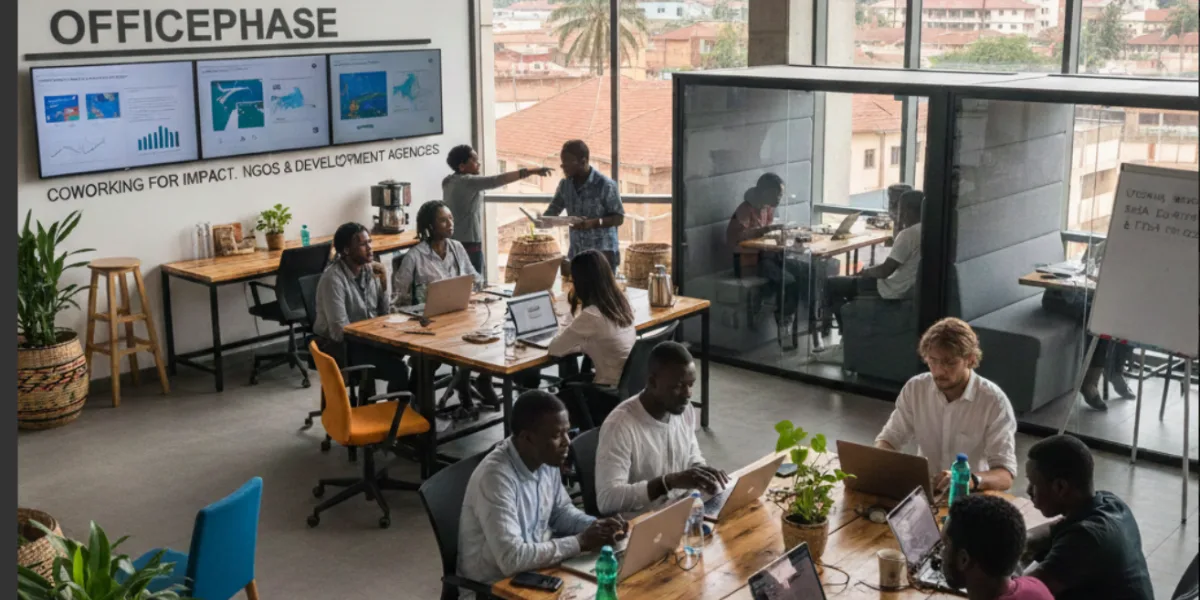
Nigeria has the most sophisticated tech ecosystem in West Africa, and zero official infrastructure for the digital nomads who want to base themselves here. That gap is not a small thing. It is the difference between LAGOS becoming one of the world’s top nomad bases and remaining a destination that adventurous workers whisper about but rarely try.
The Scene That Already Exists
Spend a week in LAGOS and the coworking reality surprises you. CCHUB in YABA is running at capacity on many mornings. THE BUNKER in LEKKI gives you air conditioning and reliable power at around 5,000 NGN per day ($3.70 at the approximate exchange rate of 1 USD to 1,350 NGN). THE ZONE in IKEJA serves a different corporate crowd. WORKBAY in VICTORIA ISLAND is polished, professional, and genuinely good. The workspace scene here rivals NAIROBI and beats most cities in the Gulf for price-to-quality.
Then you check the visa options. And the energy drops.
The Visa Reality in 2026
Kenya launched its Class G Digital Nomad Permit. Rwanda has a renewable remote work visa framework. South Africa launched its Remote Work Visa in 2025. Mauritius, Seychelles, and Cape Verde all have formal nomad pathways. Even Ivory Coast and Namibia are building frameworks.
Nigeria? No program. No dedicated pathway. No official recognition that remote workers are an economic category worth welcoming.
If you are an international remote worker who wants to base yourself in LAGOS for three months, your only official option is a tourist visa. It is valid for 30 days with the possibility of extensions at the Nigerian Immigration Service. There is no tax clarity for your remote income. No dedicated support structure. No official acknowledgment that you exist as a worker, not just a tourist.
For a country whose tech scene produced Paystack (acquired by Stripe), Flutterwave (valued at over $3 billion), and CCHUB (the continent’s most influential incubator and coworking ecosystem), this is a strange and costly gap.
What the Japa Movement Tells Us
The Japa movement is Nigeria’s most discussed economic phenomenon of the decade. Tens of thousands of skilled Nigerian professionals leave each year to work remotely from Europe, Canada, the UAE, and beyond. Nairametrics tracked 10 countries in 2026 specifically building immigration pathways to attract Nigerian professionals. Vanguard documented 9 countries actively competing for Nigerian talent.
Nigeria is building an outbound pipeline at speed. The reverse infrastructure, the kind that would let international remote workers come in and spend their dollars in LAGOS, does not exist.
That is an economic policy choice. It is not a permanent condition.
Why This Matters Beyond the Numbers
The African countries winning the nomad economy in 2026 are not winning because they have the best beaches. They are winning because someone made a deliberate decision: remote workers generate economic activity, and we want them here.
Kenya said yes. Rwanda said yes. South Africa said yes.
Nigeria has not said anything.
This is not inevitable. Nigeria’s federal government has shown the ability to move fast when the economic case is clear. The digital economy is a priority in multiple policy frameworks. The coworking infrastructure is already built. The startup ecosystem already has global credibility.
What is missing is a single policy decision: create a pathway for remote workers to legally, clearly, and confidently base themselves in LAGOS.
What You Can Do Right Now
None of this means Lagos is off-limits. Many international remote workers do base themselves here on tourist visas for shorter periods, with legal counsel advising on extensions. The workspace is world-class. The city is irreplaceable.
If you want to explore working from LAGOS, your starting point is finding the right workspace before you land. That is exactly what Zenvivas is built for. CCHUB, THE BUNKER, and spaces across Nigeria are live on the platform. You can browse verified options across YABA, LEKKI, and VICTORIA ISLAND and have a workspace locked before your flight.
For anyone spending more than a few days in West Africa, sort travel insurance before you land. SafetyWing’s Nomad Insurance covers Nigeria from $45 per month and pays out in USD regardless of where you are treated.
The city is extraordinary. The bureaucracy is behind. The platform that connects you to it is ready.
Find your Lagos workspace now at zenvivas.com/destinations/nigeria/lagos.
If you run a coworking space or stay in LAGOS or anywhere across Nigeria, this is the moment to build your international pipeline while the country figures out its visa framework. The demand is coming. At this stage, listing your space is completely free and you manage all bookings directly. Get started at zenvivas.com.
Also explore: Accra, Ghana | Abidjan, Ivory Coast | Nairobi, Kenya
Quick Facts
Visa: Tourist visa, 30 days on arrival, one extension possible at Nigerian Immigration Service; no digital nomad visa available
Best coworking: THE BUNKER LEKKI, approximately 5,000 NGN/day ($3.70)
Currency: 1 USD = approximately 1,350 NGN (November 2026, verify at xe.com before booking)
Travel insurance: SafetyWing Nomad Insurance covers Nigeria from $45/month
Nearest Zenvivas city with nomad visa framework: Accra, Ghana: zenvivas.com/destinations/ghana/accra
Last updated: November 2026
FAQ
Can I work remotely in Nigeria on a tourist visa in 2026?
You can enter Nigeria on a tourist visa and physically work from your laptop in a coworking space. Nigeria does not currently have a digital nomad visa or formal remote work permit category, so there is no official legal framework specifically for remote workers. The tourist visa is typically valid for 30 days and can be extended at the Nigerian Immigration Service offices. For stays longer than 60 days, you would need legal advice specific to your nationality and situation. Many international remote workers do shorter rotations of 30 to 60 days in LAGOS without issues.
How long can I stay in Nigeria on a tourist visa in 2026?
A standard Nigerian tourist visa is valid for 30 days from arrival, with the possibility of a 30-day extension applied for at the Nigerian Immigration Service. Some nationalities receive 90-day visas. There is no visa-on-arrival for most Western passport holders, so apply in advance through the Nigerian Immigration Service portal at immigration.gov.ng. Note that Nigeria does not currently recognize a digital nomad category, so you enter and extend as a tourist.
What is the best coworking space in Lagos for digital nomads in 2026?
CCHUB in YABA remains the most prestigious option in LAGOS, known for its fintech and startup community and its role as the coworking home of Nigeria’s most visible founders and operators. THE BUNKER in LEKKI is frequently cited for reliable power and internet at approximately 5,000 NGN per day ($3.70 at current rates). THE ZONE in IKEJA suits those working closer to the airport corridor, while WORKBAY in VICTORIA ISLAND serves the financial and corporate district. Browse current availability at zenvivas.com/destinations/nigeria/lagos.
Why doesn’t Nigeria have a digital nomad visa in 2026?
Nigeria has no formal digital nomad visa program as of November 2026, despite being the continent’s largest economy and home to West Africa’s most developed tech ecosystem. Countries like Kenya, Rwanda, South Africa, Mauritius, Seychelles, and Cape Verde have all launched nomad visa programs between 2022 and 2025. Nigeria’s federal government has not yet created a dedicated remote worker pathway, though the economic case for doing so is strong given the size of the existing coworking ecosystem and the outbound Japa trend creating a natural reverse-flow opportunity.
How much does coworking cost in Lagos in 2026?
THE BUNKER in LEKKI charges approximately 5,000 NGN per day, which is roughly $3.70 USD at the approximate exchange rate of 1 USD to 1,350 NGN. This makes LAGOS one of the most affordable major tech city coworking markets on the continent. Monthly memberships vary by space but typically range from 80,000 to 200,000 NGN ($59 to $148 USD) depending on the space type and access level. Power and reliable internet are the two key variables to check per space, as load shedding and connectivity can vary significantly by neighbourhood.
Your workspace. Your stay. Your crew.
Keep reading

AI Layoffs 2026: What New Digital Nomads Need to Know
240,868 tech workers laid off in 2026. 36% tied to AI. Here is the practical guide for newly remote professionals considering the nomad path.
11 November 2026
Canva Layoffs 2026: What 1,271 Tech Workers Do After the Cut
Canva cut 22% of its workforce in November 2026, mostly design and creative roles AI is replacing. For the people with portable skills and severance runway, the next question is…
10 November 2026
Is the Coworking WiFi You Are Using Right Now Safe?
Hackers turned 700 supermarket freezers up to 122°F across France. The UK just warned AI ransomware will hit critical infrastructure by 2028. Here is what remote workers in Africa…
3 November 2026