Kofisi Nairobi Closed Karen and Upper Hill in 2026. The Best Alternatives Right Now.
Kofisi shut down its Karen and Upper Hill coworking locations in January 2026 after a Ksh 417M loss. If you are searching for a Nairobi coworking alternative right now, here is what the market looks like, neighborhood by neighborhood.
8 min readNairobi, Kenya
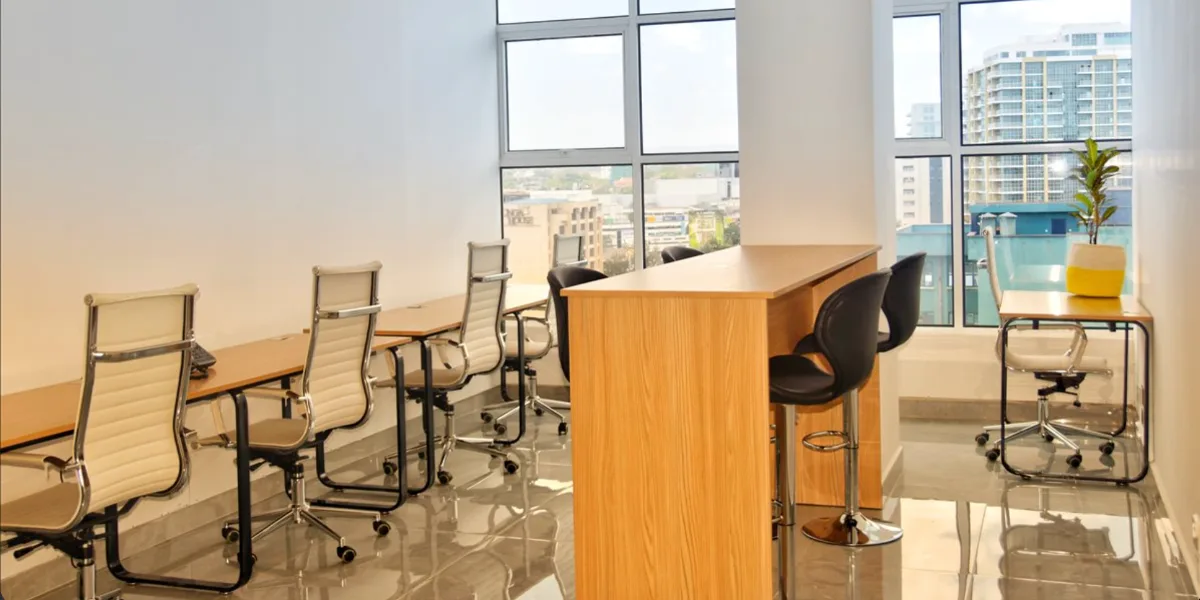
In January 2026, Kofisi shut down its Karen and Upper Hill coworking spaces in Nairobi. The closures followed a reported Ksh 417 million loss. For the members who had been working from those locations, it was not an abstract business story. It was a Monday morning problem.
This post is not a postmortem on Kofisi. It is a practical guide for anyone who is searching for verified, professional workspace in Nairobi right now, whether you were a Kofisi member looking for a new home base, or a nomad or remote worker arriving in Nairobi for the first time and trying to understand where to actually work.
What the Closures Meant for the Nairobi Coworking Market
Kofisi’s Karen and Upper Hill locations were not niche. They served a specific profile: mid-to-high-end, polished, professionally oriented, with a member base that skewed toward regional business, development sector organisations, and established remote workers rather than early-stage freelancers. That profile is real and it still exists in Nairobi. It just lost two of its most visible home bases simultaneously.
Karen is a mid-to-upper income suburb with significant professional density: embassy-adjacent workers, development sector professionals, international school community, and a growing number of nomads who chose the area for its quieter pace and green space. Upper Hill is Nairobi’s financial district spine, home to bank headquarters, international organisations, and professional services firms.
Losing workspace capacity in both zones at once, without meaningful advance notice, created real displacement. The search volume that followed the closures on “coworking Nairobi,” “Karen coworking,” and “Upper Hill coworking Nairobi” is not past tense. That search is still happening. If you landed on this page, you are part of it.
Where the Nairobi Coworking Market Actually Lives in 2026
Nairobi’s reliable coworking infrastructure concentrates in a few corridors. Understanding which zone works for your situation matters more than finding a specific space.
Westlands and Parklands: the highest-density option. This is where the most verified, professional-grade coworking spaces in Nairobi are currently operating. Fiber internet from multiple ISPs runs at 50 to 200 Mbps in this zone. Power backup is standard across the professional spaces. The neighborhood has the density of cafes, pharmacies, restaurants, and transport connections that makes running a full working day without a car realistic. For nomads arriving in Nairobi for a working stay of two weeks or longer, Westlands is the most operationally sensible base. It is also where the Zenvivas-listed spaces in Nairobi are concentrated. Browse them at zenvivas.com/destinations/kenya/nairobi.
Kilimani: the mid-ground. Between Westlands and Upper Hill geographically and in character. Residential feel with professional infrastructure. Good internet availability. Popular with professionals who want slightly lower density than Westlands but still reliable access to coworking and services.
Upper Hill: for proximity to the financial district. If your work involves regular in-person meetings with banks, development organisations, or government-adjacent institutions, the Upper Hill corridor remains functional. Kofisi’s closure left a gap, but other operators are present. This zone is not the right base if you do not have a specific reason to be close to the financial district, because the commute math from Upper Hill to the rest of Nairobi gets complicated quickly.
Karen: the realistic picture. Karen is a beautiful neighborhood and many people love living and working there. The honest assessment for displaced Kofisi Karen members is that most of them have redistributed toward the Westlands corridor rather than finding a like-for-like replacement in Karen. The suburb sits 30 to 45 minutes from Nairobi’s professional infrastructure without traffic, which is significantly longer in the morning hours. For members who chose Karen primarily for the workspace and the routine, Westlands is the realistic replacement. For members who live in Karen and are not willing to commute, options exist in the suburb but are more limited in number and variety than the central zones.
The Specific Type of Space the Kofisi Members Need
Kofisi operated at a specific standard. Fast dedicated internet, reliable generator backup, air conditioning, meeting rooms that could be booked reliably, and a professional atmosphere that was not a startup accelerator or a coffee shop with laptops. That combination is what members were paying for and what they are still looking for.
That standard exists in Nairobi’s current market. The gap is not in supply. It is in visibility. The hardest part of finding a Kofisi-quality alternative in Nairobi right now is not that such spaces do not exist. It is that the search tools available, Google Maps, word of mouth, and coworking aggregators built for Western markets, do not reliably surface them with accurate current information on pricing, internet speed, and availability.
Zenvivas is built specifically to close that gap. We verify spaces before listing them: internet speed confirmed, power backup status confirmed, pricing current, meeting rooms noted. For a Kofisi member trying to find a new professional home base in Nairobi, zenvivas.com/destinations/kenya/nairobi is where the verified options are.
What This Market Looks Like for Nomads Arriving in Nairobi Now
If you are a digital nomad or remote worker arriving in Nairobi in 2026 and have never navigated the market before, the Kofisi closures are context rather than a barrier. The Westlands corridor has strong workspace infrastructure at pricing that works well against Western income levels.
A realistic monthly coworking membership in professional Nairobi spaces runs approximately KES 15,000 to KES 35,000 per month ($115 to $270 USD), depending on the zone and the level of access. Hot desk access is at the lower end. Dedicated desks and regular meeting room access push the figure higher. For a nomad earning in USD, GBP, or EUR, that pricing combined with Nairobi’s accommodation costs (furnished one-bedroom in Westlands: $700 to $950/month on current short-let listings) produces a compelling total cost of living relative to major Western cities.
The internet benchmark across professional coworking spaces in Westlands: 50 to 200 Mbps fiber on dedicated lines. Power backup is generator or solar UPS, standard across the professional tier. If you are running video calls, cloud uploads, and large file transfers simultaneously, the connection is not your bottleneck in this zone.
FAQ
Did Kofisi close all its Nairobi locations?
Kofisi closed its Karen and Upper Hill locations in January 2026, following a reported Ksh 417 million loss. These were two of the brand’s most prominent Nairobi sites. As of this writing, Kofisi-branded or affiliated operations may remain in other Nairobi locations. Verify current operational status directly before travelling to a Kofisi address.
What are the best Kofisi alternatives in Nairobi in 2026?
The Westlands and Parklands corridor has the highest concentration of professional-grade coworking options in Nairobi with verified internet and power backup. Kilimani offers a mid-ground option between residential and professional density. For Upper Hill proximity, options exist for professionals who need access to the financial district. Zenvivas lists verified Nairobi coworking spaces with current pricing and infrastructure data at zenvivas.com/destinations/kenya/nairobi.
Is there coworking in Karen Nairobi after Kofisi closed?
Limited options exist in Karen compared to the central zones. Most displaced Kofisi Karen members have moved to the Westlands corridor due to its higher concentration of professional-grade spaces. For members who live in Karen and cannot commute, options exist in the suburb but should be verified for current operational status and infrastructure quality before committing to a membership.
How much does coworking in Nairobi cost in 2026?
A hot desk membership at a professional coworking space in Westlands or Kilimani runs approximately KES 15,000 to KES 25,000 per month ($115 to $190 USD). Dedicated desks with more reliable access and meeting room inclusions run KES 25,000 to KES 35,000 ($190 to $270 USD). Day pass pricing is available but significantly higher per-day than a monthly rate. If you are staying more than two weeks, a monthly arrangement is almost always the better financial decision.
What is the internet speed at Nairobi coworking spaces?
Professional coworking spaces in Westlands and Kilimani run 50 to 200 Mbps on dedicated fiber lines. Multiple ISPs serve the zone, which means redundancy is possible in a well-equipped space. Power backup is generator or solar UPS, standard in the professional tier. Confirm specific speeds with individual spaces before committing, as infrastructure quality varies.
Is Nairobi safe and practical for digital nomads in 2026?
Nairobi is an operational city for digital nomads, particularly in the Westlands, Kilimani, and Parklands zones. These neighborhoods have consistent infrastructure, international supermarkets, medical facilities, and reliable Uber and Bolt coverage. The standard practical advice applies: use ride-hailing rather than street hails, stay aware of your surroundings in crowded areas, and brief yourself on current local conditions on arrival. The professional communities in these zones are well-established and international in character.
Where can I find a complete, verified list of coworking spaces in Nairobi?
Zenvivas maintains a live verified directory of Nairobi coworking spaces with current pricing, internet speed confirmation, power backup status, and meeting room availability. Browse at zenvivas.com/destinations/kenya/nairobi.
For Space Operators in Nairobi
The Kofisi closures displaced a specific profile of member: monthly, professionally oriented, not price-sensitive at the high end, and accustomed to a consistent standard. That cohort is actively searching for a replacement right now.
If your space meets that standard and you are not visible to someone doing a Nairobi workspace search from outside Kenya, or from inside Nairobi but without an existing local referral, the displaced Kofisi members will not find you.
Zenvivas lists verified coworking spaces in Nairobi and across Africa and the Middle East. Listings are free. No monthly subscription. No commission on bookings through the platform during the founding period. List your space at zenvivas.com and get in front of the members who are actively searching right now.
QUICK FACTS
What happened: Kofisi closed Karen and Upper Hill coworking locations in January 2026 following Ksh 417M in reported losses
Who was displaced: Monthly and regular members of two mid-to-high-end Nairobi coworking locations
Best alternative zone: Westlands and Parklands (highest concentration of professional-grade verified coworking)
Secondary zone: Kilimani (mid-ground, good infrastructure)
Karen options: Limited relative to central zones; most displaced members have moved to Westlands corridor
Coworking cost benchmark (Nairobi, professional tier): KES 15,000 to KES 35,000/month ($115 to $270 USD)
Internet benchmark (Westlands): 50 to 200 Mbps fiber on dedicated lines
Power backup: Generator or solar UPS, standard in professional coworking spaces
Nomad monthly budget (Nairobi all-in): $1,400 to $2,600 USD
Accommodation benchmark (Westlands 1BR furnished): $700 to $950/month on current short-let listings
Zenvivas Nairobi directory: zenvivas.com/destinations/kenya/nairobi
Publish date: November 10, 2026
Searching for a Kofisi alternative in Nairobi? Browse verified coworking spaces at zenvivas.com/destinations/kenya/nairobi.
Running a coworking space in Nairobi? The Kofisi closure created real, active demand. The members are searching now. List your space for free at zenvivas.com.
Keep reading
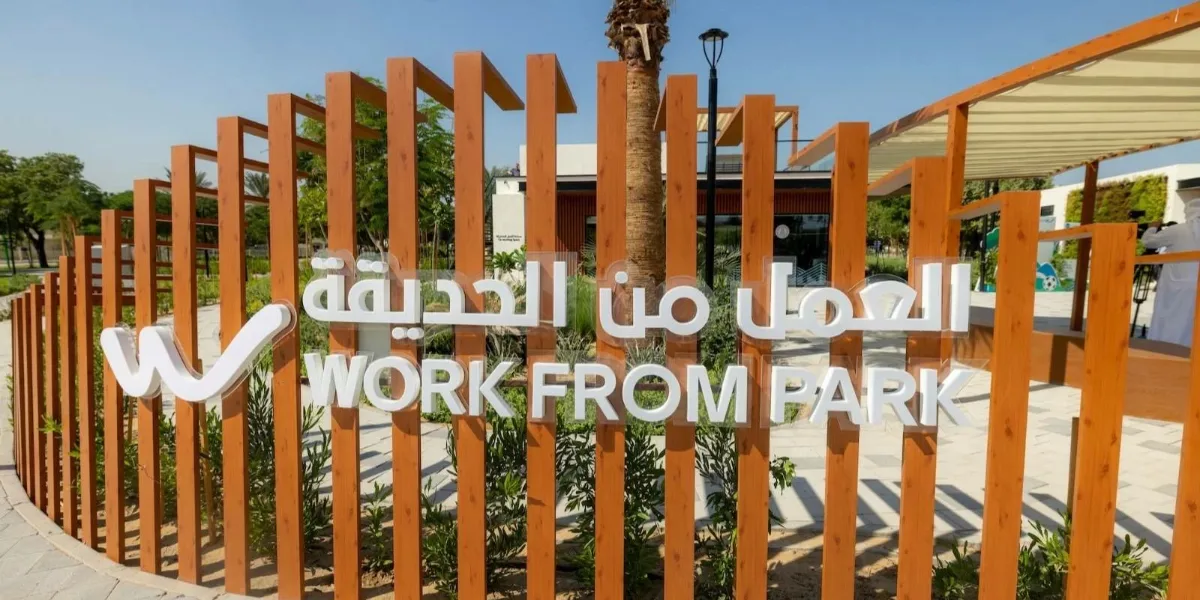
Dubai Just Opened a Dh50/Day Park Office. Here Is What That Actually Means for Where You Work.
Dubai Municipality launched Work from Park at Al Barsha Pond Park on November 2, 2026. Dh50/day, operated by Letswork, part of the Dubai 2040 Master Plan. Full breakdown, WiFi…
9 November 2026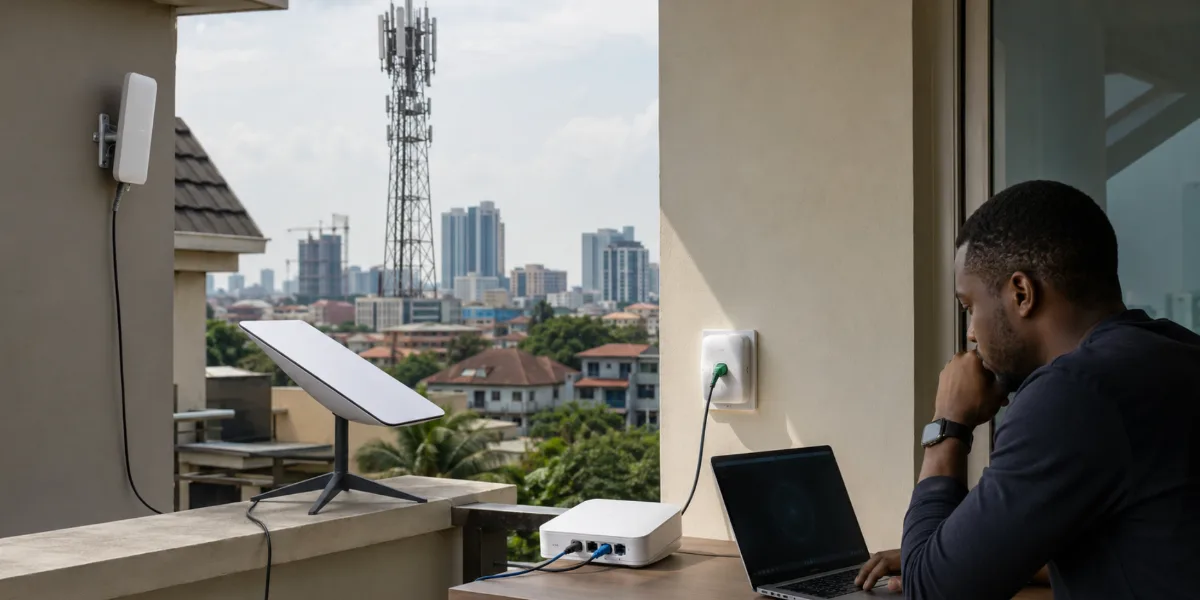
Lagos Coworking and WiFi in 2026: What Nigeria’s Fiber Rollout Actually Means for Remote Workers
Nigeria’s 90,000km fiber network is live and funded. Here is what that actually means for remote workers in Lagos in 2026, which neighborhoods deliver, and what to ask every space…
27 October 2026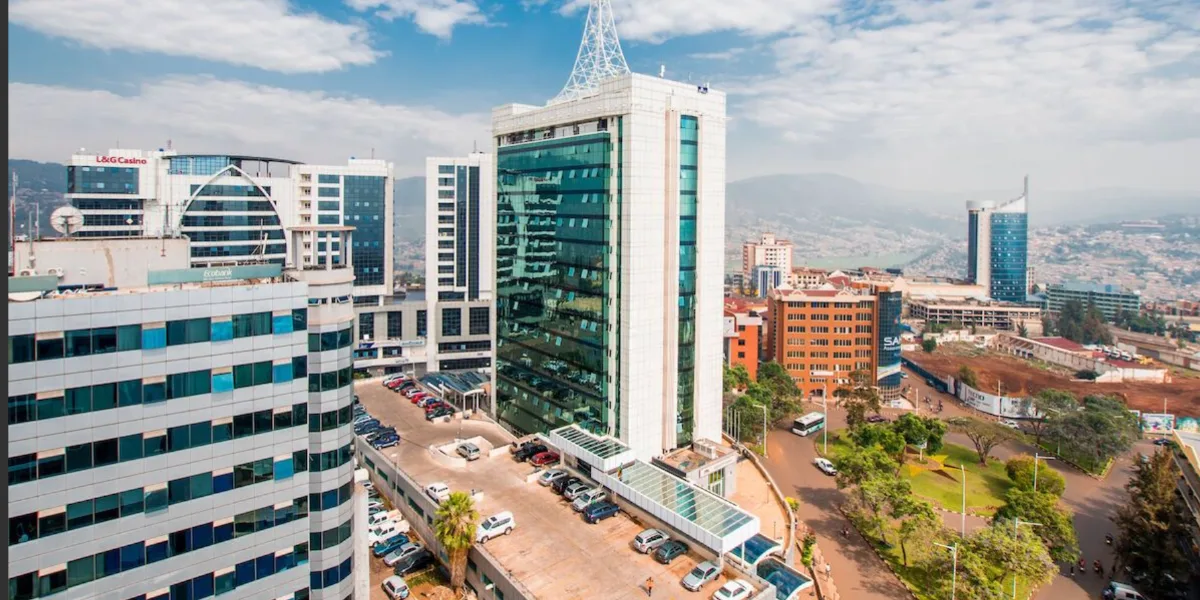
What the Internet in Kigali Actually Looks Like in 2026
Nomad sites quote 3 Mbps for Kigali. Ookla’s verified data puts Rwanda’s average at 40.4 Mbps, up 32% in a year. Here is what remote work in Kigali actually looks like in 2026.
22 October 2026