Guide
We Tested Remote Work Across 6 African Cities. Here Is What Actually Works.
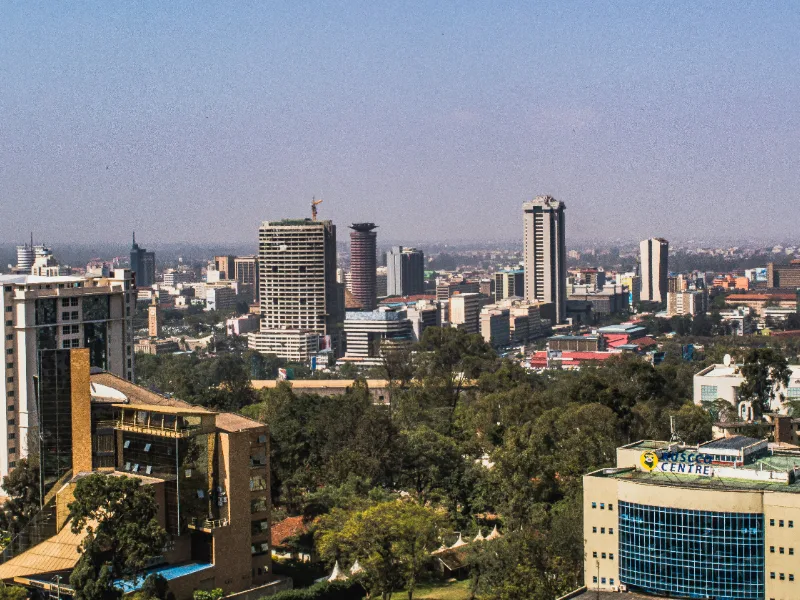
Africa has over 500 verified coworking spaces across the continent, six countries now offer dedicated digital nomad visas, and monthly living costs for remote workers start as low as $500 in cities where the WiFi actually holds up on a video call. This is not the continent most remote workers picture, and that gap between perception and reality is exactly the opportunity. Whether you are considering your first month in Cape Town, planning a quarter in Nairobi, or curious whether Lagos or Kigali fits your work style better, this is the practical breakdown of what remote work in Africa actually looks like in 2026. At Zenvivas, we connect digital nomads and remote professionals with verified workspaces and local communities across Africa and the Middle East, and we have tested the connectivity, the coworking infrastructure, and the daily realities across every city on our platform so you do not have to guess.
Internet: What You Are Actually Working With
The first question every remote worker asks about Africa is whether the internet works. The honest answer: it depends entirely on the city and the neighbourhood.
CAPE TOWN delivers 100 to 200 Mbps fibre in SEA POINT, GARDENS, GREEN POINT, and WOODSTOCK. This is on par with most European cities. NAIROBI ranges from 40 to 150 Mbps in WESTLANDS, KILIMANI, and GIGIRI, with fibre expanding fast since Kenya's infrastructure push. MARRAKECH surprises most people: 50 to 300 Mbps in GUELIZ, though older riads in the MEDINA can be patchy. KIGALI runs 30 to 100 Mbps on fibre, reliable but not fast. LAGOS is inconsistent: 20 to 80 Mbps in LEKKI and IKOYI when the fibre works, but power outages knock out base stations regularly.
The rule across Africa: never depend on a single connection. Every serious remote worker here carries a backup. An Airalo Africa eSIM covers 36 countries and costs $41 for 5GB over 30 days, enough for hotspot backup during outages. Buy a local SIM on arrival too: MTN, Safaricom, or Vodacom data bundles cost $5 to $15 for 5 to 10GB depending on the country, and local 4G often outperforms hotel WiFi.
For coworking, the spaces with generator and inverter backup are the ones worth paying for. In LAGOS, that is non-negotiable. In CAPE TOWN and NAIROBI, it matters less (power is more reliable) but still ask before you commit to a monthly desk.
Coworking: 500+ Spaces and Counting
Africa surpassed 500 verified coworking spaces in 2025, and the number keeps growing. LAGOS leads with 120 spaces, followed by NAIROBI (94), CAIRO (85), JOHANNESBURG (67), CAPE TOWN (64), and CASABLANCA (42). International operators like Regus have expanded into LAGOS, DAKAR, and CASABLANCA, while Africa-focused networks like Impact Hub and Seedspace operate in KIGALI, ABIDJAN, and NAIROBI.
Day pass prices range from $5 to $15 across most African cities. Monthly dedicated desks run $50 to $200. For comparison, a comparable desk in Lisbon or Bali costs $150 to $350/month. The price gap is real, and the quality at the top end (WORKSHOP17 in Cape Town, NAIROBI GARAGE, NORRSKEN HOUSE in Kigali) matches international standards.
What to check before committing: backup power (generator plus inverter, not just one), internet speed at the desk (ask for a speed test, not the marketed number), air conditioning (critical in LAGOS and ACCRA), and whether the community runs events. The best coworking spaces in Africa are not just desks; they are your entry point into the local tech and business scene.
Visas: Six Countries That Want You Here
Six African countries now offer formal remote work or digital nomad visas:
MAURITIUS (Premium Travel Visa): 12 months, extendable. Income requirement: $1,500/month. Application free. The most established programme on the continent, with tax exemption if you stay under 183 days.
SOUTH AFRICA (Remote Work Visa): Up to 1 year, extendable to 3 more years. Income requirement: roughly $37,000/year. The highest income bar in Africa, but the longest potential stay.
KENYA (Class N Digital Nomad Permit): Up to 12 months, renewable. Income requirement: $24,000/year. Fee: $100 to $200. Operational since late 2024.
NAMIBIA (Digital Nomad Visa): 6 months, single entry. Income requirement: $2,000/month. Fee: $62 on arrival. Windhoek is small but growing as a base.
CAPE VERDE (Remote Working Programme): 6 months, one renewal. Income requirement: roughly $1,620 for the full six months. The lowest financial bar on the list.
SEYCHELLES (Workation Retreat Programme): Up to 12 months. No strict minimum income, but $6,000/month recommended for comfortable island living.
For countries without a nomad visa (NIGERIA, GHANA, MOROCCO, EGYPT, RWANDA), most nationalities can enter on tourist visas ranging from 30 to 90 days. Check requirements for your passport before booking. Nigeria's visa process is among the most complex; plan at least 4 weeks ahead.
Safety: Honest Neighbourhood-Level Guidance
Africa is a continent of 54 countries, and treating "safety in Africa" as a single question makes about as much sense as asking "is Europe safe?" The answer is neighbourhood-specific, not continent-wide.
The cities where most remote workers base themselves (CAPE TOWN, NAIROBI, KIGALI, MARRAKECH, ACCRA) are safe in the right neighbourhoods with standard urban precautions. KIGALI is among the safest cities on the continent for solo travellers and women. CAPE TOWN requires more awareness: SEA POINT and GARDENS are safe; petty theft and car break-ins happen in tourist-heavy areas. NAIROBI's WESTLANDS and KILIMANI are fine; avoid walking alone at night in unfamiliar areas. LAGOS requires the most street awareness: stick to LEKKI, IKOYI, and VICTORIA ISLAND, hire a driver, and avoid MUSHIN and AJEGUNLE after dark.
Across the continent: use registered ride-hailing (Bolt and Uber operate in most major African cities), keep expensive electronics out of sight in crowded areas, and get comprehensive health insurance that includes international medical evacuation. We recommend SafetyWing ($45/month for nomad insurance covering 180+ countries) as a starting point.
Health: What to Sort Before You Land
Private healthcare is the realistic option for expat remote workers in every African city. Public systems are underfunded and understaffed across the continent, with a few exceptions (MAURITIUS and SOUTH AFRICA have better public infrastructure than most).
Before arriving: check vaccination requirements with a travel health clinic. Yellow fever vaccination is mandatory for entry into several West African countries (NIGERIA, GHANA, SENEGAL). Hepatitis A and B, typhoid, and malaria prophylaxis are recommended for most Sub-Saharan destinations. Carry a basic medical kit including rehydration salts, insect repellent with DEET, and any prescription medications you need (pharmacies in smaller cities may not stock international brands).
Health insurance with evacuation cover is not optional. For anything beyond basic care, some remote workers fly to NAIROBI (the medical hub of East Africa), CAPE TOWN (best hospitals on the continent), or their home country. Budget $45 to $200/month depending on your coverage level and age.
Power: The Variable Nobody Mentions
Electricity reliability is the single biggest difference between remote work in Africa and remote work in Southeast Asia or Europe. It is also the variable most online guides skip entirely.
CAPE TOWN: load shedding (scheduled outages) has eased significantly since 2024, but it still happens. Most coworking spaces have generators. NAIROBI: power is generally reliable in WESTLANDS and KILIMANI, with brief outages a few times a month. KIGALI: stable grid, one of the most reliable in East Africa. LAGOS: power outages are daily. Every serious workspace and residence runs on a generator-inverter system. Budget for it. ACCRA: "dumsor" (load shedding) cycles occur periodically. Coworking spaces with backup power are essential.
The practical fix: a good power bank for your laptop (20,000mAh minimum), a coworking space with generator backup, and a local SIM with data so you can hotspot when WiFi drops with the power. These three items solve 90% of power-related work disruptions.
What It Costs: City-by-City Reality
Monthly budgets for a comfortable remote work lifestyle in 2026:
CAPE TOWN: $1,500 to $2,200 (studio rent $700 to $1,450, coworking $100 to $200, food and transport $400 to $600)
NAIROBI: $1,300 to $1,800 (studio rent $600 to $1,200, coworking $80 to $150, food and transport $350 to $500)
MARRAKECH: $1,200 to $1,700 (riad room or apartment $450 to $900, coworking $80 to $150, food and transport $300 to $500)
LAGOS: $1,200 to $2,000 (studio rent $400 to $700, coworking $50 to $150, food and transport $300 to $500, plus power costs $100 to $200)
KIGALI: $1,200 to $1,600 (furnished apartment $500 to $1,000, coworking $80 to $150, food and transport $300 to $450)
ACCRA: $1,500 to $2,000 (studio rent $700 to $1,300, coworking $80 to $150, food and transport $400 to $600)
DAHAB (Egypt): $1,000 to $1,200 (studio $250 to $600, coworking $50 to $100, food and transport $300 to $400)
CAIRO: $1,300 to $1,800 (furnished apartment $450 to $900, coworking $80 to $150, food and transport $400 to $500)
For comparison, comparable lifestyles in Lisbon cost $2,500 to $3,500/month, Bali $1,200 to $2,000, and Bangkok $1,000 to $1,800. Africa's sweet spot is the combination of lower costs AND professional coworking infrastructure that did not exist five years ago.
QUICK FACTS
Total coworking spaces in Africa: 500+ verified (2025), led by LAGOS (120), NAIROBI (94), CAIRO (85)
Countries with digital nomad visas: 6 (Mauritius, South Africa, Kenya, Namibia, Cape Verde, Seychelles)
Lowest entry cost: Cape Verde ($1,620 for 6 months) or DAHAB, Egypt (~$1,000/month total budget)
Best internet: CAPE TOWN (100 to 200 Mbps fibre), MARRAKECH GUELIZ (50 to 300 Mbps)
eSIM backup: Airalo Africa eSIM covers 36 countries, $41 for 5GB / 30 days
Coworking day pass: $5 to $15 across most African cities
Nomad insurance: SafetyWing from $45/month covering 180+ countries
Best for: Remote workers who want lower costs than Europe, growing tech communities, and cities where your budget goes 2 to 3x further
Watch out for: Power reliability varies dramatically by city. Always confirm backup power (generator plus inverter) at your coworking space and accommodation before committing. LAGOS and ACCRA require this check; CAPE TOWN and KIGALI are more reliable but not immune.
Last updated: November 2026
FAQ
Which African countries offer digital nomad visas in 2026?
Six African countries have formal remote work visa programmes as of November 2026: MAURITIUS (Premium Travel Visa, 12 months, $1,500/month income requirement, free to apply), SOUTH AFRICA (Remote Work Visa, up to 4 years, ~$37,000/year income requirement), KENYA (Class N Permit, 12 months, $24,000/year, $100 to $200 fee), NAMIBIA (6 months, $2,000/month, $62 fee), CAPE VERDE (6 months, $1,620 total income requirement), and SEYCHELLES (12 months, no strict minimum). Mauritius has the most established programme with tax exemption under 183 days. Cape Verde has the lowest financial barrier to entry.
How much does it cost to live and work remotely in Africa in 2026?
Monthly budgets for a comfortable remote work lifestyle range from $1,000 to $2,200 depending on the city. DAHAB, Egypt is the cheapest at roughly $1,000/month. KIGALI and MARRAKECH sit around $1,200 to $1,700. NAIROBI runs $1,300 to $1,800. CAPE TOWN and ACCRA are at the higher end, $1,500 to $2,200. LAGOS ranges widely ($1,200 to $2,000) because power costs add $100 to $200/month that other cities do not have. All figures include rent, coworking, food, transport, and utilities as of November 2026.
Is internet in Africa reliable enough for remote work?
Yes, in the right cities and neighbourhoods. CAPE TOWN delivers 100 to 200 Mbps fibre in SEA POINT and GARDENS. NAIROBI offers 40 to 150 Mbps in WESTLANDS and KILIMANI. MARRAKECH hits 50 to 300 Mbps in GUELIZ. KIGALI runs 30 to 100 Mbps on fibre. The key rule: always carry a backup connection. An Airalo Africa eSIM ($41 for 5GB / 30 days, covering 36 countries) plus a local SIM ($5 to $15 for 5 to 10GB) means you are never stuck on a single connection. Coworking spaces with generator backup keep you online during power cuts, which is critical in LAGOS and ACCRA.
How does Africa compare to Southeast Asia for remote work in 2026?
Africa's monthly costs ($1,000 to $2,200) are comparable to Bali ($1,200 to $2,000) and Bangkok ($1,000 to $1,800), but lower than Lisbon ($2,500 to $3,500). Africa's advantages: six countries with formal nomad visas (more than Southeast Asia had until recently), a growing tech scene with 500+ coworking spaces, and significantly less remote-worker saturation than Bali or Chiang Mai. The trade-offs: power reliability is lower in West Africa (LAGOS, ACCRA) than anywhere in Southeast Asia, and international flight connections are fewer and pricier. For internet, top African cities match Southeast Asian standards. For community, CAPE TOWN and NAIROBI rival any nomad hub globally. All comparisons current as of November 2026.
What gear should remote workers bring to Africa?
A power bank (20,000mAh minimum for laptop charging), a universal power adapter (plug types vary by country: Type G in KENYA, NIGERIA, GHANA; Type C/M in SOUTH AFRICA; Types C/E in MOROCCO and SENEGAL), and a phone that supports eSIM for instant data backup. An Airalo Africa eSIM covers 36 countries from $11. Noise-cancelling headphones matter more here than in quieter Asian hubs because African coworking spaces and cafes are energetic. A lightweight rain jacket if visiting during any city's wet season. Leave the portable WiFi hotspot at home; local SIMs and eSIMs outperform dedicated hotspot devices across the continent at a fraction of the cost.
Posts in this guide
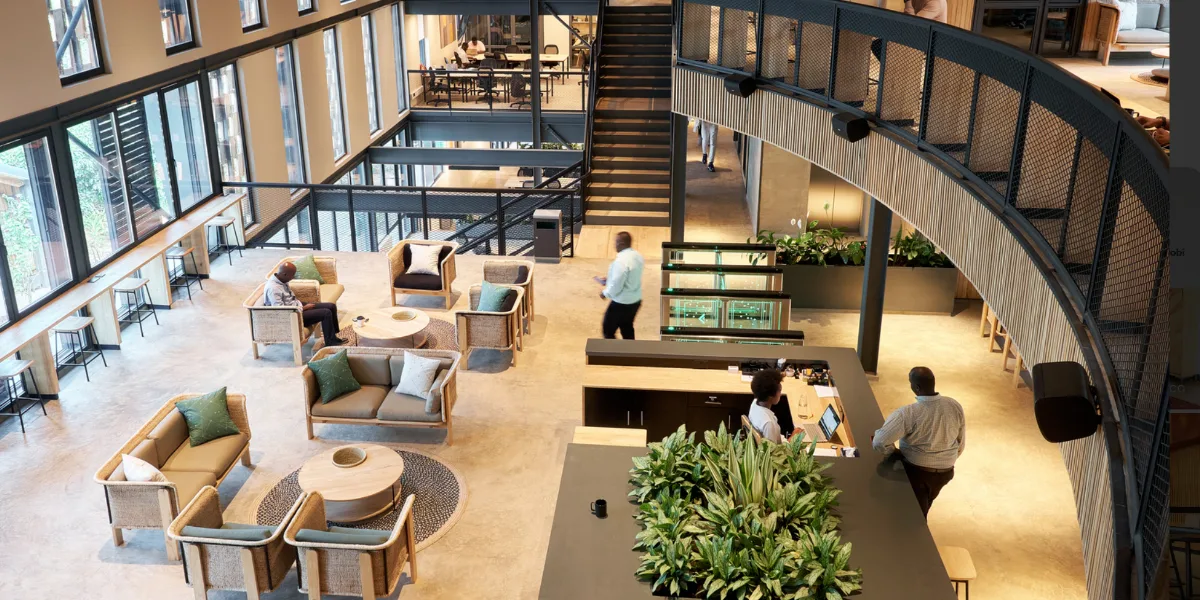
East Africa Has Three of the Best Nomad Bases on the Continent.
Kenya launched it. Rwanda made it easy. Tanzania runs on tourist visas. The honest East Africa digital nomad visa comparison for 2026 — costs, income requirements, and which fits…
18 November 2026
AI Layoffs 2026: What New Digital Nomads Need to Know
240,868 tech workers laid off in 2026. 36% tied to AI. Here is the practical guide for newly remote professionals considering the nomad path.
11 November 2026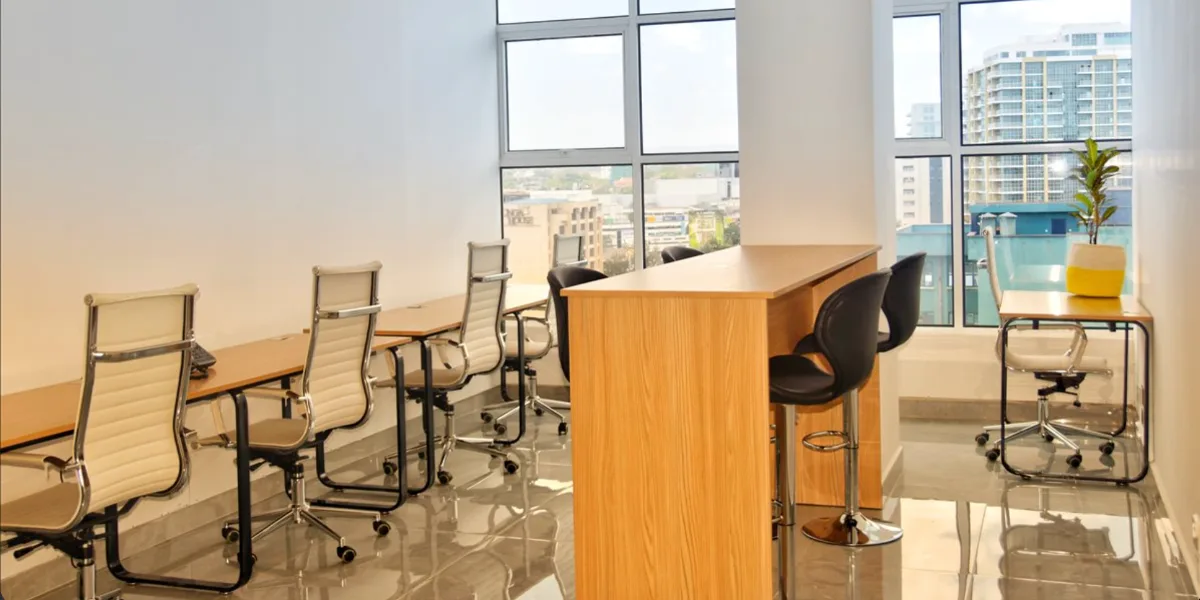
Kofisi Nairobi Closed Karen and Upper Hill in 2026. The Best Alternatives Right Now.
Kofisi shut down its Karen and Upper Hill coworking locations in January 2026 after a Ksh 417M loss. If you are searching for a Nairobi coworking alternative right now, here is…
10 November 2026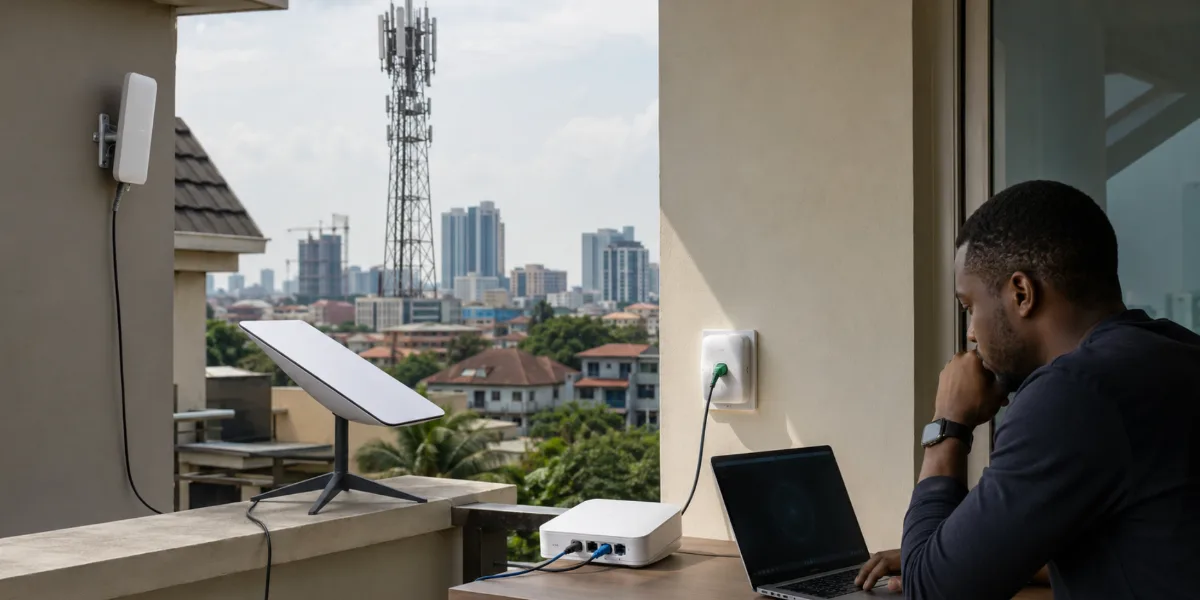
Lagos Coworking and WiFi in 2026: What Nigeria’s Fiber Rollout Actually Means for Remote Workers
Nigeria’s 90,000km fiber network is live and funded. Here is what that actually means for remote workers in Lagos in 2026, which neighborhoods deliver, and what to ask every space…
27 October 2026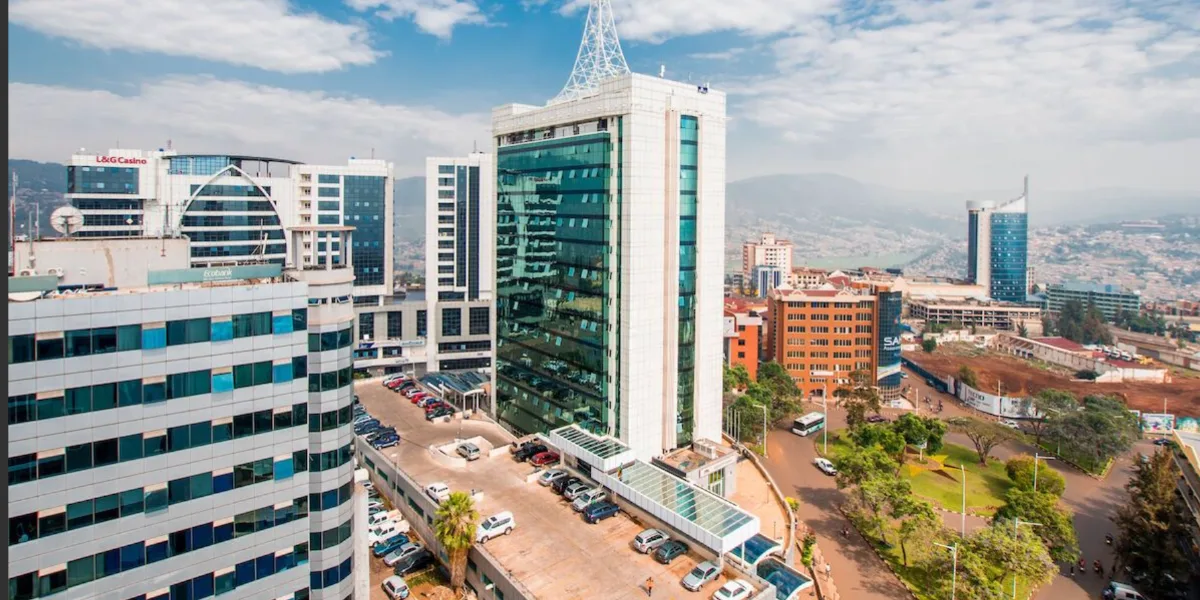
What the Internet in Kigali Actually Looks Like in 2026
Nomad sites quote 3 Mbps for Kigali. Ookla’s verified data puts Rwanda’s average at 40.4 Mbps, up 32% in a year. Here is what remote work in Kigali actually looks like in 2026.
22 October 2026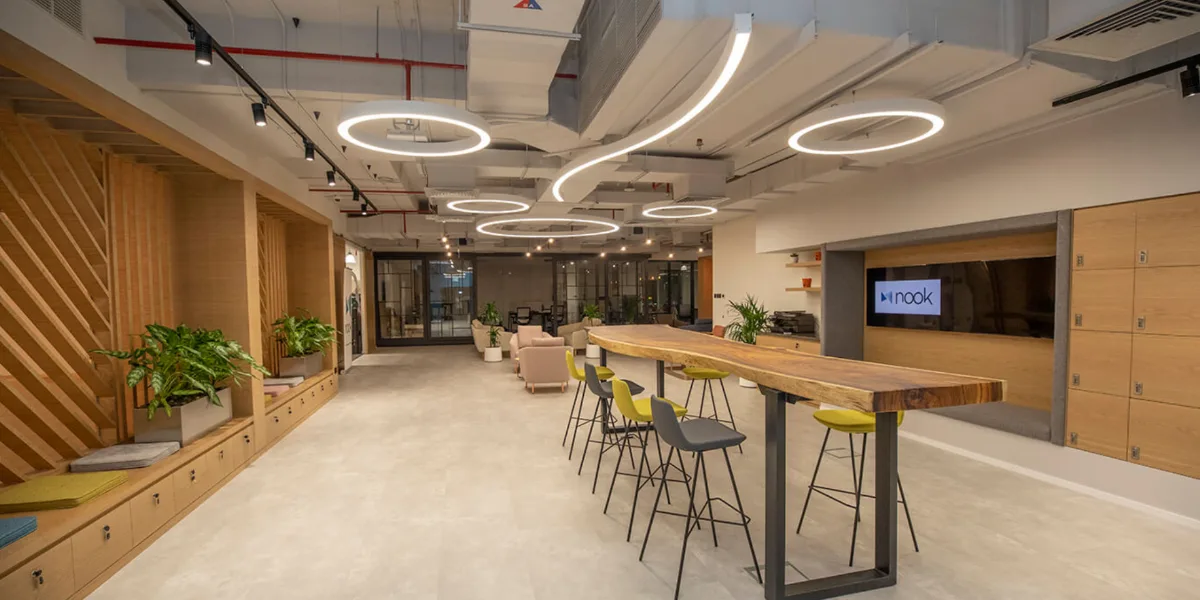
Dubai for Remote Workers: No Tax, Fast Internet, Real Costs 2026
Dubai’s expensive reputation is partly earned and mostly outdated. NOOK in JLT costs AED 1,000 a month. Here is what we found when we mapped the city for Zenvivas. Slug…
13 October 2026