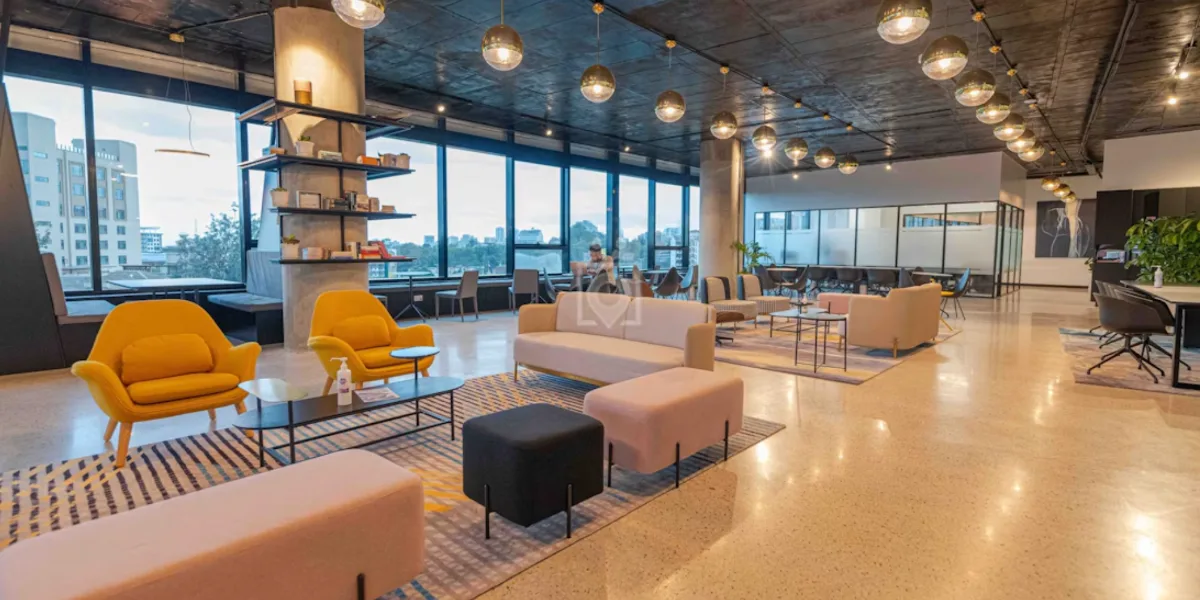
Remote Work Life in Nairobi
Nairobi is the most developed remote work city in sub-Saharan Africa, and the infrastructure proves it. Whether you are looking for a coworking space with backup generators and fiber internet, a garden cafe where you can take calls between coffee refills, or just a reliable daily routine that keeps you productive across time zones, this is what you need to know about remote work life in Nairobi. At Zenvivas, we connect digital nomads and remote professionals with verified workspaces and local communities across Africa and the Middle East, and Nairobi’s deep bench of coworking options is one of the reasons this city made our list. Where to Work: Coworking Spaces That Actually Deliver Nairobi has more coworking spaces per capita than any other city in East Africa, and the quality gap between them is wide. We looked at pricing, power backup, WiFi reliability, and location to sort the ones worth your money from the ones running on promises. NAIROBI GARAGE is the default for most remote workers, and for good reason. Four locations across WESTLANDS, SPRING VALLEY, KILIMANI, and KAREN. Hot desks start at KES 11,000 ($85) per month with 24/7 access, high-speed fiber, tea and coffee included. Dedicated desks run KES 25,000 ($192) per month with 10 hours of meeting room time and secure storage. Day passes are available but prices are unlisted on their site, so ask at reception. The WESTLANDS branch at Delta Corner is the busiest and best connected by public transport. KOFISI operates across WESTLANDS, KAREN, RIVERSIDE, and UPPER HILL. Day passes run approximately KES 3,000 to 4,000 ($23 to $31). They position themselves as premium, and the fit-out reflects it. Best for video calls and client-facing work where your background matters. IKIGAI has locations in WESTLANDS, RIVERSIDE, and LAVINGTON. The standout feature is the garden workspace. If you find traditional offices draining, working under trees with natural light and good coffee is a genuine productivity shift. Pricing is mid-range for the Nairobi market. THE HIVE and similar community-focused spaces start around KES 5,000 ($38) per month for basic hot desk access. Budget-friendly, but check the power backup situation before committing. Not all budget spaces have generators. For the ultimate budget option, KENYA NATIONAL LIBRARY SERVICE (KNLS) on NGONG ROAD offers free WiFi and quiet study space. It is not a coworking space, but it works for focused solo work when you do not need calls or meetings. The Cafe Circuit: Nairobi’s Unofficial Coworking Network Nairobi’s cafe-as-workspace culture is real and growing. A 2026 article in The Star called cafes “Nairobi’s hottest workspaces,” and the trend is strongest in KILIMANI and WESTLANDS. KESH KESH COFFEE ROASTERS in KILIMANI is a favorite among local freelancers. Single-origin Kenyan coffee, reliable WiFi, and nobody rushes you out. PALLET CAFE in LAVINGTON draws a creative crowd and is quieter than the Kilimani spots. LAVA LATTE on STATE HOUSE ROAD doubles as a community space with book clubs and quiz nights, which makes it good for meeting people outside the tech bubble. RIVER CAFE sits inside KARURA FOREST, and while the WiFi is not coworking-grade, the setting is unmatched for creative work or decompressing after a heavy sprint. A cappuccino runs about KES 350 to 500 ($2.70 to $3.85). Budget KES 500 to 800 for a cafe session with a drink and snack. That is cheaper than most day passes. The Power Question: How to Protect Your Workday This is the honest part. Kenya Power averages 8.39 hours of outages per month across Nairobi, with about 3.52 interruptions per month. That is real downtime if you work from a home apartment without backup. Professional coworking spaces have solved this. Nearly all of them run backup generators and UPS (uninterruptible power supply) systems, so fiber connections keep running through outages. This is the single strongest argument for paying for a coworking membership rather than working from home, at least for your first month until you understand your neighborhood’s power patterns. If you work from home, invest in a portable UPS for your router and laptop. Units with 4 to 6 hours of backup for a router cost KES 5,000 to 15,000 ($38 to $115) at electronics shops in LUTHULI AVENUE or on Jumia Kenya. Your phone hotspot on Safaricom 4G is your failsafe. As we noted in our connectivity guide, Airtel’s 4GB daily bundle at KES 99 ($0.75) is the cheapest backup data plan. Scheduled outages are published by Kenya Power (KPLC) in daily newspapers and on their social media. Check every evening for the next day’s schedule. Unscheduled outages are the ones that catch you off guard, and they cluster in rainy seasons (March through May, October through December). Time Zone Advantage: Who You Can Work With From Nairobi Nairobi runs on EAT (UTC+3), which is one of the best time zones for remote workers serving multiple markets. Your morning overlaps with European business hours almost perfectly. You can take London calls from 10am with zero discomfort. New York opens at 4pm Nairobi time, giving you a solid 3 to 4 hour overlap if you extend your day slightly. Dubai is just one hour ahead. For US West Coast clients (UTC-8), the overlap is tighter. San Francisco’s 9am is your 8pm. This works if you do not mind evening calls a few times per week, but it is not sustainable daily. If most of your clients are Pacific time, Cape Town (UTC+2) or Accra (UTC+0) might serve you better. The practical move: block your deep work for Nairobi mornings (7am to 12pm) before any time zone pulls you into calls. Most coworking spaces are quiet before 9am, and the cafes in KILIMANI open by 7am. Building a Productive Routine in Nairobi Nairobi’s traffic is brutal during rush hour (7am to 9am and 5pm to 7:30pm). If your coworking space is more than 3 kilometers from your apartment, you will lose 45 minutes to an hour each way during peak times. The fix is simple: live where you work. KILIMANI puts you walking distance to NAIROBI GARAGE, KESH KESH, and iHUB. WESTLANDS puts you near NAIROBI GARAGE’s flagship, IKIGAI, and THE FOUNDRY. Bolt and InDrive are your ride-hailing options for days when you need to cross the city. Bolt is cheaper and more reliable. Budget KES 300 to 700 ($2.30 to $5.40) for rides within the KILIMANI to WESTLANDS corridor. Meal delivery through Glovo and Uber Eats works well in KILIMANI, WESTLANDS, and LAVINGTON. A delivered lunch runs KES 500 to 1,200 ($3.85 to $9.25). Many coworking spaces have kitchens or on-site cafes, so packing lunch is easy if you shop at NAIVAS or CARREFOUR on weekends. Nairobi vs. Lagos: Which City Works Better for Remote Professionals? Both are major African tech hubs, but the day-to-day experience is different. Nairobi’s power grid, while imperfect, is significantly more stable than Lagos, where generators are not a backup but a primary power source. Nairobi’s fiber internet is faster and cheaper. Coworking prices are comparable, but Nairobi’s spaces tend to have better power infrastructure. Lagos wins on energy and nightlife. The social scene is bigger, louder, and more connected to the global music and media industry. If your work involves content creation or entertainment, Lagos has a pull Nairobi cannot match. For pure productivity and infrastructure reliability, Nairobi has the edge. Neighborhood Cheat Sheet KILIMANI — The remote worker’s default neighborhood. Walking distance to NAIROBI GARAGE (Pinetree Plaza), iHUB, KESH KESH cafe, and multiple fiber-connected apartments. Best balance of workspace access, dining, and livability. WESTLANDS — Highest concentration of coworking spaces (NAIROBI GARAGE flagship, IKIGAI, THE FOUNDRY, KOFISI). More corporate energy. Best if you need variety and do not mind higher rent. LAVINGTON — Quieter, greener, with IKIGAI’s garden workspace and PALLET CAFE. Better for creatives and writers who need fewer distractions. KOFISI Karen is a short drive. RIVERSIDE — KINU and BARAZA MEDIA LAB sit here. More event and workshop-oriented spaces. Good for media professionals and community builders. KAREN — Suburban feel with NAIROBI GARAGE and KOFISI branches. Peaceful but isolated. Best for long-term residents who drive and want space over convenience. UPPER HILL — Nairobi’s financial district. KOFISI has a branch here. Quiet after 6pm. Best for finance and consulting professionals who want proximity to corporate offices. QUICK FACTS Coworking hot desk: KES 5,000 to 15,000/month ($38 to $115) Coworking dedicated desk: KES 12,000 to 25,000/month ($92 to $192) Day pass range: KES 500 to 4,000 ($3.85 to $31) Cafe work session (drink + snack): KES 500 to 800 ($3.85 to $6.15) Power outages: ~8.39 hours/month average, 3.52 interruptions/month Time zone: EAT (UTC+3), strong overlap with Europe and Middle East Best coworking for value: NAIROBI GARAGE hot desk at KES 11,000/month Best cafe for focus: KESH KESH COFFEE ROASTERS, Kilimani Best for: Remote workers on European or Middle Eastern time zones who want reliable infrastructure at emerging-market prices Watch out for: Power outages at home apartments without generator backup. Always have a mobile data failsafe. Last updated: November 2026 FAQ What are the best coworking spaces in Nairobi for digital nomads in 2026?NAIROBI GARAGE is the most established option with four locations (WESTLANDS, SPRING VALLEY, KILIMANI, KAREN) and hot desks starting at KES 11,000 ($85) per month with 24/7 access and backup power. KOFISI operates premium spaces across WESTLANDS, KAREN, RIVERSIDE, and UPPER HILL with day passes around KES 3,000 to 4,000. IKIGAI in WESTLANDS and LAVINGTON offers garden workspaces that stand out from typical office environments. Budget options like THE HIVE start around KES 5,000 ($38) per month. How reliable is electricity in Nairobi for remote workers in 2026?Nairobi averages 8.39 hours of power outages per month with about 3.52 interruptions per month, according to EPRA data. Professional coworking spaces have backup generators and UPS systems, so work continues through outages. If you work from home, invest in a portable UPS (KES 5,000 to 15,000 from LUTHULI AVENUE electronics shops) and keep a mobile data backup. Kenya Power publishes scheduled outage notices daily. What time zone is Nairobi and how does it work for remote teams?Nairobi runs on EAT (UTC+3), which overlaps almost perfectly with European business hours and is one hour behind Dubai (UTC+4). New York’s 9am is 4pm in Nairobi, giving 3 to 4 hours of overlap with US East Coast. US West Coast overlap is tighter, with San Francisco’s 9am hitting 8pm in Nairobi. For remote workers serving European or Middle Eastern clients, Nairobi’s time zone is one of the best in Africa. Is Nairobi or Lagos better for remote work in 2026?Nairobi has more reliable power, faster and cheaper fiber internet, and better-equipped coworking spaces than Lagos. Nairobi also has a lower cost of living for comparable quality. Lagos wins on social energy, nightlife, and connections to the global entertainment and media industry. For pure productivity and infrastructure, Nairobi has the edge. For networking in media, music, or content creation, Lagos offers more opportunities. Coworking prices are comparable between the two cities. Can I work from cafes in Nairobi?Yes, and many remote workers do. KESH KESH COFFEE ROASTERS in KILIMANI, PALLET CAFE in LAVINGTON, and LAVA LATTE on STATE HOUSE ROAD are popular choices with reliable WiFi and remote-worker-friendly attitudes. A cafe session with coffee and a snack costs KES 500 to 800 ($3.85 to $6.15), which is cheaper than most coworking day passes. The main limitation is power: cafes do not always have generator backup, so keep your laptop charged and have a mobile hotspot ready.
1 post