Best Coworking Spaces in Nairobi With Backup Power 2026
Nairobi’s grid went down 3 times this week. Here’s which coworking spaces in Westlands, Kilimani, Karen and Riverside keep running when KPLC doesn’t.
5 min readNairobi, Kenya
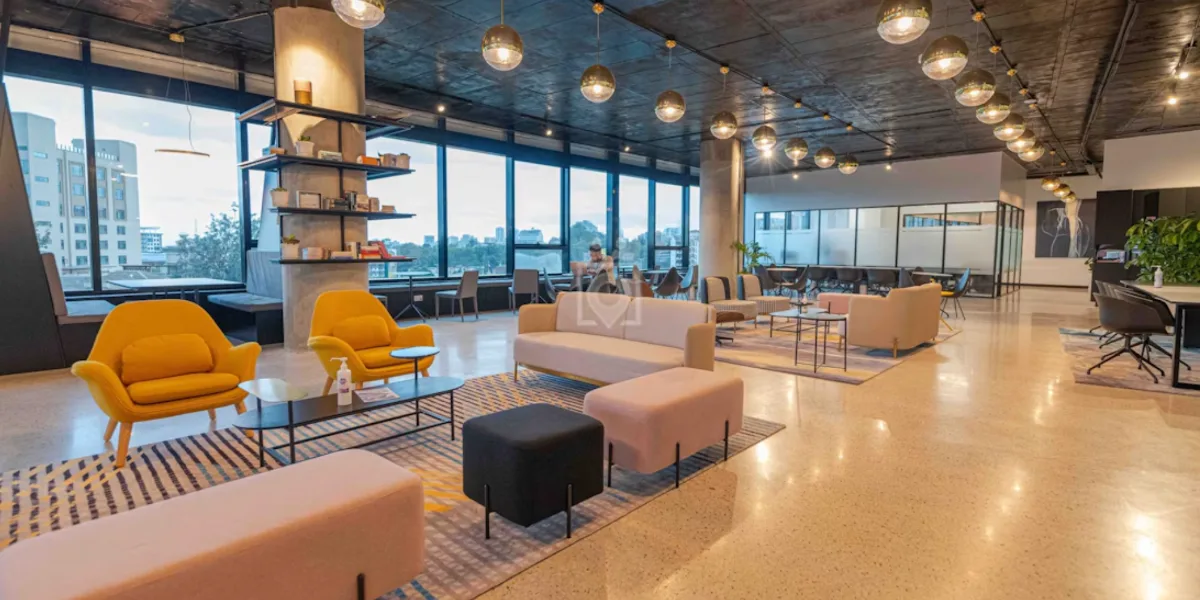
KPLC scheduled outages hit parts of Nairobi on November 10, 11, and 14, 2026. For anyone working from a home office, a café with no generator, or a hotel room, that’s three lost workdays in five. For anyone working from a professional coworking space in NAIROBI? Barely a blip.
Nairobi has quietly become one of Africa’s most infrastructure-aware coworking cities. Virtually every professional coworking space in the city runs both a backup generator and a UPS system. That’s not a marketing claim — it’s a practical response to Kenya’s grid reality that the ecosystem built over years, and it’s exactly why remote workers keep choosing NAIROBI over cities where the infrastructure conversation is still theoretical.
This guide covers what you need to know before you book a desk in NAIROBI in 2026: which spaces, which neighborhoods, what to pay, and what to ask before you sit down.
Last updated: November 2026
Why Power Reliability Matters More Than Speed Right Now
Most nomad guides rank coworking spaces by WiFi speed. Speed matters, but it assumes the power is on. NAIROBI’S grid undergoes regular maintenance shutdowns, most of them announced the night before. A space running 300 Mbps fiber with no backup generator is a 300 Mbps space until KPLC schedules a 6-hour maintenance window for your block.
The coworking spaces below all operate in permanent structures with verified backup power infrastructure. When the grid goes down, they keep running.
WESTLANDS: The Nomad Default
WESTLANDS is where most incoming remote workers land first, and for good reason. The neighborhood sits close to the city’s main commercial strip, has reliable road access, and hosts some of NAIROBI’S longest-running coworking operations.
Nairobi Garage at Delta Corner on General Mathenge Road has been a fixture in WESTLANDS since the ecosystem’s early days. It’s the kind of space where you’ll find early-stage founders, freelancers, and remote employees all in the same room. Hot desks run from KES 8,000 to KES 15,000 per month (approximately $62 to $115), and the space runs on generator backup. They have a second location in SPRING VALLEY at 19 General Mathenge Road if WESTLANDS is full.
Ikigai Nairobi at Peponi Road is a quieter, more design-focused option in WESTLANDS for people who need fewer distractions. Standing desks, strong WiFi, and a calmer atmosphere than the larger hubs.
KILIMANI: Established Ecosystem
iHub at Senteu Plaza in KILIMANI is one of Kenya’s most recognized tech community spaces. If you’re in Nairobi to connect with the local tech scene, not just work in a room, iHub is worth the trip across town. It operates as both a coworking space and a community hub.
KAREN and RIVERSIDE: If You Need More Stability
KOFISI runs two locations built for teams and serious long-term residents: KAREN on Karen Road and RIVERSIDE at 95 Riverside Drive. Both lean toward private offices and dedicated desks rather than casual hot desking. If you’re staying in NAIROBI for a month or more and need an environment that feels closer to a proper office, KOFISI is the step up. Pricing tends toward the KES 15,000 to KES 25,000 monthly range for dedicated desks (approximately $115 to $193).
UPPERHILL: The Business District Option
Nairobi UpperHill Co-Working Centre on Mara Road is the choice if your work involves meetings with Kenyan corporates, government, or financial services. UPPERHILL is NAIROBI’S business district equivalent. The coworking space here is functional rather than creative, but the location is a 10-minute drive from the CBD and extremely well connected.
Quick Facts
Best coworking for nomads new to Nairobi: Nairobi Garage WESTLANDS, from KES 8,000/month (~$62)
Best coworking for tech community: iHub KILIMANI, Senteu Plaza
Best for long stays: KOFISI KAREN or RIVERSIDE, from KES 15,000/month (~$115) for dedicated desk
Daily hot desk rate across the city: KES 500 to KES 1,500 (~$4 to $12)
Power backup: Backup generators + UPS standard across professional spaces
Internet: Fiber available across WESTLANDS, KILIMANI, KAREN, RIVERSIDE
Nearest Zenvivas city: Kigali, Rwanda — https://zenvivas.com/destinations/rwanda/kigali
Nomad visa: Kenya’s Digital Nomad Visa allows stays up to 12 months; apply at evisa.go.ke
Last updated: November 2026
FAQ
Which coworking spaces in Nairobi have backup power for KPLC outages?
Virtually all professional coworking spaces in NAIROBI operate with both backup generators and UPS systems. This is a practical response to Kenya Power’s regular maintenance schedules, which often affect residential and commercial areas with less than 24 hours’ notice. Nairobi Garage (WESTLANDS, KAREN, SPRING VALLEY), KOFISI (RIVERSIDE, KAREN), iHub (KILIMANI), and Nairobi UpperHill Co-Working Centre (UPPERHILL) all operate in permanent commercial buildings with power backup. When booking a day pass or desk, confirm generator backup directly with the space.
How much does coworking cost in Nairobi in 2026?
A daily hot desk pass in NAIROBI runs KES 500 to KES 1,500 (approximately $4 to $12). Monthly hot desk memberships range from KES 5,000 to KES 15,000 (approximately $38 to $115), depending on the space and neighborhood. Dedicated desks start around KES 12,000 to KES 25,000 per month (approximately $92 to $193). KOFISI and Nairobi Garage are the most consistent reference points for mid-range pricing. Private offices start at KES 25,000 per month ($193+). These figures reflect late 2026 rates; always confirm directly as pricing updates seasonally.
Is Nairobi better than Kigali for remote work in 2026?
NAIROBI and KIGALI serve different kinds of remote workers. NAIROBI is larger, more commercially developed, and better connected internationally, with more coworking options across a wider price range and a bigger local tech ecosystem. KIGALI is cleaner, faster to navigate, and has seen major infrastructure investment since 2023, but the coworking ecosystem is smaller and concentrated in KIMIHURURA and KACYIRU. If you need community, meetings, and variety, NAIROBI wins. If you need focus, safety, and a quieter environment, KIGALI is a serious alternative. Both cities are covered on Zenvivas at https://zenvivas.com/destinations/kenya/nairobi and https://zenvivas.com/destinations/rwanda/kigali.
What neighborhoods in Nairobi are best for digital nomads?
WESTLANDS is the most accessible starting point for new arrivals, with Nairobi Garage and Ikigai as the main coworking anchors and strong restaurant and accommodation options nearby. KILIMANI is the alternative hub with iHub and a denser café ecosystem. KAREN is quieter and more residential, suited to longer stays. RIVERSIDE DRIVE feels almost suburban, good for people who prefer a focused environment over street-level energy. UPPERHILL is strictly business-focused. For first-time nomads in NAIROBI, start in WESTLANDS and relocate once you understand the city’s geography.
Your CTAs
For nomads: NAIROBI spaces are on Zenvivas. Find your workspace before your flight lands — search by neighborhood, verify backup power, and book directly. Visit https://zenvivas.com/destinations/kenya/nairobi.
For space owners in NAIROBI: Nomads are searching for verified, reliable workspaces right now — particularly after this week’s grid interruptions. If your space has backup power, standby WiFi, and reliable infrastructure, that is exactly what incoming remote workers are searching for. List your space on Zenvivas at this stage at no cost and start appearing in those searches. Visit https://zenvivas.com.
Your workspace. Your stay. Your crew.
Keep reading
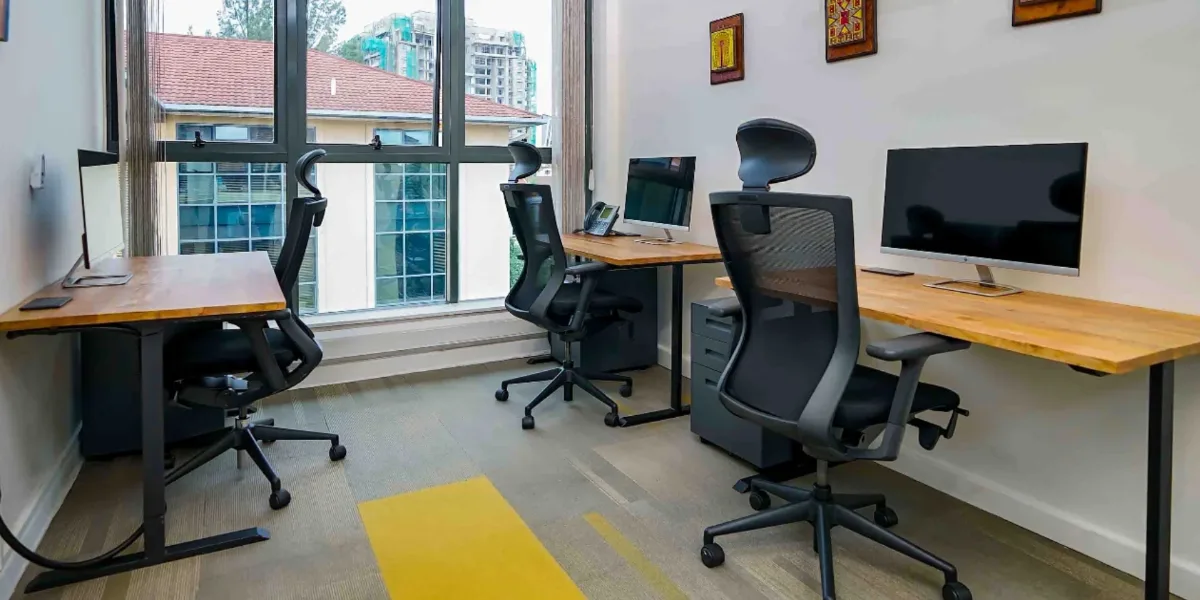
Best Coworking Spaces in Lusaka Zambia 2026
Two new coworking spaces opened in Lusaka in 2026. Full guide to Hive, QSP, Cairo Haus — prices in ZMW and USD, neighborhoods, what to know before you book.
13 November 2026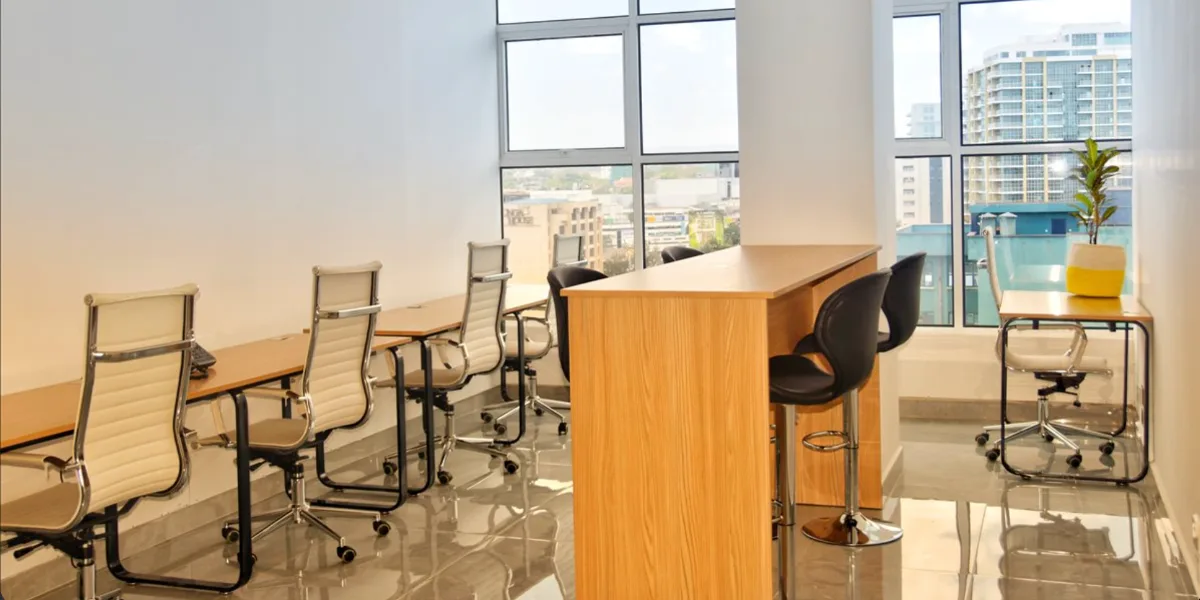
Kofisi Nairobi Closed Karen and Upper Hill in 2026. The Best Alternatives Right Now.
Kofisi shut down its Karen and Upper Hill coworking locations in January 2026 after a Ksh 417M loss. If you are searching for a Nairobi coworking alternative right now, here is…
10 November 2026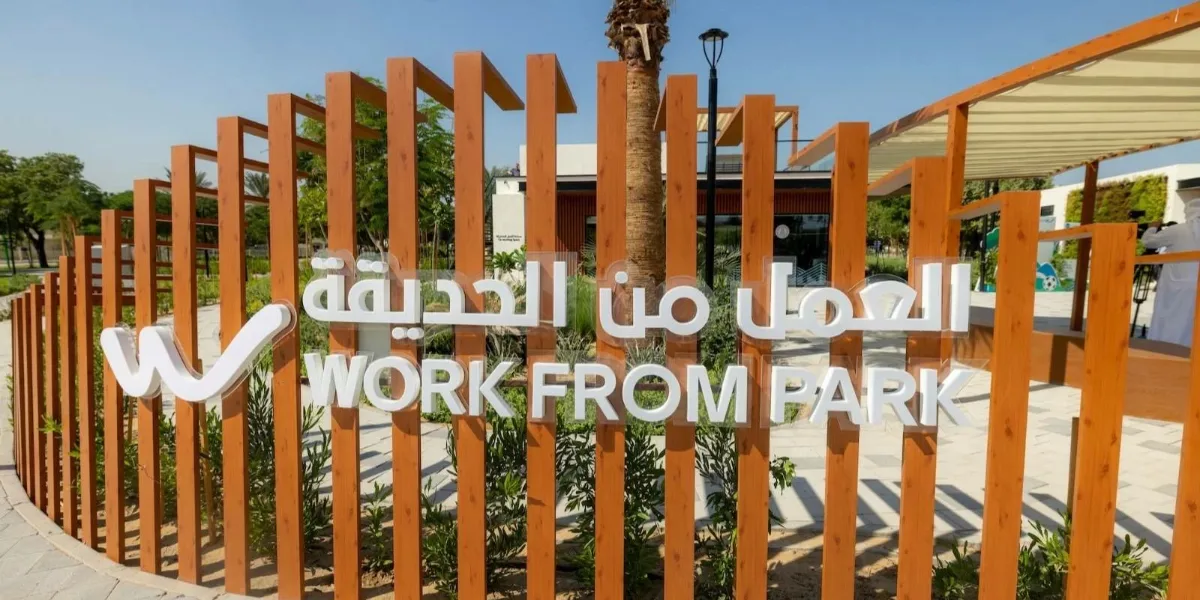
Dubai Just Opened a Dh50/Day Park Office. Here Is What That Actually Means for Where You Work.
Dubai Municipality launched Work from Park at Al Barsha Pond Park on November 2, 2026. Dh50/day, operated by Letswork, part of the Dubai 2040 Master Plan. Full breakdown, WiFi…
9 November 2026