Heading to Kigali for the Africa Fintech Summit? Here’s Where to Work
The Africa Fintech Summit starts Nov 18 in Kigali. Best coworking spaces for summit week: locations, prices, WiFi speeds, and power info.
By Zenvivas Admin5 min readKigali, Rwanda
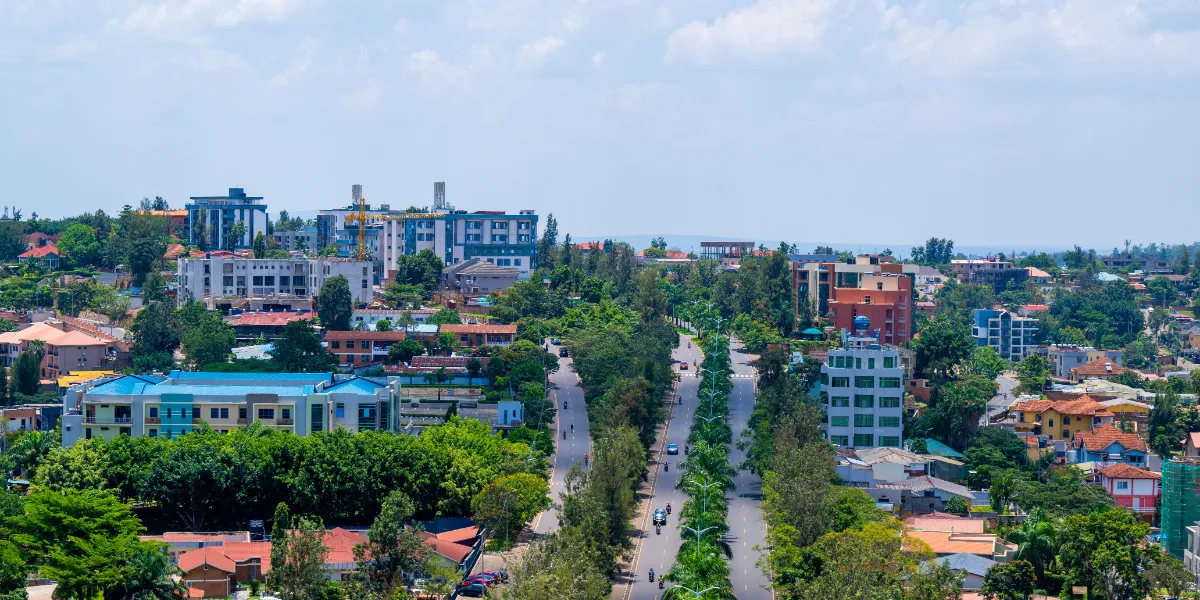
The Africa Fintech Summit opens in KIGALI tomorrow.
34 early-stage fintechs are pitching on day one. Investors, regulators, and founders from across the continent are already landing. The theme is “Powering the World from Africa,” and for three days this city is the center of the continent’s fintech conversation.
What nobody planned for: where to sit between sessions with reliable WiFi and power when you have three hours of deals to close before the keynote.
At Zenvivas, we connect remote professionals and digital nomads with verified workspaces across Africa and the Middle East. If you are in KIGALI this week for the summit and you need a desk that actually works, here is what we found.
Where to Work in Kigali During the Summit
KIGALI punches well above its size for coworking. The city has consistent power infrastructure (a genuine advantage over most African capitals), city-wide internet averaging 35-50 Mbps via Canalbox and MTN Fiber, and a compact layout that means most spaces are within 20 minutes of each other.
The challenge is that most spaces close on weekends. The summit runs Tuesday through Thursday this week (November 18-20), so the timing works in your favour.
NORRSKEN HOUSE KIGALI, Kigali City Center: This is the first choice for fintech professionals specifically. It sits inside the Norrsken House compound, which also hosts one of the most active startup communities in East Africa. Day pass at $15, monthly at $150. If you are attending the summit and want to stay connected to the ecosystem between sessions, this is the natural hub. The space draws founders, investors, and operators daily, so the conversations you are having at the summit continue here.
IMPACT HUB KIGALI, Kiyovu (KN 41 St): Impact Hub runs a network of coworking locations across Africa, and the Kigali chapter has a strong track record for social impact startups. The community is entrepreneurial and international. It sits in KIYOVU, a central, walkable neighbourhood close to the main summit hotel clusters. Closed Sundays, open the full summit week. Contact directly for day pass pricing.
IMIZI WORKSPACE, Kiyovu (KN 80): A quieter option in the same KIYOVU neighbourhood as Impact Hub. Well-reviewed by the Kigali expat and nomad community on Facebook, with solid Google ratings. If you need heads-down focus time between summit sessions rather than networking, this is a better fit than Norrsken.
WAKA TOWN, Kigali Town (KN 72): A coworking and coffee shop hybrid with longer morning hours, a gym with climbing wall, and private office options alongside shared desks. Good if you need a morning base before the summit agenda starts.
Question Coffee (GISHUSHU) and Kivu Noir (KIYOVU): Both are café-style working spots with reliable WiFi and atmosphere. Best for a 1-2 hour window, not a full day.
Neighbourhood Cheat Sheet
KIYOVU: Most central neighbourhood for coworking. Impact Hub and Imizi Workspace both sit here. Walkable to the main hotels and convention spaces, quiet enough for focused work. Best option if the summit venue is in the central district.
KIGALI CITY CENTER: Where Norrsken House and Waka Town operate. Higher energy, more startup foot traffic. Best if you want your coworking time to feel like an extension of the summit floor.
GISHUSHU: Residential, quieter. Question Coffee is the main working café here. 15-20 minutes from the summit clusters. Good for early-morning or late-evening work.
KIMIHURURA: Business district, international NGO presence. If you are staying in this part of the city, there are several working-friendly cafes and the neighbourhood has strong mobile internet coverage.
Quick Facts
Best coworking for summit week: NORRSKEN HOUSE KIGALI, $15/day, $150/month
City internet average: 35-50 Mbps (Canalbox and MTN Fiber)
Power reliability: above average for the region; Kigali has consistent electricity infrastructure
Currency: Rwandan Franc (RWF). Approximate rate November 2026: RWF 1,300 per USD
Summit dates: November 18-20, 2026, Kigali, Rwanda
Nomad visa: Rwanda offers a 5-year Multiple Entry visa used by remote workers
Travel insurance: SafetyWing Nomad Insurance from $45/month, covers Rwanda
Nearest Zenvivas city: Kampala, Uganda (2-hour drive): zenvivas.com/destinations/uganda/kampala
Best for: Fintech founders and investors who want to keep working while they network
Watch out for: Most coworking spaces close on weekends. The summit runs Tuesday-Thursday this week so timing is good, but plan your post-summit days carefully if you are extending
Last updated: November 2026
FAQ
How much does coworking cost in Kigali in 2026?
Day passes at Norrsken House Kigali cost $15, with monthly memberships at $150. For comparison, Nairobi coworking day passes typically run $10-20 at equivalent spaces. Kigali prices are competitive for East Africa, and the quality of power and internet makes the per-day cost reasonable for a productive working day.
Is internet reliable enough in Kigali for remote work during the Africa Fintech Summit?
Citywide internet in KIGALI averages 35-50 Mbps via Canalbox and MTN Fiber as of late 2026. At dedicated coworking spaces like Norrsken House, speeds are typically consistent during business hours. Kigali does not have the grid instability issues seen in Lagos or Accra, so power backup at coworking spaces is less of an operational concern here than in other African cities.
Where is the best place to work in Kigali close to the Africa Fintech Summit venue?
The KIYOVU and KIGALI CITY CENTER neighbourhoods contain the highest concentration of coworking options: Impact Hub, Imizi Workspace, Norrsken House, and Waka Town, all within 15-20 minutes of the main summit hotel clusters. Norrsken House is the strongest choice specifically for fintech professionals because its resident community overlaps directly with the summit attendee profile.
Is Kigali better or worse than Nairobi for remote work in 2026?
KIGALI has more stable power infrastructure than NAIROBI and a more compact layout, which reduces commute friction. NAIROBI has a larger coworking market with more price options and a larger digital nomad community. For a 3-day summit trip, Kigali is excellent. For a 2-3 month stay, Nairobi offers more coworking variety.
Does Kigali have a digital nomad visa in 2026?
Rwanda offers a 5-year Multiple Entry visa that remote workers use for extended stays. As of 2026 there is no specific “digital nomad visa” label, but the multiple entry visa is widely used by remote professionals. Confirm current requirements at the Rwanda Directorate General of Immigration before traveling.
Find your desk before you land. If you are heading to KIGALI this week, search verified workspaces at zenvivas.com/destinations/rwanda/kigali.
Are you a space owner in KIGALI with capacity this week? Summit attendees are searching right now. At this stage, listing is completely free. Get your space in front of them at zenvivas.com.
Also explore East Africa: Kampala, Uganda | Nairobi, Kenya | Dar es Salaam, Tanzania
Your workspace. Your stay. Your crew.
Keep reading
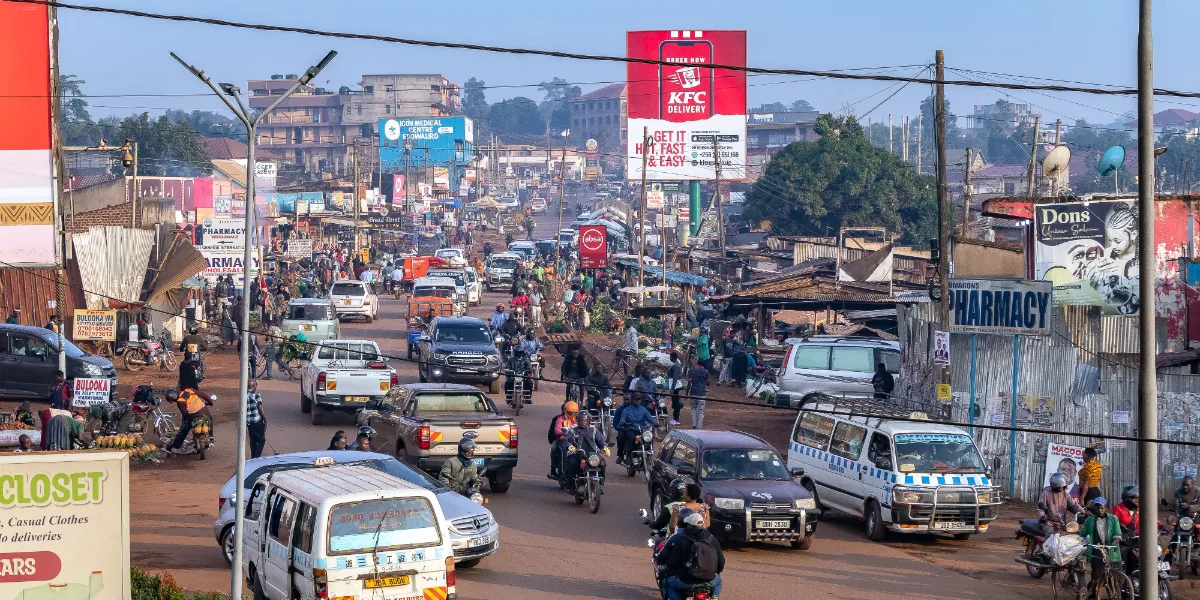
Digital Nomad Guide to Kampala Uganda 2026
Coworking from $8/day, $94/month. Full guide to working remotely from Kampala, Uganda: costs, visa, internet, safety, and Kampala vs Kigali 2026.
17 November 2026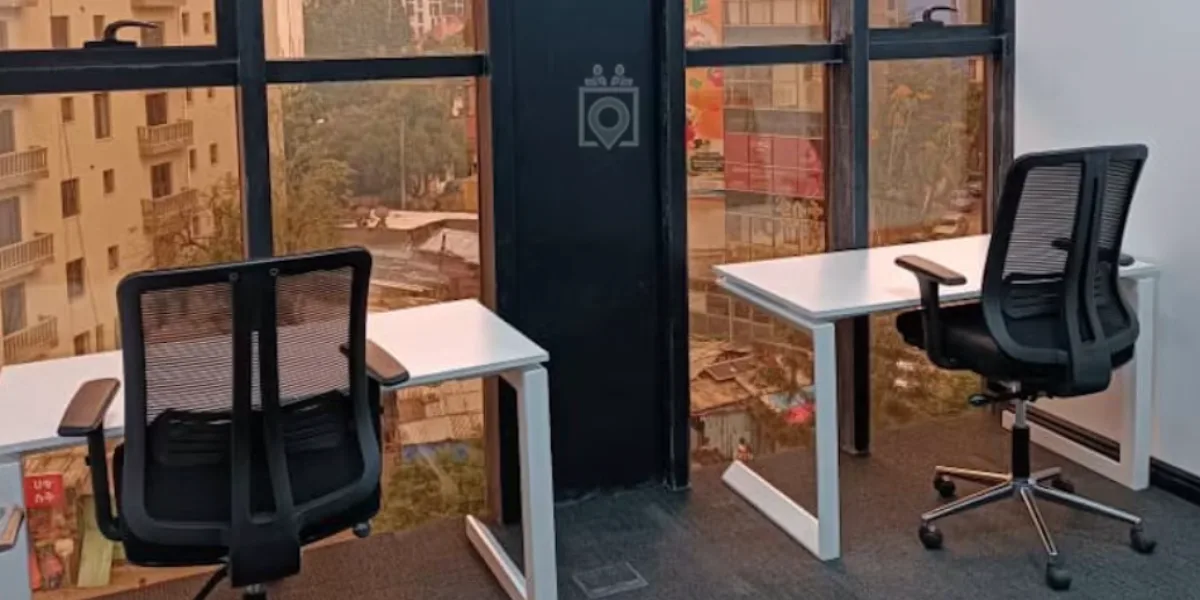
Coworking in Addis Ababa 2026: Real Spaces, Prices and Visa Guide
Where to work in Addis Ababa in 2026, confirmed coworking prices, internet after Safaricom’s 4G launch, and visa info for remote workers.
11 November 2026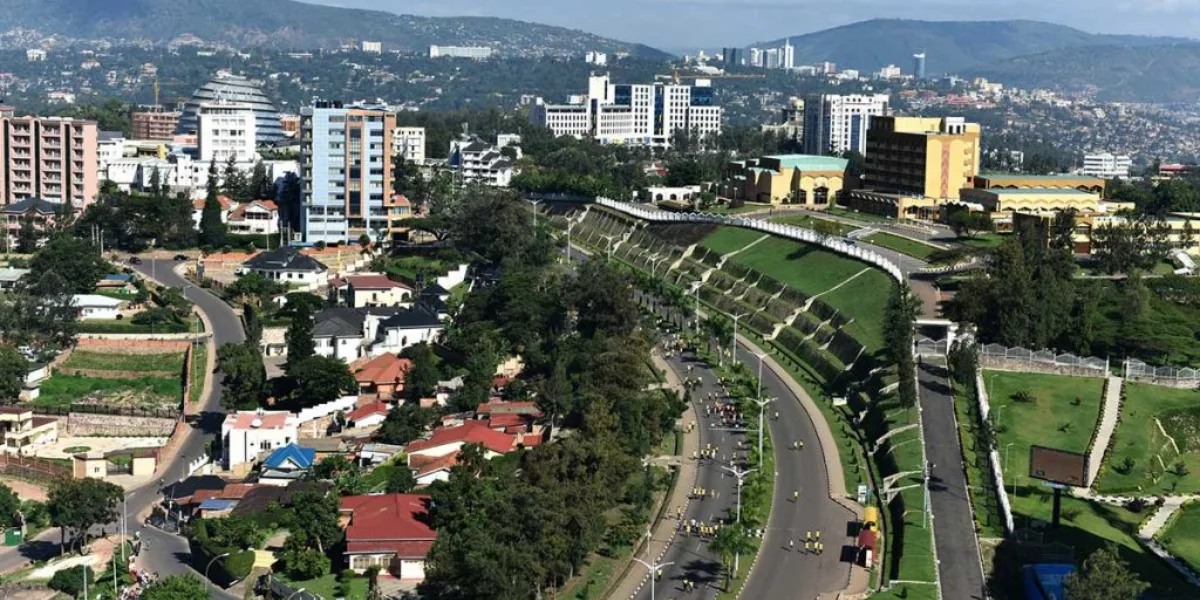
Best Coworking Spaces in Kigali for Remote Workers 2026
Coworking in Kigali from $3.50/day. Nomad visa, monthly budgets, top spaces by neighbourhood, and quick facts for remote workers in 2026.
10 November 2026