Digital Nomad Guide to Kampala Uganda 2026
Coworking from $8/day, $94/month. Full guide to working remotely from Kampala, Uganda: costs, visa, internet, safety, and Kampala vs Kigali 2026.
By Zenvivas Admin9 min readUganda
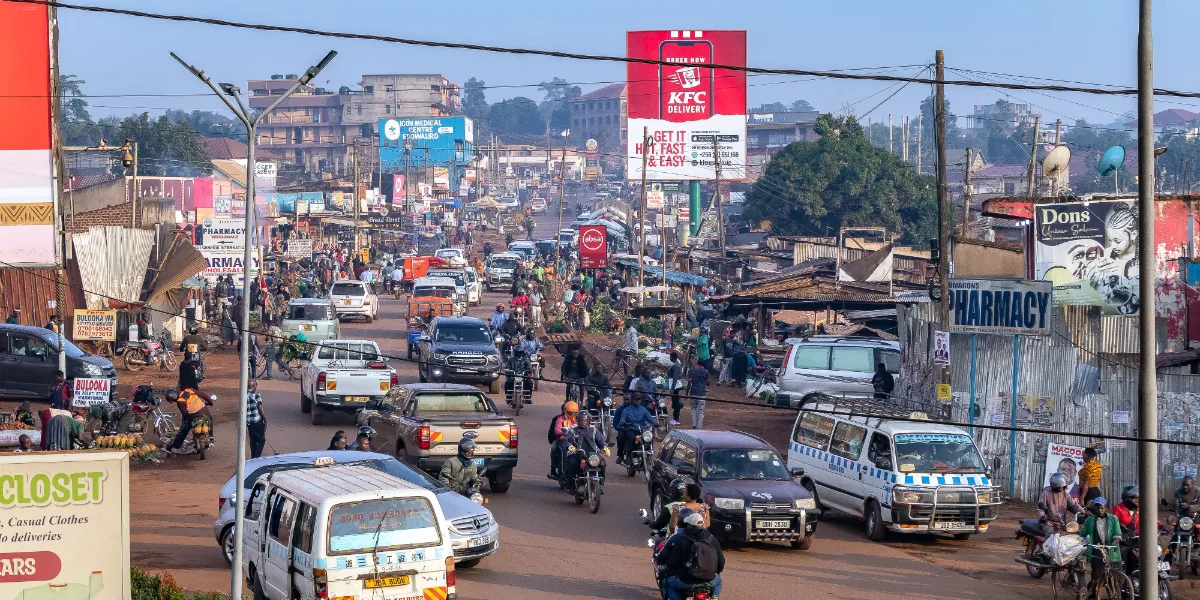
KAMPALA is two hours from KIGALI, where the Africa Fintech Summit lands tomorrow, and most people flying into East Africa this week will walk straight past it. Half the delegates routing through ENTEBBE INTERNATIONAL AIRPORT will not stay. That is the gap this guide is for.
KAMPALA is the second-strongest startup ecosystem in East Africa per StartupBlink. It has the coworking density to match, costing less per month than almost any comparable city on the continent, with 12 months of mild weather and a 6-hour workday overlap with Central European clients.
The trade-offs are real. We will cover those. But the workspace reality here is better than the reputation suggests.
Why Kampala in 2026
The timing is specific. The KIGALI-KAMPALA corridor is East Africa’s most-traveled nomad route, particularly in November when the Africa Fintech Summit, the Summit for Democracy fringe events, and the broader East African innovation calendar bring hundreds of tech professionals to the region. The East Africa Tourist Visa covers all three entry points, Uganda, Kenya, and Rwanda, for $100. If you are already coming to KIGALI, KAMPALA is a logical two-week extension.
KAMPALA vs KIGALI is a comparison that comes up constantly in nomad forums. KIGALI is cleaner, more organised, and increasingly expensive. KAMPALA is chaotic, deeply human, and significantly cheaper on coworking and food. Both have strong startup ecosystems. KAMPALA’s streets are harder. KAMPALA’s energy is different.
The other hook for 2026: KAMPALA ranked second in East Africa and among the top 15 startup ecosystems in sub-Saharan Africa per StartupBlink’s 2025 Global Startup Ecosystem Index. That ranking is built on names you will recognise: HIVE COLAB (older than coworking was fashionable in Africa), OUTBOX HUB (connected to Mastercard Foundation and USAID), THE INNOVATION VILLAGE (branches in four Ugandan cities), and NATIONAL ICT INNOVATION HUB, backed directly by Uganda’s Ministry of ICT.
This is not a nascent scene. This is a developed coworking market at prices that will surprise you.
Coworking in Kampala: What It Actually Costs
Prices in UGX. Use approximately 1 USD = 3,700 UGX as your November 2026 conversion baseline. Confirm the live rate at xe.com before booking.
TECHBUZZ HUB (Kigoowa): 30,000 UGX per day ($8), 350,000 UGX per month ($94). Winner of the 2024 Global Startup Awards Best Coworking Space in Africa. Has an active WhatsApp member community and a well-managed hot desk section. This is the best value option for a first-time visitor.
HIVE COLAB (Kisimenti): from 30,000 UGX per day ($8), approximately 400,000 UGX per month ($108). One of the oldest coworking spaces in East Africa. Hosts the Swarm Summit and runs Uganda’s most active youth startup programs. Community is genuine and mission-driven.
OUTBOX HUB (Ntinda): 30,000 UGX per day ($8), 500,000 UGX per month ($135). Creative studio, terrace, and shower facilities. Partnered with Mastercard Foundation and USAID programming. More polished than most of its peers.
THE INNOVATION VILLAGE (Kampala flagship): from 500,000 UGX per month ($135). Regional branches in Jinja, Mbarara, and Namanve offer lower rates from 200,000 UGX ($54). The Kampala flagship is the premium anchor of the ecosystem.
NATIONAL ICT INNOVATION HUB (Ministry of ICT): from 250,000 UGX per month ($68). Government-backed. Rated 4.6 from 139 reviews. Strong for tech workers wanting access to the broader public sector innovation pipeline.
TRIBE KAMPALA (Kisimenti): 500,000 UGX per month ($135). User-rated 9.6/10. Smaller and more community-focused than THE INNOVATION VILLAGE.
VENTURELABS AFRICA (Bugoloobi): from 450,000 UGX per month ($122). 89 reviews averaging 4.4. Suits early-stage founders and investors.
Summary: coworking in KAMPALA runs $8 per day on a drop-in basis across the main spaces. Monthly memberships start at $68 and reach $135 for dedicated desks at flagship spaces. Compared to NAIROBI ($12-25/day), KIGALI ($10-15/day), or DUBAI ($20-50/day), KAMPALA is the most affordable major startup-ecosystem city in East Africa.
Internet and Power
Median download in KAMPALA is in the 13-22 Mbps range based on available community data. That is enough for Zoom, Slack, and most client work. It is not enough for heavy uploads or 4K video work. The key variable is not the city average, it is the per-space reality. All the spaces listed above have fibre or dedicated business internet. Test on arrival before committing to a monthly membership.
MTN Uganda and Airtel Uganda both operate 4G with reasonable coverage across KAMPALA’s main working neighbourhoods: KISIMENTI, NTINDA, BUGOLOOBI, and NAKASERO. Buy a local SIM at ENTEBBE airport for backup. 20GB data costs approximately 20,000 UGX ($5.40). Airalo also sells Uganda eSIM bundles if you prefer to have data before you land.
Power is managed via scheduled national grid load shedding with backup generators across all named coworking spaces. Confirm backup power hours with individual spaces before booking. KAMPALA’s main coworking spaces have largely solved the power question.
Accommodation
KAMPALA has a wide serviced apartment and guesthouse market that suits one-to-three-month stays better than hotels.
KOLOLO and NAKASERO are the safest, most central neighbourhoods for nomads. Expect 1,500,000 to 2,500,000 UGX per month ($405-$675) for a furnished 1-bedroom in these areas. NTINDA and BUGOLOOBI are more affordable at 800,000 to 1,500,000 UGX ($216-$405).
There is no established coliving scene in KAMPALA as of November 2026. Most longer-stay visitors use furnished apartments booked through local Facebook groups, Airbnb, or introductions from coworking space communities. Ask at HIVE COLAB or OUTBOX HUB on arrival, the communities here actively help new arrivals find accommodation.
Monthly Budget: What to Plan For
A realistic working budget for KAMPALA in 2026:
Coworking: $94-135/month
Accommodation (1BR, Kololo or Ntinda): $216-675/month
Food (mix of local and restaurant): $200-350/month
Transport (Uber/SafeBoda): $50-100/month
SIM and data: $15-20/month
Travel insurance (SafetyWing Nomad Insurance): $45/month
Total: approximately $600-1,200/month depending on accommodation choice and lifestyle. KAMPALA’s cost ceiling is lower than KIGALI and significantly lower than NAIROBI. The floor is lower too if you live like a local.
Visa: Uganda for Remote Workers in 2026
Uganda does not have a digital nomad visa. Here is what is available:
E-visa: $50 USD, valid for 3 months from issue date, 90-day stay on arrival. Apply at visas.immigration.go.ug. Processing is 2-5 working days. Approval letter is valid for 90 days from issue.
Extensions: extensions of up to 60 days are available at the DCIC (Directorate of Citizenship and Immigration Control) offices in KAMPALA. Maximum stay on this basis: 6 months.
East Africa Tourist Visa: $100 USD, 90 days, multiple entry across Uganda, Kenya, and Rwanda. If your itinerary covers all three, this is the logical choice. Apply via the same portal.
Business visas are available for those doing genuine business activity. No dedicated remote worker category exists. The tourist visa is the standard mechanism for nomads.
Safety and Practical Notes
KAMPALA is relatively safe for a city of its scale, with normal urban precautions applying. Use Uber or SafeBoda for transport and avoid walking at night in unfamiliar areas.
One important note: Uganda’s Anti-Homosexuality Act, passed in 2023 and upheld by the Constitutional Court in April 2024, makes Uganda legally hostile to LGBTQ+ travelers. If this is relevant to you or your team, factor it into your decision to visit.
Tap water in KAMPALA is not safe to drink without treatment. Buy bottled or use a filter.
Kampala vs Kigali for Remote Workers in 2026
KIGALI is cleaner, faster on internet (consistently 20-50 Mbps), more compact, and easier to navigate as a first-time visitor. Monthly coworking costs roughly $80-141.
KAMPALA is more affordable on food and coworking, has a more diverse and sprawling ecosystem, and feels more lived-in and complex. If you want to understand East Africa at depth, not just its polished surface, KAMPALA teaches you more. If you want efficient workspace and reliable infrastructure with less friction, KIGALI wins.
They complement each other. With the East Africa Tourist Visa, you can do both.
Quick Facts
Best coworking: TECHBUZZ HUB, Kigoowa, 30,000 UGX/day ($8), 350,000 UGX/month ($94)
Monthly budget: $600-1,200 depending on accommodation area
Internet: 13-22 Mbps city median; all named coworking spaces have business-grade fibre
Power backup: generator backup standard at all major coworking spaces
Visa: E-visa $50 USD, 90-day tourist stay; East Africa Tourist Visa $100 (Uganda + Kenya + Rwanda)
Exchange rate: approximately 1 USD = 3,700 UGX (November 2026, verify at xe.com)
LGBTQ+ note: Uganda’s Anti-Homosexuality Act is in force; legally hostile environment for LGBTQ+ travelers
Travel insurance: SafetyWing Nomad Insurance from $45/month
Nearest Zenvivas city: Kigali, Rwanda: zenvivas.com/destinations/rwanda/kigali
Last updated: November 2026
FAQ
How much does coworking cost in Kampala Uganda in 2026?
Day passes at the main coworking spaces in KAMPALA run 30,000 UGX ($8 at approximately 3,700 UGX per dollar in November 2026). Monthly hot desks start at 350,000 UGX ($94) at TECHBUZZ HUB and reach 500,000 UGX ($135) at OUTBOX HUB, THE INNOVATION VILLAGE, and TRIBE KAMPALA. The NATIONAL ICT INNOVATION HUB (backed by Uganda’s Ministry of ICT) offers monthly rates from 250,000 UGX ($68). KAMPALA is the most affordable major startup-ecosystem city in East Africa on a per-day coworking basis.
What is the best coworking space in Kampala for digital nomads in 2026?
TECHBUZZ HUB in Kigoowa won the 2024 Global Startup Awards Best Coworking Space in Africa and offers the best value daily and monthly rates in the city at 30,000 UGX/day ($8) and 350,000 UGX/month ($94). HIVE COLAB in Kisimenti is one of East Africa’s oldest coworking spaces with deep community ties. OUTBOX HUB in Ntinda is the most polished option with terrace and shower facilities. The choice depends on whether you prioritise price (TECHBUZZ HUB), community depth (HIVE COLAB), or facilities (OUTBOX HUB).
Does Uganda have a digital nomad visa in 2026?
No. Uganda does not have a dedicated digital nomad or remote worker visa as of November 2026. The standard entry mechanism is an e-visa for $50 USD, valid for 90 days from arrival. This can be extended by up to 60 days at DCIC offices in KAMPALA. For East Africa itineraries covering Uganda, Kenya, and Rwanda, the East Africa Tourist Visa ($100 USD, 90 days, multiple entry) is a more efficient option. Apply at visas.immigration.go.ug.
Is Kampala safe for digital nomads in 2026?
KAMPALA is reasonably safe for nomads with standard urban precautions: use Uber or SafeBoda for transport, avoid walking in unfamiliar areas after dark, and stay in the main working neighbourhoods of KOLOLO, NAKASERO, NTINDA, or BUGOLOOBI. LGBTQ+ nomads should be aware that Uganda’s Anti-Homosexuality Act (2023, upheld 2024) makes Uganda legally hostile for LGBTQ+ individuals. Tap water is not safe to drink without treatment. No specific government travel advisories were active for KAMPALA as of November 2026, but check your government’s advisory portal before travel.
How does Kampala compare to Kigali for remote workers in 2026?
KIGALI is cleaner, faster on internet, and simpler to navigate as a first-time visitor. Monthly coworking costs roughly $80-141. KAMPALA is more affordable on food and housing (1BR from $216/month in NTINDA vs $350+ in KIGALI), has a larger and older coworking ecosystem, and a more complex urban character. Internet in KAMPALA averages 13-22 Mbps compared to KIGALI’s consistent 20-50 Mbps. Both cities are covered on the East Africa Tourist Visa ($100 USD), making a combined itinerary easy to manage. For work-first nomads, KIGALI is more efficient. For East Africa depth, KAMPALA rewards the effort.
Find your Kampala workspace before you land at zenvivas.com/destinations/uganda/kampala.
Also explore East Africa: Kigali, Rwanda | Nairobi, Kenya | Dar es Salaam, Tanzania
If you run a coworking space or stay in KAMPALA, this is the right moment to build your international pipeline. Remote workers are actively searching for verified East Africa options. At this stage, listing your space is completely free and you manage all bookings directly from your own dashboard. Get started at zenvivas.com.
Your workspace. Your stay. Your crew.
Keep reading
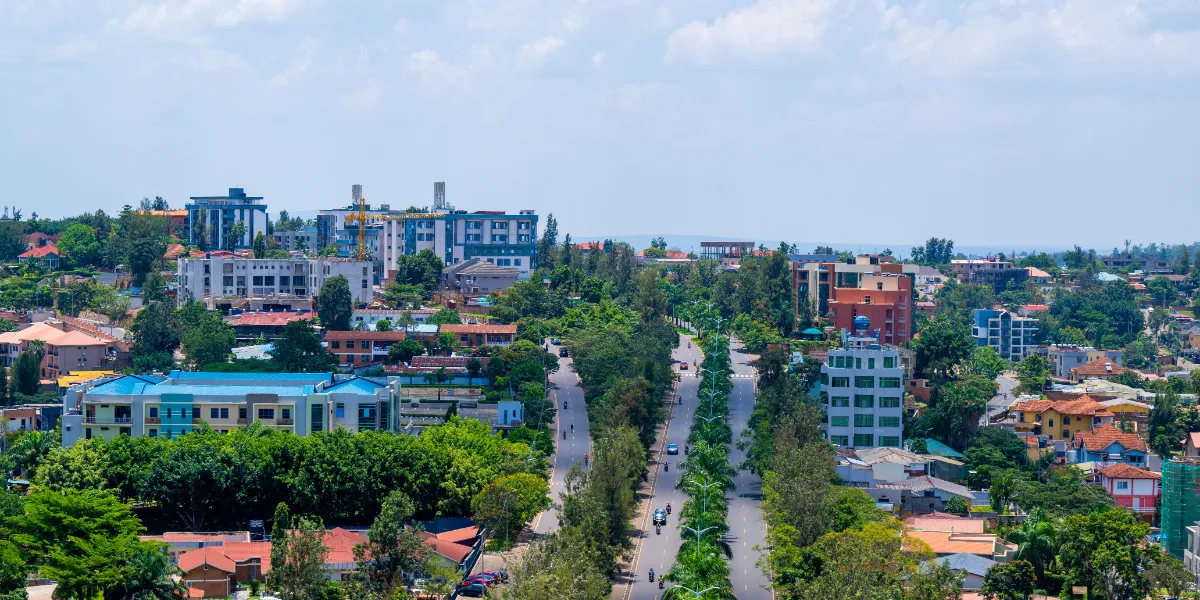
Heading to Kigali for the Africa Fintech Summit? Here’s Where to Work
The Africa Fintech Summit starts Nov 18 in Kigali. Best coworking spaces for summit week: locations, prices, WiFi speeds, and power info.
17 November 2026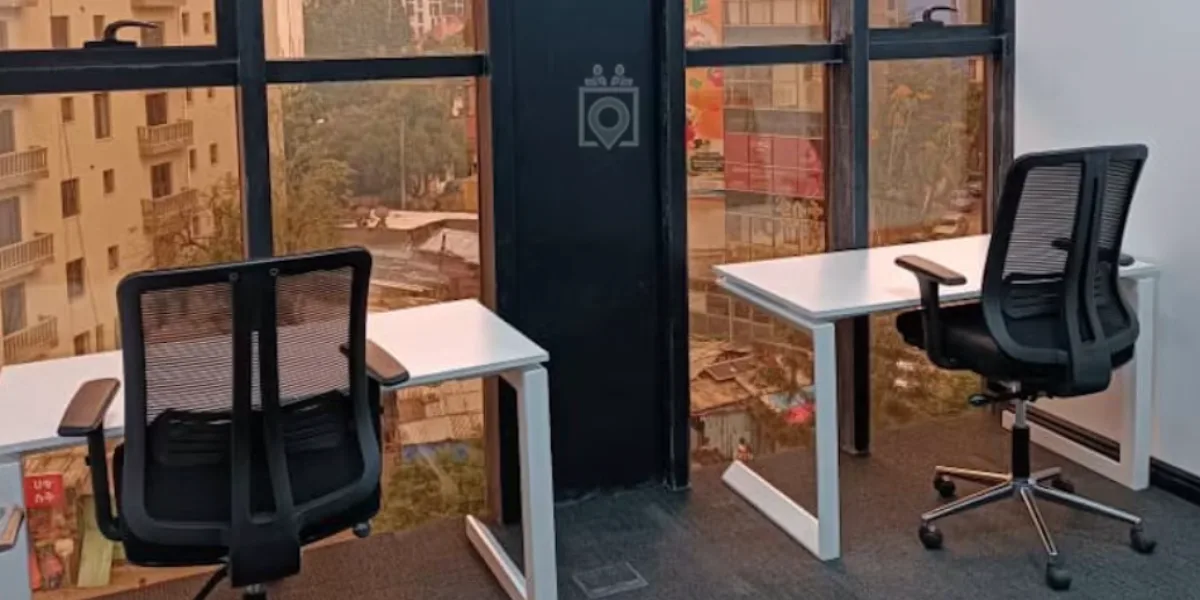
Coworking in Addis Ababa 2026: Real Spaces, Prices and Visa Guide
Where to work in Addis Ababa in 2026, confirmed coworking prices, internet after Safaricom’s 4G launch, and visa info for remote workers.
11 November 2026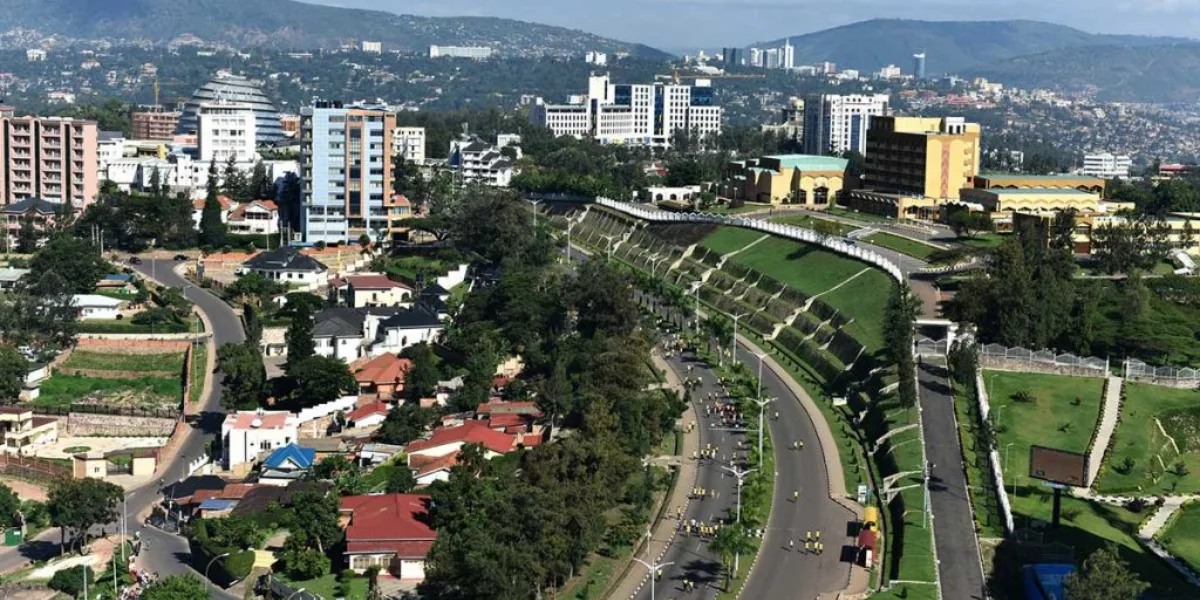
Best Coworking Spaces in Kigali for Remote Workers 2026
Coworking in Kigali from $3.50/day. Nomad visa, monthly budgets, top spaces by neighbourhood, and quick facts for remote workers in 2026.
10 November 2026