I Mapped Cape Town for Remote Workers. Do Not Book Before Reading This.
Not a tourist guide. Not a blog post. This is what you find when you actually talk to the people who run these spaces.
5 min readCape Town, South Africa
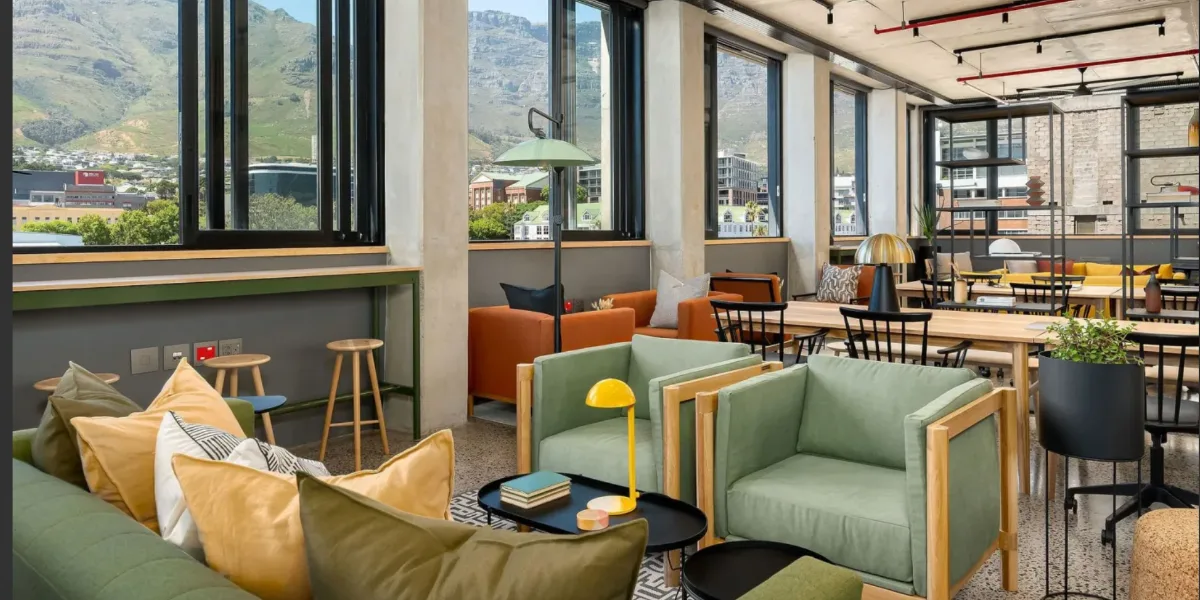
Most Cape Town neighborhood guides are written by people who stayed in Sea Point for three weeks and called it research.
This one is different. I have been building Zenvivas from Ajman in the UAE, mapping verified workspaces across Africa and the Middle East. Cape Town is our pilot city. I have spoken directly to the operators. I have verified the prices. I have checked the WiFi speeds. And I am writing this as a founder who is building the platform that Africans, nomads, and remote workers from Lagos, Nairobi, Accra, and Kigali will use to find their workspace before they land in this city.
If you are flying into Cape Town from somewhere else in Africa, from the Middle East, or from anywhere that most Cape Town guides have never considered their audience, this is the guide that was written for you.
Here is what I actually found neighborhood by neighborhood.
De Waterkant — The International Nomad Hub
De Waterkant is where the international remote worker community concentrates. The streets are cobbled and the buildings are colorful and Workshop17 Watershed is a 10-minute walk away. This is the neighborhood that feels most like a nomad destination in the sense that you will meet other remote workers here without trying.
As of September 2026: Airbnbs run R15,000 to R25,000 per month. Serviced apartments slightly higher. The community energy is the highest of any neighborhood in the city.
Best for: Nomads arriving alone who want to meet people fast.
Not for: Anyone on a tight budget or wanting a local Cape Town experience rather than an expat one.
Gardens — The One Most Guides Underrate
Every guide puts Sea Point first. I am putting Gardens here because it is the neighborhood that surprised me most. Kloof Street is one of the best working streets in Africa. Workshop17 Kloof Street is here. So is Neighbourgood. So is a concentration of restaurants, cafés, and independent shops that makes every working lunch feel like a reward. 1-bedrooms run R8,000 to R15,000 per month. Significantly cheaper than De Waterkant for the same quality of daily life.
As of September 2026: Neighbourgood's Work Club at R990 per month covers all Gardens locations and four other Cape Town areas. That is one of the best value workspace memberships on the continent.
Best for: Creative professionals, founders, and nomads who want a neighborhood that feels lived-in rather than curated.
Observatory — Where Cape Town Actually Lives
Observatory is not on most nomad guides. When it is mentioned it is usually in the "where not to stay" section. I disagree. Observatory is where Cape Town's artists, musicians, and tech community actually lives. Ground Culture Observatory at 170 Lower Main Road is one of the most genuinely beautiful working cafés I have researched on this continent. Co-owned by Sebastian Daniels and art curator Lisa Cormack-Thomson. Free WiFi. Fourth wave coffee. Monthly solo art exhibitions. Rent drops to R6,000 to R10,000 per month for a furnished 1-bedroom.
As of September 2026: Ground Culture is operating Monday to Friday 7am to 4pm and Saturday 7am to 2pm. No membership required. Best WiFi in the area for café working.
Best for: Nomads who want the real Cape Town, not the curated version. Especially strong for creatives and founders building something with African market context.
Not for: Nomads who need a formal coworking environment or maximum safety certainty.
Green Point — The Most Complete Daily Life Package
Green Point is the neighborhood I would choose if I was staying in Cape Town for three months. CURIOCITY coliving is at 153 Main Road and is rated 9.58 on Hostelworld. Ideas Cartel Old Foundry is at 1 Sand Hill Road, combining boutique hotel rooms with coworking access under one roof. The Sea Point promenade is a 10-minute walk. The V&A Waterfront is 5 minutes by car. 1-bedrooms run R10,000 to R20,000 per month.
As of September 2026: Ideas Cartel Old Foundry is operating with coworking from R2,000 per month and day passes at R200 ex VAT. CURIOCITY has confirmed availability through Q4 2026.
Best for: Nomads who want the most complete combination of lifestyle, workspace access, safety, and walkability in one neighborhood.
Sea Point — For the Long Stay
Sea Point is where nomads become locals. The Atlantic promenade is one of the best places in the world to start a working day. Create Space coworking is here. Monthly Airbnbs run R12,000 to R22,000. The neighborhood is more residential and quieter than De Waterkant. Less creative energy than Observatory. The best choice for nomads staying longer than six weeks who want to feel genuinely settled in the city.
As of September 2026: The Sea Point promenade is fully operational and considered the safest daily walking route in Cape Town. Most accommodations here now offer fibre WiFi and load shedding backup as standard following the 2025 infrastructure upgrades.
Best for: Long-stay nomads who want a residential feel, ocean access, and a walkable daily life.
Muizenberg — Get Here Before Everyone Else Does
Muizenberg is 30 minutes from the city center and a completely different world. The most consistent beginner surf beach in Africa. Significantly cheaper than anything in the city bowl. A creative community that has been building quietly for years.
Here is what I know that most guides do not: Workshop17 Muizenberg is opening in late 2026 in a restored 1930s Post Office building. When it opens this neighborhood becomes a serious remote work destination for the first time. The nomads who arrive before that opening date will have a head start on the community that forms around it.
As of September 2026: No confirmed opening date yet. Zenvivas is monitoring daily. We will update this page the moment it opens.
Best for: Nomads who surf or want to learn, and anyone who wants to be in a neighborhood before it gets discovered.
The three things to verify before you book anywhere in Cape Town
First: WiFi speed. Ask for a speed test result or run your own on a day pass. Minimum 50 Mbps for reliable video calls. Second: Load shedding backup. Ask specifically whether the building has solar, UPS, or generator coverage. Not every landlord volunteers this information. Third: Distance to your primary coworking space. A beautiful apartment that is 45 minutes from your desk in Cape Town morning traffic is not a beautiful apartment.
A note for nomads flying in from elsewhere in Africa
If you are coming from Lagos, Nairobi, Accra, or Kigali, the guides you will find online were not written for you. They were written for European or American nomads for whom Cape Town is an exotic destination. For you, Cape Town is a business trip, a sprint, or a regional base. The neighborhoods that matter most to you are the ones close to the spaces where the continent's business conversations are happening. That means Gardens for the startup community, Green Point for the lifestyle-work balance, and De Waterkant for the fastest path to other professionals working on the same kinds of problems you are.
Every space and stay in this guide is verified and listed on Zenvivas. Search by neighborhood, filter by WiFi speed and backup power, and contact the operator directly through the platform. zenvivas.com/destinations/cape-town
Keep reading
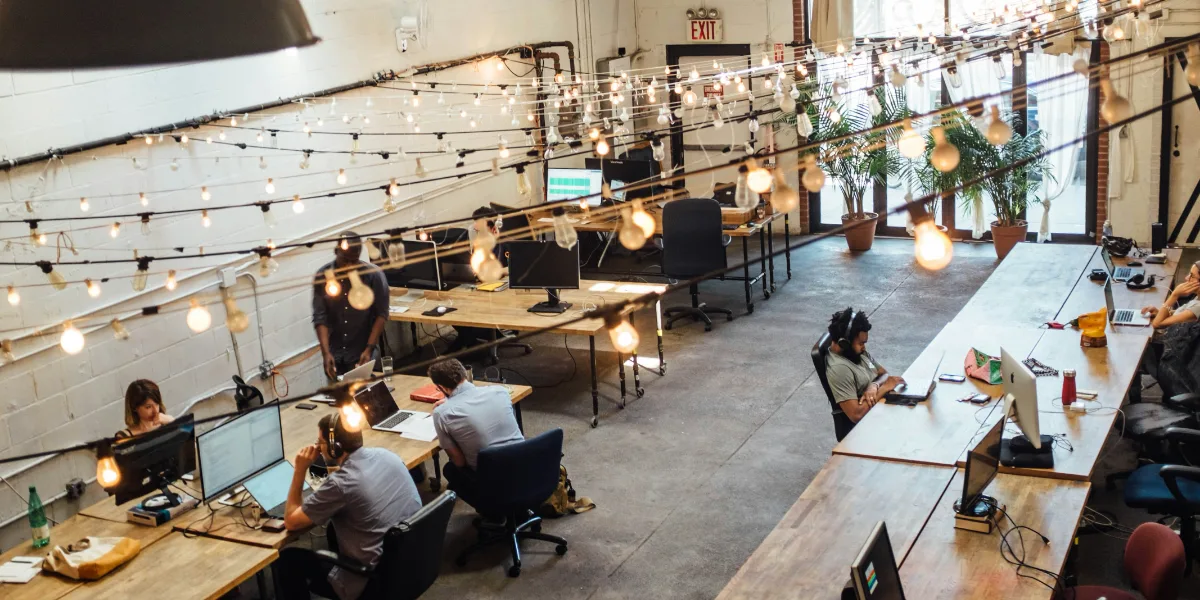
Best Coworking Spaces in Cape Town for Digital Nomads and Remote Workers 2026
Best Coworking Spaces in Cape Town
18 September 2026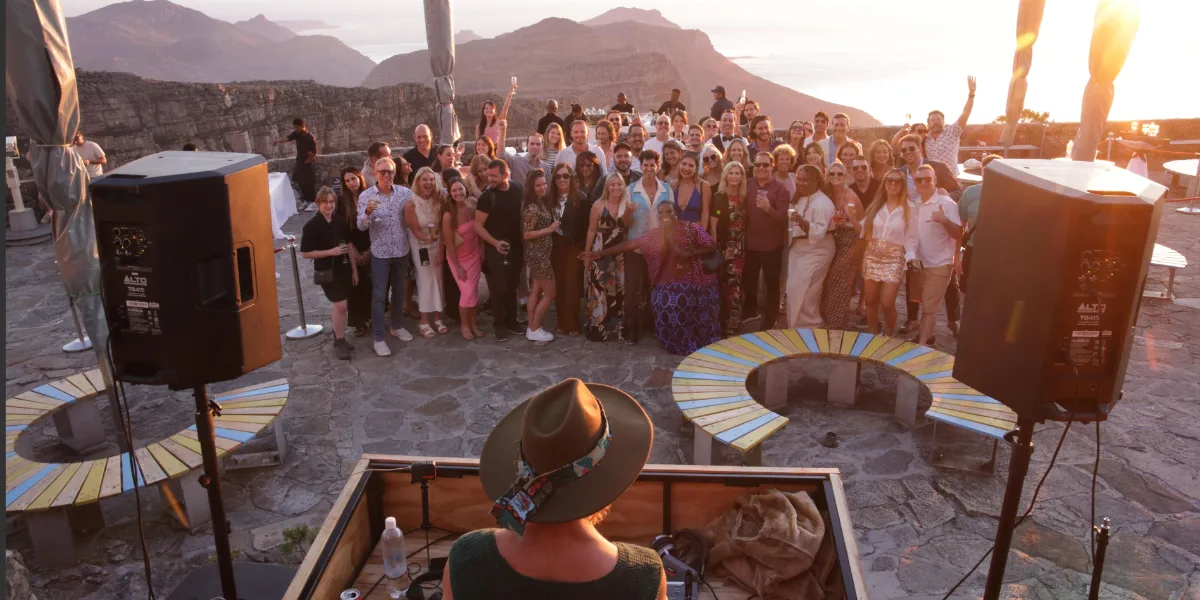
What To Do in Cape Town When You Close the Laptop
The Cape Town lifestyle guide written by someone who actually knows the people building this nomad scene.
17 September 2026