Digital Nomad Guide to Dar es Salaam, Tanzania 2026: Coworking, Cost, and Why Now
Coworking from $8/day in Dar es Salaam. Costs, visa, internet, and why AFCON 2027 makes now the right time to plan your Tanzania move.
By Zenvivas Admin11 min readDar es Salaam, Tanzania
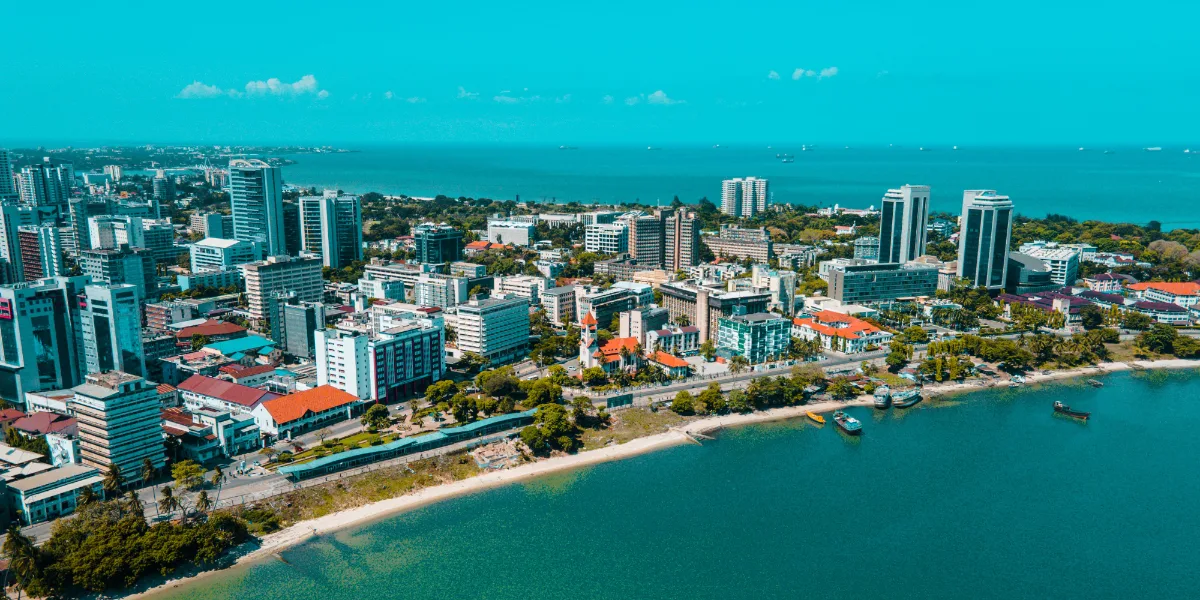
DAR ES SALAAM is a confirmed match venue for AFCON 2027, the first Africa Cup of Nations in East African history. Tanzania, Kenya, and Uganda are jointly hosting the tournament in June-July 2027. Tourism infrastructure is being built out now, safari and luxury tourism costs in Tanzania are already rising ahead of the event, and accommodation prices across the country are expected to follow. If you are planning an East Africa base in the next 12 months, the window to establish yourself in DAR ES SALAAM at current coworking prices (from $8 a day and $75 a month) is narrowing.
The workspace reality here surprises most people who look properly. BUNI HUB, operated at the UNIVERSITY OF DAR ES SALAAM campus and rated 4.3 stars from 745 reviews, charges $8 a day and $75 a month. THE HUB DAR ES SALAAM is $10 a day and $95 a month. These are KAMPALA-level prices in a coastal city with a 41 Mbps internet median and direct ferry access to Zanzibar.
We mapped the workspace scene for Zenvivas. Here is what it actually looks like.
Why Dar es Salaam in 2026
DAR ES SALAAM is Tanzania's commercial capital and by far its largest city. The city sits at the intersection of two major shifts hitting East Africa simultaneously. First: the AFCON 2027 effect. Tanzania, Kenya, and Uganda are jointly hosting the continent's most-watched football tournament for the first time in June-July 2027. The infrastructure buildout and inbound visitor wave have already begun, and reports indicate luxury tourism and safari costs in Tanzania are climbing ahead of the tournament. Second: a growing startup ecosystem. Tanzania had 1,041 tracked startups as of 2026, up 24% year-on-year, according to the Tanzania Startup Association.
DAR ES SALAAM vs KAMPALA is a comparison worth making, particularly now that Uganda's scene has been mapped on the platform. Both cities cost $8 a day at their best coworking options. Both lack a dedicated digital nomad visa. But the divergence is real: DAR ES SALAAM offers Indian Ocean access, a larger expat infrastructure, faster internet, and a coastal capital energy. KAMPALA has denser startup ecosystem density at every level and covers three countries on the East Africa Tourist Visa. Important note: Tanzania is NOT included in the East Africa Tourist Visa ($100, Uganda + Kenya + Rwanda). DAR ES SALAAM requires its own separate e-visa.
The tech core in DAR ES SALAAM centers on the SILICON DAR corridor running through KIJITONYAMA and spreading across MASAKI, OYSTER BAY, and the CBD. BUNI HUB is the anchor: backed by COSTECH (Tanzania Commission for Science and Technology), it has maker space facilities, 3D printers, and a startup community that has been building since before it was fashionable. SEEDSPACE DAR ES SALAAM, on BAGAMOYO ROAD, is the Seedstars World affiliate and has hosted competition events with up to $500,000 in prizes.
Coworking in Dar es Salaam: What It Actually Costs
Prices in TZS. Use approximately 1 USD = 2,650 TZS as your November 2026 conversion baseline. Confirm the live rate at xe.com before booking.
BUNI HUB (Kijitonyama, University of Dar es Salaam campus): $8/day, TZS 200,000/month ($75). Backed by COSTECH. Maker space with 3D printers and electronics tools. 4.3-star Google rating from 745 reviews. The most affordable and best-networked option in the city for tech workers. Test WiFi on arrival during peak afternoon hours, as capacity can affect speeds.
THE HUB DAR ES SALAAM: $10/day, TZS 250,000/month ($95). The main startup-community hub. Regular events and mentorship programming. Well suited to founders looking to connect while they work.
ZO SPACES (MAKUMBUSHO): TZS 35,000/day ($13), TZS 300,000/month ($113). 4.7-star Google rating from confirmed users. Reliable WiFi listed; ask about backup power specifics before booking.
IMPACT HUB DAR ES SALAAM: from TZS 350,000/month ($132). 40+ workstations, six private offices, event space for up to 120. Part of the global Impact Hub network with 25,000+ members in 100+ cities. Good for professionals who want structured community and regular programming.
AMMI SPACES (SAMORA AVENUE, CBD): TZS 25,000/day ($9.40), TZS 500,000/month ($189). Biometric entry and 24/7 security on weekly and monthly memberships. Located in the central business district.
REGUS (GOLDEN JUBILEE TOWERS, CBD): $20/day, TZS 600,000/month ($226). Full business address, meeting rooms, enterprise support. The professional-tier option for client-facing work.
Summary: coworking in DAR ES SALAAM starts at $8/day and $75/month, in line with KAMPALA's best rates and significantly below NAIROBI ($12-25/day) or DUBAI ($20-50/day). The mid-tier range from TZS 300,000-350,000/month ($113-$132) offers the best balance of infrastructure and community. All major spaces listed have dedicated fiber internet and generator or inverter backup.
Internet and Power
Fixed broadband median in DAR ES SALAAM is approximately 41 Mbps (Speedtest, August 2026). Mobile averages 33 Mbps. Fiber from Vodacom, Airtel, and TTCL covers the main business districts. Coworking spaces in MASAKI, KIJITONYAMA, and the CBD run dedicated fiber connections.
Power outages are a real variable in DAR ES SALAAM. National grid interruptions are managed with scheduled windows, but backup power at your workspace is non-negotiable. The main coworking spaces listed here have generator or inverter backup. Ask specifically before booking whether backup power hours match your working day. Keep a local SIM from Vodacom or Airtel with a data bundle as your fallback: 4G coverage across the main working neighborhoods is solid.
Airalo sells Tanzania eSIM bundles if you want data connectivity before you land.
Accommodation
DAR ES SALAAM's expat and nomad accommodation concentrates on a peninsula south of the CBD: MASAKI, OYSTER BAY, and MSASANI. Ocean-view 1-bedroom apartments in MASAKI start from $600/month. MIKOCHENI and REGENT ESTATE, slightly more inland, run $400-$700/month for a furnished 1-bedroom.
For nomads working a 1-3 month rotation, the MASAKI-MIKOCHENI corridor is the practical choice: coworking options within reach, restaurant density, and reasonable security. THE SLIPWAY in MASAKI offers the best concentration of expat-facing restaurants and cafes for work calls and evening decompression.
DAR ES SALAAM has no established coliving scene as of November 2026. Most longer-stay visitors source furnished apartments through Airbnb, local Facebook groups, or introductions through coworking community managers. Ask at BUNI HUB or THE HUB DAR ES SALAAM on arrival for community-led accommodation recommendations.
Monthly Budget: What to Plan For
A realistic working budget for DAR ES SALAAM in 2026:
Coworking: $75-$132/month Accommodation (1-BR, Mikocheni to Masaki): $400-$1,200/month Food (mix of local and restaurant): $280-$600/month Transport (Bolt/bajaj): $100-$250/month SIM + data: $20-$30/month Mandatory state travel insurance: $44 one-time, valid 92 days Travel insurance (SafetyWing Nomad Insurance): $45/month
Total: approximately $700-$1,100/month for a single remote worker, per Stamped Nomad's November 2026 estimate. Choosing MIKOCHENI over MASAKI saves $200-$500/month on accommodation alone. The Bolt ride from MASAKI to KIJITONYAMA is typically TZS 3,000-10,000 ($1.15-$3.80). The Azam Marine fast ferry from DAR to ZANZIBAR runs approximately $35-$50 one-way and takes around two hours.
Visa: Tanzania for Remote Workers in 2026
Tanzania does not have a dedicated digital nomad or remote worker visa. Here is what is available.
E-visa (single entry): $50 USD for most nationalities, $100 USD for US and Irish citizens. Valid for up to 90 days on arrival. Apply at eservices.immigration.go.tz. Processing typically takes 2-5 working days.
Multiple-entry visa: $100 USD, valid 3 months to 1 year, no single stay over 90 days.
Mandatory state travel insurance: $44 USD per visitor, valid up to 92 days. This became mandatory on the mainland from October 1, 2026, and in Zanzibar since October 1, 2024. Budget for this in addition to your personal travel insurance.
Important note: Tanzania is NOT part of the East Africa Tourist Visa ($100, Uganda + Kenya + Rwanda). If your itinerary covers all four countries, Tanzania requires a separate visa entry.
Working remotely for a foreign employer on a tourist visa is a legal gray area in Tanzania. No official guidance confirms or prohibits it. This is the same position as most East African countries without a formal nomad framework. For stays over three months, seek legal advice.
What AFCON 2027 Means for the Dar es Salaam Nomad Window
Tanzania, Kenya, and Uganda are jointly hosting AFCON 2027 in June-July 2027, the first time East Africa has hosted the tournament. DAR ES SALAAM is a confirmed match venue. Infrastructure investment is live: Tanzania has been upgrading tourism and event facilities since late 2025, and accommodation costs in and around match venues are under increasing pressure.
For space owners in DAR ES SALAAM, this is the clearest demand signal the city has seen. International professionals attending AFCON will need verified workspace. Many will stay beyond the tournament itself. Building an international pipeline now, before the inbound visitor wave lands in June 2027, is the operational move.
Coworking rates in DAR ES SALAAM are still at current levels. The window to establish a base at $75/month coworking and $400/month accommodation is the period between now and when AFCON demand lands. That window is approximately 7 months.
Dar es Salaam vs Kampala for Remote Workers in 2026
Both cities start at $8/day coworking. Both lack a digital nomad visa. The divergence is in character and connectivity.
KAMPALA has a denser, older startup ecosystem. HIVE COLAB, OUTBOX HUB, and THE INNOVATION VILLAGE have been building East Africa's nomad community for over a decade. KAMPALA is on the East Africa Tourist Visa ($100, Uganda + Kenya + Rwanda), making multi-country movement simpler. Internet in KAMPALA averages 13-22 Mbps compared to DAR ES SALAAM's 41 Mbps.
DAR ES SALAAM offers Indian Ocean access, a larger expatriate services infrastructure, faster internet, and the AFCON 2027 demand signal driving infrastructure investment. It needs its own separate $50-$100 e-visa.
They are different cities for different work styles. For East Africa depth and established startup community, KAMPALA. For coastal quality of life and emerging AFCON-driven demand, DAR ES SALAAM.
Quick Facts
Best coworking: BUNI HUB, Kijitonyama, TZS 25,000/day ($8), TZS 200,000/month ($75)
Monthly budget: $700-$1,100 (single remote worker, Stamped Nomad estimate, November 2026)
Internet: 41 Mbps fixed broadband median (Speedtest, August 2026); 33 Mbps mobile
Power backup: generator or inverter backup standard at all major coworking spaces; confirm hours before booking
Visa: single-entry e-visa $50 (most nationalities), $100 US/Irish, 90 days on arrival; mandatory state travel insurance $44; no digital nomad visa
Exchange rate: approximately 1 USD = 2,650 TZS (November 2026, verify at xe.com)
AFCON 2027 note: Tanzania, Kenya, Uganda co-host June-July 2027; Dar es Salaam is a match venue; pricing pressure expected from May 2027
Note: Tanzania is NOT on the East Africa Tourist Visa (Uganda + Kenya + Rwanda); separate e-visa required
Nearest Zenvivas city: Kampala, Uganda: zenvivas.com/destinations/uganda/kampala
Last updated: November 2026
FAQ
How much does coworking cost in Dar es Salaam in 2026?
Day passes at the main coworking spaces in DAR ES SALAAM run TZS 25,000-35,000 ($8-$13 at approximately 2,650 TZS per dollar in November 2026). Monthly memberships start at TZS 200,000 ($75) at BUNI HUB and reach TZS 600,000 ($226) at REGUS in GOLDEN JUBILEE TOWERS. BUNI HUB, backed by COSTECH and rated 4.3 stars from 745 reviews, is the best value option for tech workers and founders. Compared to NAIROBI ($12-25/day), KAMPALA ($8/day), or DUBAI ($20-50/day), DAR ES SALAAM is competitive at the entry level.
Does Tanzania have a digital nomad visa in 2026?
No. Tanzania has no dedicated digital nomad or remote worker visa as of November 2026. The standard entry mechanism is an e-visa: $50 USD for most nationalities, $100 USD for US and Irish citizens, valid for up to 90 days on arrival. Apply at eservices.immigration.go.tz. A mandatory state travel insurance fee of $44 is now required for all mainland visitors from October 1, 2026. Working remotely for a foreign employer on a tourist visa is a legal gray area with no official guidance. For stays over three months, consult an immigration attorney.
What are the best coworking spaces in Dar es Salaam for digital nomads in 2026?
The best-value option is BUNI HUB in KIJITONYAMA: $8/day and $75/month, backed by Tanzania's science and technology commission COSTECH, with maker space facilities and a 4.3-star rating from 745 Google reviews. THE HUB DAR ES SALAAM at $10/day and $95/month is the main startup-community hub with events and mentorship. For a highly rated mid-range option, ZO SPACES in MAKUMBUSHO charges $13/day and $113/month with a 4.7-star Google rating. REGUS in GOLDEN JUBILEE TOWERS is the enterprise-tier option at $20/day and $226/month. All major spaces have dedicated fiber internet and backup power; confirm backup hours directly before booking.
Is Dar es Salaam a good base for remote workers in 2026?
DAR ES SALAAM is a practical base for remote workers who want Indian Ocean access, East Africa startup ecosystem exposure, and a sub-$1,100/month cost structure. Fixed broadband medians at 41 Mbps (Speedtest, August 2026) support video calls and collaborative work. The main challenge is power outages, which require backup power at your workspace, and a visa framework with no dedicated nomad pathway. Neighborhoods like MASAKI, MIKOCHENI, and OYSTER BAY are where most nomads base themselves. The AFCON 2027 co-hosting role means Tanzania is investing in infrastructure now, making November 2026 the window to establish a base before prices move ahead of the June-July 2027 tournament.
How does Dar es Salaam compare to Kampala for remote workers in 2026?
Both cities start at $8/day coworking. Both lack a digital nomad visa. DAR ES SALAAM has faster internet (41 Mbps fixed vs KAMPALA's 13-22 Mbps), Indian Ocean access, and a $700-$1,100/month cost range. KAMPALA has a denser startup ecosystem, slightly lower coworking monthly floor ($94/month vs $75/month in Dar), and is covered under the East Africa Tourist Visa ($100, Uganda + Kenya + Rwanda). Tanzania is NOT on that visa, requiring a separate $50-$100 e-visa entry. For multi-country East Africa itineraries, KAMPALA simplifies movement. For coastal quality of life and AFCON 2027 demand signals, DAR ES SALAAM is the stronger positioned city heading into 2027.
Find your Dar es Salaam workspace before AFCON prices move at zenvivas.com/destinations/tanzania/dar-es-salaam.
Also explore East Africa: Kampala, Uganda | Nairobi, Kenya | Kigali, Rwanda
If you run a coworking space or stay in DAR ES SALAAM, AFCON 2027 is the clearest demand signal the city has seen. Tanzania, Kenya, and Uganda co-host June-July 2027. International visitors will need verified workspace. Build your international pipeline now at zenvivas.com and reach them before the tournament wave lands. At this stage, listing is completely free and you manage all bookings directly from your own dashboard.
Zenvivas: Your workspace. Your stay. Your crew.
Keep reading
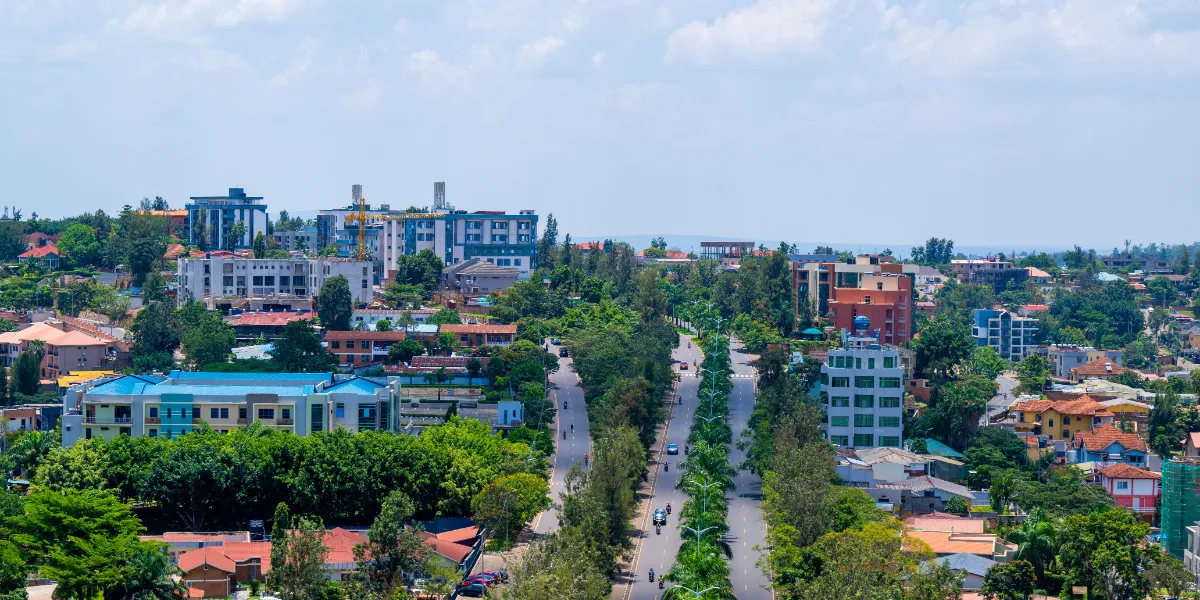
Heading to Kigali for the Africa Fintech Summit? Here’s Where to Work
The Africa Fintech Summit starts Nov 18 in Kigali. Best coworking spaces for summit week: locations, prices, WiFi speeds, and power info.
17 November 2026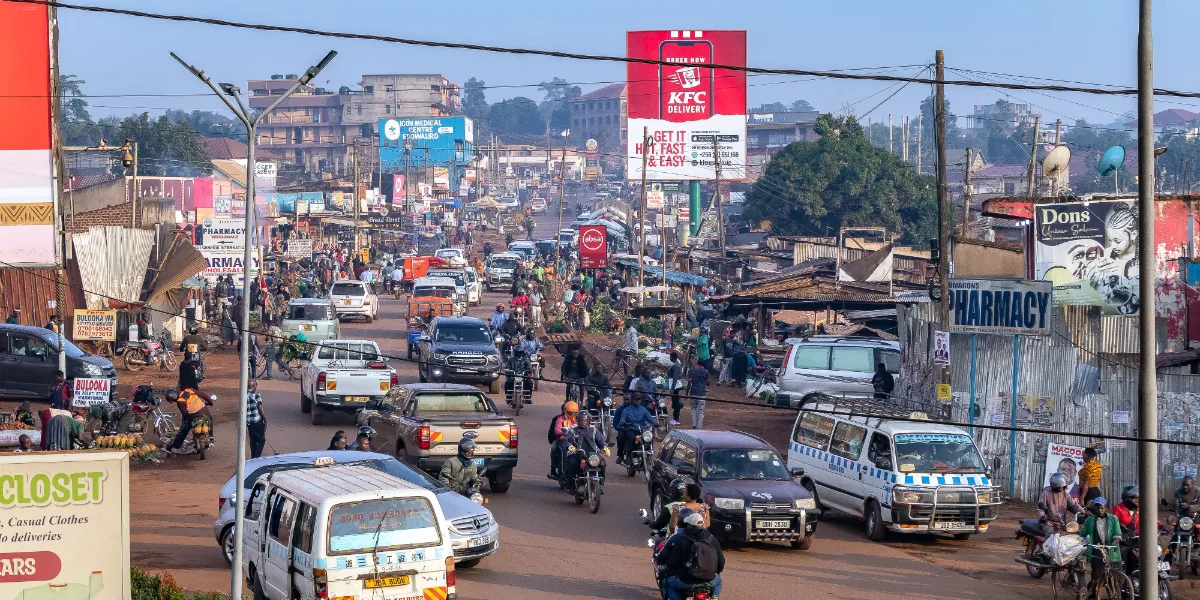
Digital Nomad Guide to Kampala Uganda 2026
Coworking from $8/day, $94/month. Full guide to working remotely from Kampala, Uganda: costs, visa, internet, safety, and Kampala vs Kigali 2026.
17 November 2026
Coworking in Addis Ababa 2026: Real Spaces, Prices and Visa Guide
Where to work in Addis Ababa in 2026, confirmed coworking prices, internet after Safaricom’s 4G launch, and visa info for remote workers.
11 November 2026