Guide
Best Time to Visit Accra as a Remote Worker
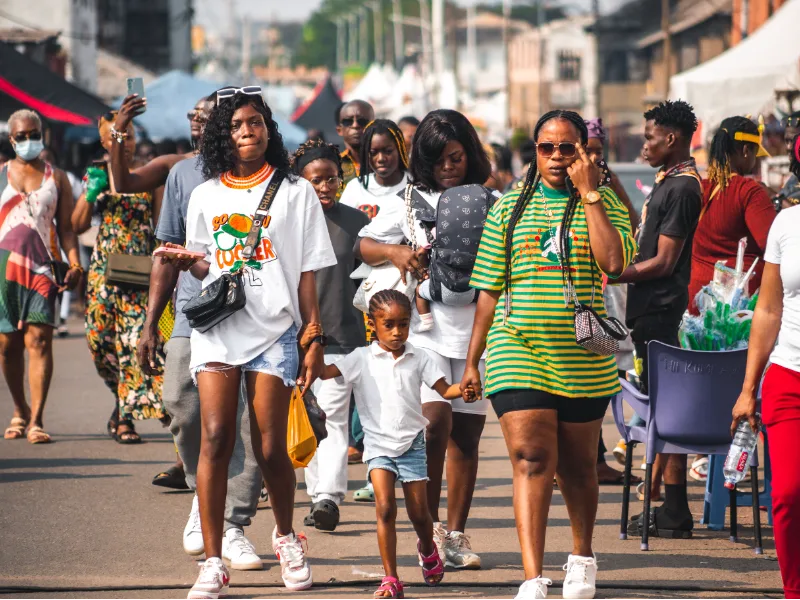
ACCRA is a 12-month destination with no winter, but timing your visit around the rainy season, local holidays, and event calendar changes your experience significantly. The city has 255 rain-free days per year and temperatures that sit between 23°C and 34°C year-round, so "bad weather" means heavy rain for 2 hours, not a cold snap. Whether you are planning a 2-month sprint or choosing which quarter to base yourself in ACCRA, this is what the calendar looks like for remote workers. At Zenvivas, we connect digital nomads and remote professionals with verified workspaces and local communities across Africa and the Middle East, and understanding ACCRA's seasonal rhythm helps you get the most from this city.
The Two Rainy Seasons
ACCRA has a tropical monsoon climate with two rainy seasons:
Major rainy season: April to July. June and July are the wettest months with 18 to 19 rainy days each. Streets flood during heavy downpours, traffic gets worse, and power outages increase. If you are working from home without generator backup, this is the hardest period.
Minor rainy season: September to November. Less intense than the major season (8 to 15 rainy days per month). Still wet enough to carry a rain jacket daily.
Dry season: December to March. This is the best time for remote work. 4 to 6 rainy days per month, lower humidity, and the Harmattan wind from the Sahara brings haze but cooler mornings (20°C to 24°C) in January and February.
Month-by-Month Guide for Remote Workers
January to February: Peak dry season, Harmattan haze. Cooler mornings (20°C to 24°C), comfortable for outdoor work. Low hotel and Airbnb prices. This is the sweet spot for remote workers.
March: Warming up (28°C), still dry. Good working month. Prices start to rise toward peak season (February to May is ACCRA's peak tourism period).
April to May: Rain begins. 10 to 14 rainy days per month. Prices peak because of international visitors timing around Easter and spring holidays. Coworking spaces get busier.
June to July: Heaviest rain. 18 to 19 rainy days. Some street flooding. Power outages more frequent. The worst months for home-based remote work. Coworking with generator backup is worth the money here.
August: Brief dry spell between rainy seasons. Good for a mid-year visit.
September to October: Minor rainy season. Moderate rain. Off-season pricing (lower rents and Airbnb rates). The best value-for-money months.
November: Rain tapering off. 8 rainy days. Good transition month.
December: Dry season begins. December in ACCRA has energy: Ghanaian diaspora returns for the holidays, restaurants and clubs are full, and the city feels alive. Prices rise for holiday accommodation.
Events Worth Timing Your Visit Around
CHALE WOTE STREET ART FESTIVAL (August, JAMESTOWN): ACCRA's biggest art and culture festival. Free street performances, installations, and community events across JAMESTOWN. Draws international artists and visitors. If you are in ACCRA in August, this is worth a day.
AFROCHELLA (now rebranded as AFRO FUTURE, December): Music festival drawing major African and international artists. December in ACCRA is party season, similar to LAGOS's Detty December but with a different flavour; more Afrobeats, amapiano, and highlife.
INDEPENDENCE DAY (March 6): National holiday. Government offices and banks close. Good cultural experience if you are in town.
HOMOWO FESTIVAL (August to September): Traditional Ga festival in ACCRA. Cultural parades and feasting. Unique to ACCRA and something you will not see in any other Zenvivas city.
Accra vs Nairobi vs Cape Town: When to Be Where
For remote workers splitting time between African cities, here is the seasonal logic:
January to March: ACCRA (dry season, cheap, comfortable) or CAPE TOWN (summer, stunning weather).
April to July: NAIROBI (mild weather, no major rain disruption) while ACCRA floods.
August: ACCRA (brief dry spell, CHALE WOTE festival).
September to November: NAIROBI (short rains manageable) or ACCRA (off-season value).
December: ACCRA (holiday energy, diaspora season) or CAPE TOWN (peak summer).
QUICK FACTS
Best months for remote work: January to March (dry season, Harmattan, lowest prices)
Worst months: June to July (heavy rain, flooding, power outages increase)
Best value months: September to October (off-season pricing, moderate rain)
Rain-free days per year: 255
Temperature range: 23°C to 34°C year-round
Key events: CHALE WOTE (August), AFRO FUTURE (December), HOMOWO (August to September)
Climate type: Tropical monsoon
Best for: Remote workers who time their stay for January to March (dry season) or September to October (off-season value). ACCRA works year-round but the rainy season adds friction.
Watch out for: June and July flooding can shut down roads and knock out power for extended periods. If you must be in ACCRA during peak rainy season, choose a coworking space with generator backup and an apartment on higher ground.
Last updated: November 2026
FAQ
What is the best time to visit Accra as a remote worker in 2026?
January to March is the best period. ACCRA's dry season brings only 4 to 6 rainy days per month, cooler Harmattan mornings (20°C to 24°C), lower humidity, and the cheapest accommodation rates outside December holiday pricing. Power outages are less frequent during dry months, which makes home-based remote work more reliable. For budget visitors, September to October offers off-season pricing with moderate rain (8 to 15 rainy days). As of November 2026.
Does it rain a lot in Accra?
ACCRA has 255 rain-free days per year, so most days are dry. The major rainy season runs April to July (18 to 19 rainy days in June and July), and a minor rainy season from September to November (8 to 15 rainy days). When it rains, it is heavy and fast, typically lasting 1 to 3 hours rather than all day. The main impact on remote work: flooding disrupts traffic and power outages increase during the heaviest months. For comparison, NAIROBI's long rains (March to May) are milder, and CAPE TOWN's winter rain (June to August) is a different pattern entirely. As of November 2026.
What events happen in Accra for digital nomads?
CHALE WOTE STREET ART FESTIVAL (August, JAMESTOWN) is ACCRA's biggest cultural event, free and open to all. AFRO FUTURE (formerly Afrochella, December) is the major music festival drawing international acts. HOMOWO FESTIVAL (August to September) is a traditional Ga celebration unique to ACCRA. For tech events, STARTUP GRIND ACCRA and TECH SAFARI pop-ups run throughout the year. December is ACCRA's highest-energy month as Ghanaian diaspora returns for the holidays. As of November 2026.
How does Accra's climate compare to Nairobi and Cape Town?
ACCRA is hotter and more humid year-round (23°C to 34°C, tropical monsoon) with two rainy seasons. NAIROBI sits at altitude and is cooler (14°C to 26°C) with more comfortable working temperatures but dustier air. CAPE TOWN has distinct seasons with a cool, rainy winter (June to August, 10°C to 17°C) and a dry, warm summer (December to February, 25°C to 30°C). For remote work comfort, NAIROBI wins on temperature, CAPE TOWN on seasonal variety, and ACCRA on consistency: you always know it will be warm. As of November 2026.