Guide
Best Time to Visit Lagos as a Remote Worker
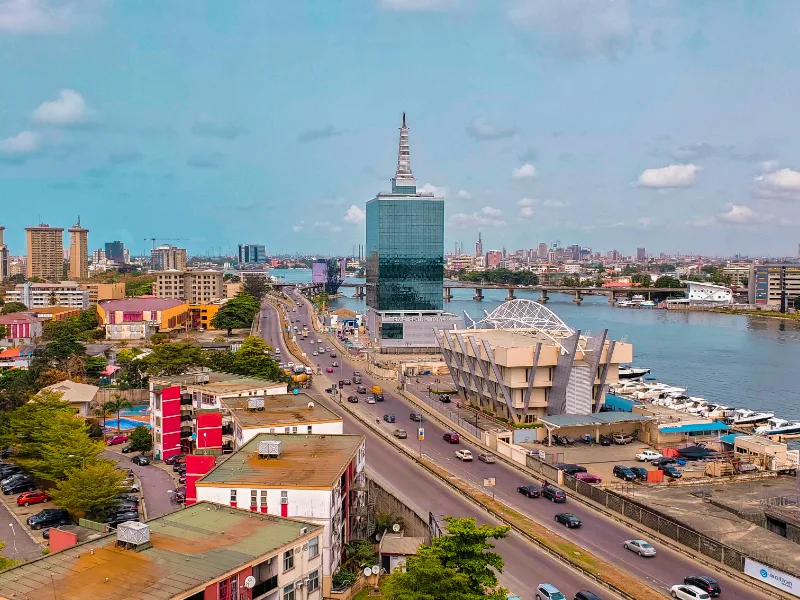
Lagos does not have a bad season for remote work, but it absolutely has better ones, and the difference between getting it right and getting it wrong is the difference between dry-season rooftop coworking and sitting in a flooded Uber on LEKKI-EPE EXPRESSWAY watching your laptop battery drain. The city runs year-round, the coworking spaces never close, and the food scene does not take holidays. But weather, events, and energy supply shift dramatically by month, and that matters when your income depends on being online. At Zenvivas, we connect digital nomads and remote professionals with verified workspaces and local communities across Africa and the Middle East, and understanding Lagos's seasonal rhythm is one of the first things we tell every remote worker considering this city.
The Two Seasons: Dry and Wet
Lagos has two seasons, and they define everything.
The dry season runs from November through March. Temperatures sit between 27C and 33C (81F to 91F). Humidity drops, skies clear, and the harmattan wind blows dry dusty air down from the Sahara between December and February. January gets as little as 8mm of rain. This is when Lagos is at its most liveable for remote workers: stable power (generators run less), fewer traffic disruptions, and outdoor spaces actually usable.
The rainy season runs from April through October, with the heaviest months being June and July (June averages 200mm of rainfall). There is a brief dry break in August called the "August break" that lasts two to three weeks, giving a window of lighter rain before September picks up again. During peak rainy season, flooding is a real operational risk. In July 2026, severe flooding crippled major parts of Lagos, with LEKKI PHASE 1, VICTORIA ISLAND backstreets, AJAH, SURULERE, and APAPA among the worst-hit areas. Roads become impassable, commutes triple in length, and power outages increase.
Month-by-Month for Remote Workers
November (Best Month to Arrive)
The rains taper off, prices have not yet spiked for December, and the city's social calendar kicks into gear. LAGOS FASHION WEEK, ARTXLAGOS, and MASTERCARD RESTAURANT WEEK all run in October and November. Temperature: 27C to 32C. This is when we tell first-time Lagos remote workers to land.
December (Peak Season, Peak Energy)
Detty December is Lagos's signature cultural moment. The city fills with diaspora visitors, international artists, and energy that no other African city matches at this time of year. In December 2026, Detty December Fest returns for 13 days (December 18 to 30) at the Detty December Village with two stages; the 2025 debut drew over 40,000 people. Flytime Fest runs December 22 to 24 at EKO CONVENTION CENTRE with Latto, A Boogie Wit da Hoodie, and Sexyy Red confirmed. Davido headlines the NATIONAL THEATRE December 17 to 19. Expect higher accommodation prices (20 to 40% above normal), crowded restaurants, and a city that does not sleep. If you can work mornings and socialise evenings, December is unforgettable. If you need quiet focus time, skip it.
January to February (The Sweet Spot)
Post-Detty December. The crowds thin, prices drop, the weather stays dry and clear, and the harmattan brings cooler mornings (as low as 22C some days). Lagos City Marathon falls in February. This is the ideal window for deep-focus remote work: good weather, affordable accommodation, and a city that has caught its breath. Power supply is at its most reliable. Internet speeds tend to be stable because network congestion drops after the holidays.
March (Hot but Manageable)
The hottest month in Lagos, with average highs hitting 33C (91F). The harmattan has passed, humidity starts creeping back, but rain has not arrived yet. Air conditioning becomes non-negotiable in your workspace. Still a solid month for remote work if you can handle the heat. Afropolitan Vibes music sessions run monthly at the MURI OKUNOLA PARK on VICTORIA ISLAND.
April to May (Transition)
The rains begin. April starts light but May is fully wet and muggy; May is muggy 100% of the time according to weather data. GTCO FOOD AND DRINK FESTIVAL and GIDI CULTURE FESTIVAL both run in April, giving you a last burst of outdoor events before the heavy rains set in. If you are arriving in April, budget for backup power (a coworking space with inverter and generator is essential, not optional).
June to July (Avoid if Possible)
The wettest months. June averages 200mm of rain. July 2026 saw flooding so severe that the government warned of 12 more weeks of heavy rain to follow. LEKKI, AJAH, and low-lying parts of VICTORIA ISLAND flood regularly during high tide combined with heavy rainfall. For a remote worker, this means: cancelled meetings because your Uber cannot get to you, power outages lasting hours, and internet disruptions when base stations flood. If you must be in Lagos during these months, stay in higher-elevation areas of IKOYI or upper LEKKI, and ensure your coworking space has inverter plus diesel generator backup.
August (The Break)
The "August break" gives two to three weeks of lighter rain and drier skies. Schools close, traffic eases noticeably, and the city feels calmer. A good window for getting work done if you are already in Lagos, but not worth a special trip.
September to October (Late Rains, Building Momentum)
Rain continues through September but lightens in October. Lagos Fashion Week and GTB Fashion Weekend in October mark the return of Lagos's social energy. October is a solid arrival month if you want to settle in before the dry season social calendar begins.
Lagos vs Nairobi and Cape Town: Seasonal Comparison
Nairobi's best months for remote work are January to March and July to October, with the long rains in April and May disrupting commutes. Cape Town peaks December to February (summer) but that is also peak tourist pricing. Lagos's sweet spot, November to February, overlaps with Nairobi's short rains (October to December) and Cape Town's high season, meaning you could do Cape Town's summer (December to February), Lagos's dry season (November to March), and Nairobi's dry season (July to October) in a single year and always be in the best window.
For events, Lagos's December blows both cities away. Nairobi has nothing equivalent to Detty December, and while Cape Town has a lively December, Lagos's concentration of Afrobeats, nightlife, and cultural energy is unmatched on the continent.
For avoiding weather disruption, Cape Town wins: its rain is winter (June to August) and rarely floods. Nairobi's rain causes traffic chaos but not the infrastructure-level flooding Lagos sees in June and July. Lagos requires more weather planning than either city.
Tech Events Worth Timing Your Visit Around
Moonshot by TechCabal (October 28 to 29, 2026, NATIONAL THEATRE, Lagos): Africa's fastest-growing tech conference, now in its fourth year. The 2025 edition drew 6,000 attendees from 39 countries. Theme for 2026: "Courage and Conviction: Building for a New World." Side events and mixers run all week. If you are a remote worker in tech, this is the networking event to build your Lagos visit around.
Lagos Startup Week typically runs in the second or third quarter. Check local tech media (TechCabal, TechPoint Africa, Disrupt Africa) for 2026 dates.
Afropolitan Vibes at MURI OKUNOLA PARK, VICTORIA ISLAND, runs monthly and mixes live Afrobeats with a creative crowd that includes a significant remote worker and tech contingent.
QUICK FACTS
Best months for remote work: November to February (dry season, stable power, lower prices outside December)
Best single month to arrive: November (rains ending, prices pre-peak, social calendar starting)
Months to avoid: June and July (heaviest flooding, power disruptions, 200mm+ rainfall)
Harmattan season: December to February (dry, dusty, cooler mornings down to 22C)
Hottest month: March (average high 33C / 91F)
Detty December 2026: December 17 to 30, multiple venues including Detty December Fest (13 days), Flytime Fest (EKO CONVENTION CENTRE, Dec 22 to 24), Davido at NATIONAL THEATRE (Dec 17 to 19)
Key tech event: Moonshot by TechCabal, October 28 to 29, 2026, NATIONAL THEATRE (6,000+ attendees)
December price premium: 20 to 40% above normal for accommodation
Best for: Remote workers who want Africa's biggest cultural calendar alongside stable working conditions during dry season
Watch out for: June and July flooding can shut down entire neighbourhoods in LEKKI and VICTORIA ISLAND for hours. If you arrive during rainy season, choose accommodation on higher ground and confirm your workspace has generator backup.
Last updated: November 2026
FAQ
What is the best month to visit Lagos as a remote worker in 2026?
November is the best single month to arrive. The rainy season is ending, accommodation prices have not yet spiked for Detty December, and the social calendar is picking up with LAGOS FASHION WEEK and ARTXLAGOS. Temperatures sit around 27C to 32C with low rainfall. For the best overall window, November through February gives you dry weather, stable power and internet, and access to the city's peak cultural season. January and February are especially good for focused work: post-holiday calm, harmattan-cooled mornings, and the lowest prices of the dry season.
When is Detty December in Lagos and is it worth visiting as a remote worker?
Detty December 2026 runs roughly December 17 to 30, with the main events being Detty December Fest (13 days, December 18 to 30, two stages at the Detty December Village, the 2025 debut drew 40,000+ attendees), Flytime Fest (December 22 to 24 at EKO CONVENTION CENTRE, with Latto and Sexyy Red confirmed), and Davido at the NATIONAL THEATRE (December 17 to 19). It is worth visiting if you can structure your work around mornings and socialise evenings. Expect accommodation to cost 20 to 40% more than normal. If you need uninterrupted deep-focus work, January is better.
What months should remote workers avoid in Lagos?
June and July are the worst months for remote work in Lagos. June averages 200mm of rainfall, and July 2026 saw severe flooding across LEKKI PHASE 1, VICTORIA ISLAND, AJAH, SURULERE, and APAPA. Flooding causes road closures, extended power outages, and internet disruptions when mobile base stations go underwater. If you must be in Lagos during these months, stay in higher-elevation parts of IKOYI or upper LEKKI, and ensure your coworking space has both inverter and diesel generator backup. September is also wet but less disruptive than June and July.
How does Lagos compare to Nairobi and Cape Town for seasonal timing?
Lagos's best remote work window is November to February (dry season), Nairobi's is January to March and July to October (between the two rainy seasons), and Cape Town's is October to March (summer). Lagos has the strongest event calendar of the three cities, especially in December, but also carries the highest weather risk during its rainy season. Cape Town has the mildest weather disruption (winter rain only, no flooding). Nairobi sits in between: its April and May long rains disrupt traffic but rarely cause the infrastructure-level flooding Lagos experiences. A remote worker could rotate all three cities and always be in the optimal season, spending December to February in Lagos, July to October in Nairobi, and October to March in Cape Town. All comparisons current as of November 2026.
Are there tech events worth timing a Lagos visit around in 2026?
Moonshot by TechCabal (October 28 to 29, 2026, NATIONAL THEATRE, Lagos) is the flagship event: Africa's fastest-growing tech conference with 6,000+ attendees from 39 countries in 2025. The 2026 theme is "Courage and Conviction: Building for a New World." Side events and mixers run all week, making it the best single networking moment for remote workers in tech. Afropolitan Vibes runs monthly at MURI OKUNOLA PARK on VICTORIA ISLAND and draws a creative and tech crowd. GTCO FOOD AND DRINK FESTIVAL in April is another anchor event. Check TechCabal and TechPoint Africa for updated 2026 dates on Lagos Startup Week.