Guide
Cost of Living in Lagos for Remote Workers in 2026
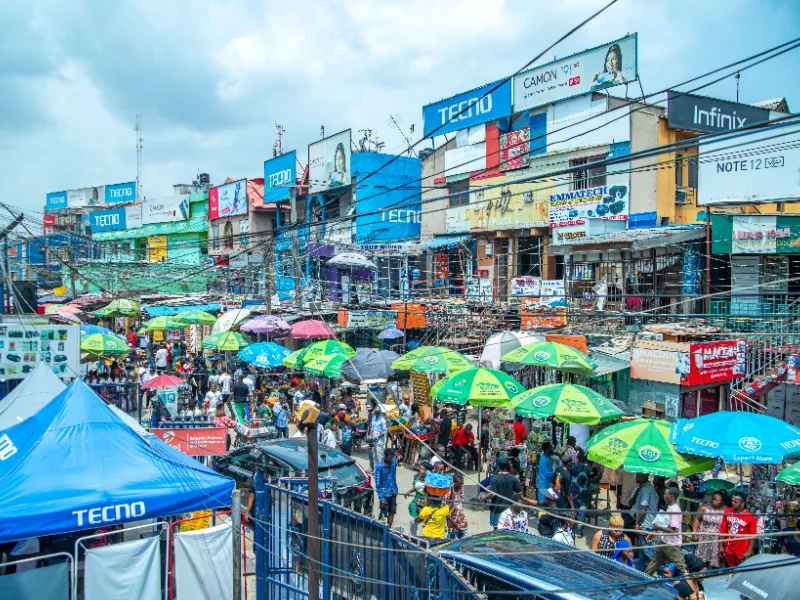
Lagos is the most expensive city in West Africa for remote workers, but it is still dramatically cheaper than London, Dubai, or New York. Whether you are a freelancer stretching a dollar-denominated income, a startup founder bootstrapping on savings, or a salaried remote employee relocating for a year, this is what your money actually buys in Lagos in 2026. At Zenvivas, we connect digital nomads and remote professionals with verified workspaces and local communities across Africa and the Middle East, and Lagos's combination of low base costs and high earning potential in USD or EUR is one of the reasons this city made our list.
What a Monthly Budget Actually Looks Like
We will cut straight to it. A single remote worker in Lagos spends between ₦900,000 and ₦1,700,000 per month ($667 to $1,260) depending on neighbourhood and lifestyle. That covers rent, food, transport, internet, and basic entertainment. If you are earning in USD or EUR, Lagos is one of the best value-for-money cities on the continent. For comparison, a similar lifestyle in Nairobi runs $900 to $1,500, and Cape Town sits at $1,200 to $2,000. Lagos wins on food costs and loses on rent in prime areas, where prices have surged since 2022.
Rent: The Biggest Variable
Rent is where Lagos gets tricky. Nigerian landlords typically demand one to two years upfront, which is a massive cash outlay even if the monthly rate looks reasonable. Here is what you are looking at in 2026:
VICTORIA ISLAND: A studio runs ₦375,000 to ₦667,000/month ($278 to $494). A one-bedroom goes for ₦625,000 to ₦1,250,000/month ($463 to $926). This is the expat hub with the most walkable amenities and nightlife.
IKOYI: The priciest neighbourhood. A one-bedroom runs ₦1,000,000 to ₦1,500,000/month ($741 to $1,111). Two-bedroom apartments average ₦17.25 million/year ($12,778/year or $1,065/month), up from ₦8 million in 2022.
LEKKI PHASE 1: The sweet spot for many remote workers. Studios and one-bedrooms run ₦350,000 to ₦600,000/month ($259 to $444). Two-bedrooms go for ₦600,000 to ₦950,000/month ($444 to $704). Average annual rent for a two-bedroom hit ₦10 million in 2026, the highest in five years.
YABA: The tech neighbourhood with the cheapest rents on the Island side. Expect ₦250,000 to ₦500,000/month ($185 to $370) for a decent one-bedroom. The trade-off is noisier streets and older buildings.
For short stays (one to three months), serviced apartments and Airbnbs dodge the upfront problem but cost 30 to 50% more per month. We recommend Lekki Phase 1 as the best balance of price, safety, and lifestyle for most remote workers.
Food: Where Lagos Gets Cheap
This is where your budget breathes. A meal at a local bukka (street restaurant) costs about ₦5,000 ($3.70). A mid-range dinner for two runs ₦67,000 ($50). Monthly groceries for one person land between ₦200,000 and ₦400,000 ($148 to $296) depending on how much imported food you buy. The rule is simple: eat local and your food bill stays under ₦250,000/month. Load up on imported cheese, wine, and specialty items from Shoprite or Spar in LEKKI and that number doubles fast. Open-air markets like LEKKI MARKET and OYINGBO MARKET are where locals shop and prices are 40 to 60% less than supermarkets for produce, fish, and spices.
Transport: Budget for Ride-Hailing
Lagos traffic is legendary, and your transport choice shapes both your budget and your sanity. Bolt and Uber are the go-to apps, with typical fares running about ₦70 per kilometre plus ₦12 per minute. A 30-minute ride across LEKKI to VICTORIA ISLAND can cost ₦3,000 to ₦6,000 ($2.20 to $4.40) depending on surge pricing and traffic. InDrive is often cheaper for longer routes, with fares you negotiate directly. The BRT bus system uses a Cowry Card (₦400 to load) and single trips cost about ₦1,000 ($0.74), but routes are limited. Budget ₦60,000 to ₦120,000/month ($44 to $89) for transport if you rely on ride-hailing three to five times per week.
Internet and Utilities
Broadband (60 Mbps or faster) costs about ₦48,000/month ($36). Most remote workers also carry a mobile data plan at ₦20,000/month ($15) as backup because power cuts take the router down. Speaking of power, electricity, water, and waste for an 85 sqm flat average ₦151,000/month ($112), but that number hides the real cost: generator fuel or inverter battery maintenance adds ₦30,000 to ₦80,000/month depending on your building's setup. Total utilities plus internet: budget ₦250,000 to ₦300,000/month ($185 to $222).
The Hidden Costs Nobody Warns You About
Three things catch new arrivals off guard. First, the CAUTION FEE (security deposit) on apartments, usually one year's rent on top of your upfront payment. Second, diesel and generator costs in buildings without reliable inverter systems. Third, the social tax: Lagos runs on going out, and declining invitations means missing the networking that makes the city valuable. Budget ₦50,000 to ₦100,000/month ($37 to $74) for social activities, or you will feel isolated.
Neighborhood Cheat Sheet
LEKKI PHASE 1 — Best value for remote workers. One-bedrooms from ₦350,000/month ($259). Growing coworking scene, supermarkets, and restaurants. 20 to 40 minutes from VI depending on traffic.
VICTORIA ISLAND (VI) — Expat central. Studios from ₦375,000/month ($278). Walkable to restaurants, bars, and coworking. Most expensive food and nightlife in the city.
YABA — Tech hub with the lowest rents on Lagos Island. One-bedrooms from ₦250,000/month ($185). CCHUB, Semicolon, and most developer meetups. Noisier, grittier, younger.
IKOYI — Premium living. One-bedrooms from ₦1,000,000/month ($741). Quiet, tree-lined streets, embassy crowd, and Ikoyi Club 1938. Overkill for most nomads unless your budget is large.
IKEJA — Mainland business district near the airport. More affordable at ₦200,000 to ₦400,000/month for a one-bedroom ($148 to $296). Corporate coworking from Regus. Long commute to Island attractions.
SURULERE — Budget mainland option. One-bedrooms under ₦200,000/month ($148). Limited coworking and nightlife, but authentic Lagos living.
QUICK FACTS
Single remote worker monthly budget: ₦900,000 to ₦1,700,000 ($667 to $1,260)
Best value neighbourhood: Lekki Phase 1 (one-bedroom from ₦350,000/month / $259)
Local meal (bukka): ₦5,000 ($3.70)
Mid-range dinner for two: ₦67,000 ($50)
Monthly groceries (one person, mostly local): ₦200,000 to ₦250,000 ($148 to $185)
Broadband internet: ₦48,000/month ($36)
Ride-hailing budget: ₦60,000 to ₦120,000/month ($44 to $89)
Exchange rate used: ₦1,350 = $1 USD (official NFEM rate, November 2026)
Best for: Remote workers earning in USD/EUR who want big-city energy at African prices
Watch out for: Upfront rent (one to two years) is the biggest barrier to entry. Negotiate or use serviced apartments for shorter stays.
Last updated: November 2026
FAQ
How much does it cost to live in Lagos as a remote worker in 2026?
A single remote worker can live comfortably in Lagos for ₦900,000 to ₦1,700,000 per month ($667 to $1,260), covering rent in a one-bedroom in LEKKI PHASE 1 or VICTORIA ISLAND, food, transport, internet, and social activities. The lower end assumes a Lekki apartment at ₦350,000/month and mostly local eating. The higher end covers a VI one-bedroom and regular dining out. This range is current as of November 2026.
Is Lagos cheaper than Nairobi or Cape Town for remote workers?
Lagos is cheaper than Cape Town but roughly comparable to Nairobi. A single remote worker's monthly budget in Lagos runs $667 to $1,260, versus $900 to $1,500 in Nairobi and $1,200 to $2,000 in Cape Town as of 2026. Lagos wins on food costs (a local meal is ₦5,000 / $3.70, versus KES 500 / $3.80 in Nairobi) but loses on rent transparency: Nigerian landlords demand one to two years upfront, while Nairobi and Cape Town typically require one to two months deposit.
How much is rent in Lagos for a one-bedroom apartment in 2026?
It depends entirely on neighbourhood. YABA starts at ₦250,000/month ($185), LEKKI PHASE 1 at ₦350,000/month ($259), VICTORIA ISLAND at ₦625,000/month ($463), and IKOYI at ₦1,000,000/month ($741). Most landlords require one to two years paid upfront. Serviced apartments and Airbnbs cost 30 to 50% more monthly but skip the upfront burden. Rents have risen sharply since 2022, with Ikoyi two-bedrooms more than doubling from ₦8 million to ₦17.25 million annually.
What are the hidden costs of living in Lagos?
Three costs catch remote workers off guard. First, the CAUTION FEE (security deposit), usually equal to one year's rent, paid on top of your upfront rent. Second, generator and diesel costs of ₦30,000 to ₦80,000/month ($22 to $59) in buildings without modern inverter systems, because grid power is unreliable. Third, mobile data backup at about ₦20,000/month ($15) because WiFi goes down with power outages. These can add ₦100,000 to ₦200,000/month ($74 to $148) to your budget beyond rent and food. All figures are as of November 2026.
Can you live in Lagos on $1,000 a month in 2026?
Yes, but it requires discipline. At ₦1,350,000/month ($1,000), you can afford a one-bedroom in LEKKI PHASE 1 (₦350,000), eat mostly local food (₦200,000), cover transport (₦60,000), internet and utilities (₦250,000), and have about ₦90,000 ($67) left for social activities. You will not be living luxuriously, but you will be comfortable, well-fed, and connected. Drop below $700/month and you are looking at flatshares on the mainland, which is doable but removes you from the Island tech scene.