Guide
Education and Family in Nairobi
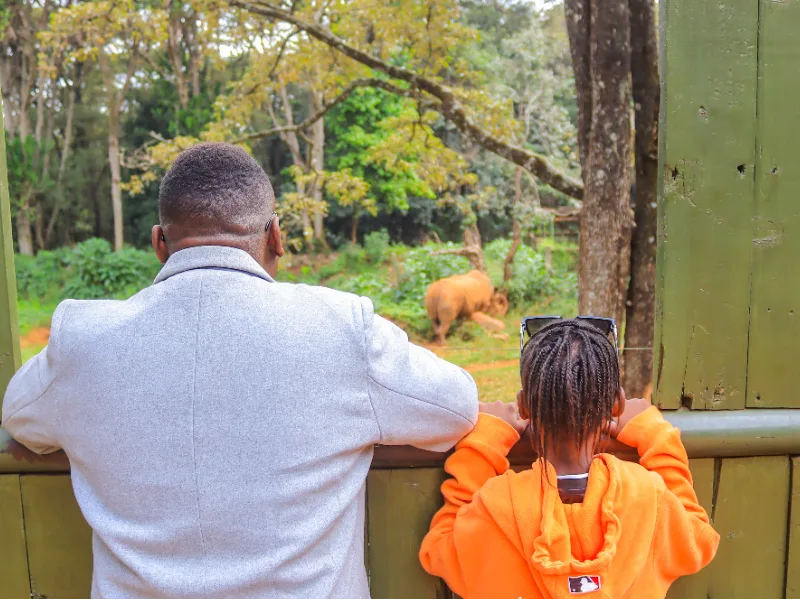
Nairobi is the strongest city in East Africa for expat and nomad families, and the education options prove it. Whether you are enrolling your kids in an international school, setting up a homeschooling routine while you work remotely, or looking for weekend activities that give the whole family a reason to explore, this is what you need to know about education and family life as a remote worker in Nairobi. At Zenvivas, we connect digital nomads and remote professionals with verified workspaces and local communities across Africa and the Middle East, and Nairobi’s depth of family infrastructure is one of the reasons this city made our list.
International Schools: Budget to Premium
Nairobi has one of the densest concentrations of international schools in Africa, driven by the city’s large UN, NGO, and diplomatic community. The range runs from about $9,700 to over $37,000 per year, so there is genuinely something at every budget level.
Budget tier: BRAESIDE SCHOOL in LAVINGTON (Muthangari Road) charges approximately KES 1,260,000 ($9,700) per year for Years 1 to 6. It is a solid entry point for families who want an English-medium education without premium pricing.
Mid-range tier: BRAEBURN SCHOOL on GITANGA ROAD in LAVINGTON follows the National Curriculum of England and Wales. Annual tuition runs about KES 2,250,000 ($17,300) for Years 1 to 6. HILLCREST INTERNATIONAL SCHOOL in KAREN offers IGCSE and A Levels at approximately KES 2,530,000 ($19,500) for primary years, with a BTEC diploma pathway in Sixth Form.
Premium tier: INTERNATIONAL SCHOOL OF KENYA (ISK) is the flagship. IB curriculum, kindergarten through Grade 12, with annual tuition around KES 4,230,000 ($32,540) for Grades 1 to 5, climbing to $37,330 for Grades 11 to 12. New entrants from Grade 1 pay a one-time capital levy of $11,000. ISK is the school most embassy and UN families choose.
All figures are for the 2026 to 2027 academic year and exclude lunch, transport, uniforms, and extras. Confirm directly with each school, as fees change annually and waiting lists at premium schools can run 6 to 12 months.
Homeschooling and Online Learning: The Nomad Family Option
Homeschooling is legal in Kenya under the Basic Education Act 2013. Families must register with the Ministry of Education and follow an approved curriculum (CBC or the older 8-4-4 system). Many expat and nomad families blend the Kenyan CBC with international curricula like IGCSE through hybrid models.
The homeschooling community in Nairobi is active and growing. Parents form co-ops to share tutors, organize field trips, sports, and group activities. HOMESCHOOL AFRICA serves as a hub connecting families across the city and offers structured curricula and assessment tools. KOA ACADEMY, featured in The Star in early 2026, is pushing structured online schooling that works particularly well for families who move between cities.
WOLSEY HALL OXFORD and CAMBRILEARN are two international online school options with active Nairobi student communities. Both offer Cambridge-accredited curricula that nomad kids can continue from any country.
For families who want some structure without full school fees, ELIMUHUB in Nairobi offers tutoring, homeschool consultation, and hybrid scheduling. They also run coding classes for kids, which taps into Nairobi’s tech ecosystem in a way most cities cannot offer.
Childcare and Daycare: What It Costs
Daycare costs in Nairobi vary sharply by neighborhood. In premium areas like LAVINGTON, KAREN, KILIMANI, UPPER HILL, and PARKLANDS, daily rates can reach KES 3,000 ($23) per day. Budget options in outer neighborhoods run KES 200 to 500 ($1.55 to $3.85) per day.
As a rough guide: expect KES 300 to 1,000 ($2.30 to $7.70) per day across the city, with the higher end in expat-heavy neighborhoods. Monthly costs at mid-range centers in KILIMANI or LAVINGTON run approximately KES 15,000 to 30,000 ($115 to $230).
Hiring a full-time nanny (locally called an “ayah”) is common and affordable. Expect to pay KES 15,000 to 30,000 ($115 to $230) per month depending on experience and whether they live in. Many expat families combine a part-time nanny with daycare for flexibility. Ask your landlord or neighbors for referrals; word of mouth is how most families find reliable childcare in Nairobi.
Tips for choosing: visit at different times of day. Check how staff interact with children (they should be on the floor playing, not sitting at desks). Ask about meal menus. Prioritize engaged caregivers over fancy equipment.
Weekend Activities: Where Nairobi Shines for Families
This is where Nairobi genuinely stands apart from almost every other city on the Zenvivas map. No other African city puts wildlife this close to a coworking space.
NAIROBI NATIONAL PARK is minutes from the CBD. A half-day game drive with giraffes, lions, rhinos, and hippos, right next to a skyline. Four of the Big Five are here (no elephants). Best at dawn; book a guide who picks you up early.
DAVID SHELDRICK WILDLIFE TRUST sits next to the national park. Watch orphaned baby elephants and rhinos being bottle-fed. Visiting hours are 11am to 12pm daily, and advance reservations are mandatory. Kids are mesmerized.
GIRAFFE CENTRE in LANGATA lets children hand-feed Rothschild giraffes from an elevated platform. Simple, unforgettable, and done in under an hour. Combine it with a Sheldrick visit for a full morning.
KARURA FOREST is a 1,000-hectare urban forest in the middle of the city with walking trails, waterfalls, and picnic spots. Entry is KES 100 for residents, KES 600 for non-residents. Safe, well-maintained, and a genuine escape from city noise.
NAIROBI NATIONAL MUSEUM in central Nairobi has a Hall of Mammals and evolution exhibits. Better for older kids (8+). The surrounding botanical garden is pleasant for younger ones.
MAJI MAGIC waterpark (about 45 minutes from the city center) is the go-to for hot weekends. Slides, pools, and a lazy river. Popular with Nairobi families on Saturdays.
BOMAS OF KENYA near LANGATA showcases traditional Kenyan village life, dance, and music. Good cultural context for kids who are learning about where they live.
Nairobi vs. Cape Town for Families
Both cities are strong for expat families, but the profiles differ. Cape Town has more polished public spaces, better beaches, and a wider range of outdoor activities (Table Mountain, Boulders Beach penguins, Kirstenbosch). Nairobi’s edge is wildlife accessibility and lower school fees. A mid-range international school in Nairobi costs roughly 30 to 40% less than an equivalent school in Cape Town. Childcare is significantly cheaper. Weekend activities in Nairobi lean toward nature and wildlife; Cape Town leans toward coast and mountains. Both have strong homeschooling communities and reliable internet for online learning.
Neighborhood Cheat Sheet
LAVINGTON — The top choice for school-age families. Walking distance or short drive to BRAESIDE, BRAEBURN, and several nurseries. PALLET CAFE for parent coffee breaks. Leafy, safe, with family-sized apartments from KES 80,000 ($615) per month.
KAREN — Premium, suburban, spacious. Home to HILLCREST INTERNATIONAL SCHOOL. Close to GIRAFFE CENTRE, DAVID SHELDRICK TRUST, and BOMAS OF KENYA. Best for families who drive and want a garden. Rent starts higher but space per shilling is better than Kilimani.
KILIMANI — More urban energy, good daycare options (KES 20,000 to 30,000/month range), walking distance to iHUB and NAIROBI GARAGE. Better for parents who want to combine coworking with childcare drop-off in one neighborhood.
KILELESHWA — Quieter residential feel with good nursery schools. Close to YAYA CENTRE for family shopping. Slightly lower rent than Kilimani for similar apartment quality.
LANGATA — Closest to NAIROBI NATIONAL PARK, GIRAFFE CENTRE, and DAVID SHELDRICK TRUST. More spread out, car-dependent, but unmatched for nature-loving families. Budget-friendlier rent.
WESTLANDS — More commercial, less family-oriented. Good for single-parent nomads who want coworking and childcare proximity. SARIT CENTRE and WESTLANDS SHOPPING CENTRE have play areas for younger kids.
QUICK FACTS
International school fees: KES 1,260,000 to 4,230,000/year ($9,700 to $32,540+)
Daycare (expat neighborhoods): KES 15,000 to 30,000/month ($115 to $230)
Full-time nanny: KES 15,000 to 30,000/month ($115 to $230)
Nairobi National Park game drive: Half-day, minutes from CBD
Giraffe Centre: Hand-feed giraffes, under 1 hour visit
Homeschooling: Legal under Basic Education Act 2013, co-ops active
Best family neighborhood: LAVINGTON (schools, safety, green spaces)
Best for: Families who want international-standard education at 30 to 40% below Cape Town prices, with world-class wildlife on weekends
Watch out for: Waiting lists at premium schools (apply 6 to 12 months ahead). School year runs January to November in Kenya, not September to June.
Last updated: November 2026
FAQ
How much do international schools cost in Nairobi in 2026?
Annual tuition ranges from about KES 1,260,000 ($9,700) at BRAESIDE SCHOOL in LAVINGTON to over KES 4,230,000 ($32,540) at the INTERNATIONAL SCHOOL OF KENYA. Mid-range options like BRAEBURN SCHOOL run approximately KES 2,250,000 ($17,300). These are tuition-only figures for the 2026 to 2027 year and exclude transport, lunch, and uniforms. ISK charges a one-time $11,000 capital levy for new entrants.
Is homeschooling legal in Kenya for expat families?
Yes. Homeschooling is permitted under the Basic Education Act 2013. Families must register with the Ministry of Education and follow an approved curriculum (CBC or 8-4-4). Many expat families use hybrid models blending CBC with IGCSE. Active co-ops in Nairobi share tutors and organize group activities. HOMESCHOOL AFRICA and ELIMUHUB are local resources for curriculum support.
How much does childcare cost in Nairobi in 2026?
Daycare in expat-friendly neighborhoods like KILIMANI, LAVINGTON, and KAREN runs KES 15,000 to 30,000 ($115 to $230) per month. Daily rates range from KES 300 to 1,000 ($2.30 to $7.70) depending on location. A full-time live-in nanny costs KES 15,000 to 30,000 ($115 to $230) per month. Word-of-mouth referrals from landlords and neighbors are the most reliable way to find childcare.
What family activities are there in Nairobi?
NAIROBI NATIONAL PARK offers half-day game drives with lions, giraffes, and rhinos minutes from the CBD. DAVID SHELDRICK WILDLIFE TRUST (11am to 12pm daily, advance booking required) lets kids watch orphaned elephants being fed. GIRAFFE CENTRE in LANGATA offers hand-feeding Rothschild giraffes. KARURA FOREST has 1,000 hectares of walking trails and waterfalls. MAJI MAGIC waterpark is the best option for hot weekends. No other Zenvivas city puts this much wildlife within a 30-minute drive of your coworking space.
Is Nairobi or Cape Town better for expat families in 2026?
Both are strong. Nairobi is 30 to 40% cheaper for international school fees and childcare. Weekend activities center on wildlife (NAIROBI NATIONAL PARK, GIRAFFE CENTRE, SHELDRICK TRUST). Cape Town offers better beaches, mountains, and more polished public spaces (Table Mountain, Kirstenbosch, Boulders Beach). Both cities have reliable internet, active homeschooling communities, and established international school systems. Nairobi wins on cost; Cape Town wins on outdoor variety.