Guide
Is Lagos Safe for Remote Workers? What You Need to Know
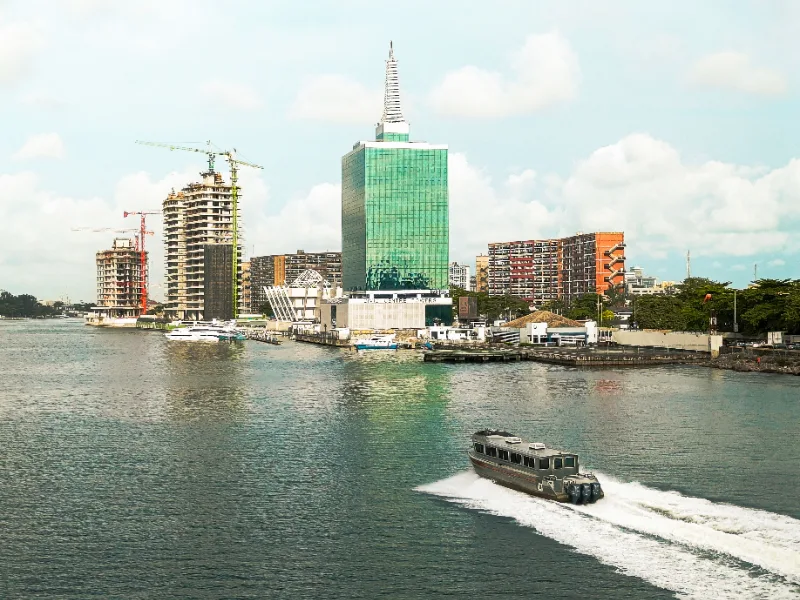
Lagos is not the city you read about in scare-piece travel forums, but it is not Lisbon either. It is a 17.8-million-person megacity with real energy, real opportunity, and real risks that require street sense, not paranoia. Whether you are weighing Lagos against safer-feeling alternatives like Cape Town, planning your first month on the ground, or just trying to figure out which neighborhoods to book in, this is the honest picture of safety for remote workers in Lagos in 2026. At Zenvivas, we connect digital nomads and remote professionals with verified workspaces and local communities across Africa and the Middle East, and Lagos's safety profile is something we lay out straight because your confidence on the ground directly affects your ability to work.
The Numbers: What the Data Actually Says
Lagos scores a 31.2 out of 100 on the Safety Index and a 68.8 out of 100 on the Crime Index, according to the Nigeria Risk Index and Numbeo Africa data from January 2026. That is slightly below the Nigerian national average of 33.8 for safety. For context, Nairobi sits in a similar range, and neither city's numbers tell the full story.
The Lagos Criminal Information System tracks over 75,000 cases across the state, and in 2025 the Lagos State Emergency Centre (LASEMA) recorded 12,483 emergency incidents. LEKKI, LAGOS ISLAND, and IKEJA account for over 27% of criminal cases filed in Lagos courts, though these are also the most populated commercial zones with the highest foot traffic.
Here is what matters for remote workers specifically: 70% of traffic-related robberies happen after 10 PM. The crimes that affect visitors and expats are overwhelmingly opportunistic, not targeted. Phone snatching from motorcycles, petty theft in crowded markets, and taxi scams are the realistic threats. Violent crime against foreigners in residential areas is rare.
Neighborhood Safety Breakdown: Where to Base Yourself
Not all of Lagos carries the same risk, and where you stay is the single biggest safety decision you will make.
IKOYI is the quietest and most secure residential area on Lagos Island. It hosts diplomatic missions, top private clinics, and the Ikoyi Club. Streets are well lit, security presence is visible, and gated compounds are the norm. This is where most long-stay expats end up. BANANA ISLAND, the ultra-premium enclave within Ikoyi, has 24/7 armed private security and requires pre-verified clearance from a resident to enter.
VICTORIA ISLAND is the commercial and social center. It is busier, louder, and more mixed than Ikoyi. The gated residential pockets are secure, but the main roads can get chaotic after dark. Fine dining, coworking, and nightlife are concentrated here. We recommend VI for remote workers who want to be in the middle of things and do not mind the energy.
LEKKI PHASE 1 is where most remote workers and younger expats end up. Gated residential streets, international schools, coworking spaces, and beach access. The balance of safety, lifestyle, and affordability is the best in Lagos for nomads. Some low-lying pockets have flood risk during rainy season (April to October), so choose your apartment carefully.
IKEJA GRA on the mainland has strong security infrastructure due to government presence. It is close to the airport and quieter than the Island neighborhoods. Good option if you are flying in and out regularly.
MAGODO (Phases 1 and 2) is one of the safest neighborhoods in Lagos for families. Strict visitor access control, quiet streets, and top-rated private schools. The trade-off is a long commute to the Island.
Areas Remote Workers Should Avoid
MUSHIN, AGEGE, AJEGUNLE, and parts of OSHODI are consistently flagged as high-crime areas. These are densely populated, low-income neighborhoods with limited security infrastructure. There is no reason for a remote worker to stay or spend significant time in these areas.
MAKOKO, the floating community, is a legitimate cultural site but should not be visited without a local guide. Night travel on isolated mainland roads, especially during traffic gridlock, carries real risk.
We are being direct here because vague "be careful" advice helps nobody. The neighborhoods listed above are specific, and the ones in the previous section are specific. Choose accordingly.
Getting Around Safely
Ride-hailing apps are your best friend in Lagos. BOLT is the dominant platform, with UBER also operating. A 2025 Ipsos report found that 81% of Nigerians consider ride-hailing safer than other transport modes. We agree. Always verify the driver's name, car model, and plate number before getting in. Share your trip with a contact.
Avoid okadas (motorcycle taxis) for safety reasons. They are fast and cheap, but accident rates are high and phone snatching from passengers is common. Keke napeps (tricycle taxis) are safer for short distances in some areas but are not available on the Island.
For airport transfers, pre-arrange your ride. Do not negotiate with drivers outside the terminal. Your accommodation or coworking space can usually arrange a trusted driver.
One rule we follow: keep your phone out of sight near roads. Motorcycle phone snatching is the most common petty crime affecting visitors in Lagos. Use your phone inside buildings, not while walking along a busy road.
Emergency Contacts and What to Do
Save these numbers before you land:
112: Nigeria's national emergency number (police, fire, ambulance, rescue). Toll free.
767: Lagos State emergency line (LASEMA). Connects you to the Lagos State Emergency Management Agency.
122: Federal Road Safety Corps, for road accidents.
Response times vary. For medical emergencies, private hospitals respond faster than the public system. If you are in IKOYI, VICTORIA ISLAND, or LEKKI, the private clinics in those areas are your best option. We cover healthcare in detail in our Lagos Health and Wellness topic.
Get travel insurance that covers medical evacuation before you arrive. This is not optional.
Lagos vs Nairobi and Cape Town for Safety
Compared to Nairobi, Lagos feels different rather than more or less dangerous. Nairobi's risks are more concentrated (certain neighborhoods after dark, certain routes). Lagos's risks are more diffused across the city but lower in intensity within the expat neighborhoods. Both cities reward street awareness and punish carelessness equally.
Cape Town is generally perceived as safer for nomads in the Southern Suburbs and City Bowl, but it has its own serious issues with property crime and car break-ins. Lagos's gated residential model in IKOYI and LEKKI PHASE 1 actually provides more physical security than most Cape Town apartments.
The honest answer: none of these cities are dangerous for remote workers who choose their neighborhood deliberately, stay aware after dark, and use ride-hailing instead of walking unknown routes at night.
Neighborhood Cheat Sheet
IKOYI — Safest residential area on Lagos Island. Diplomatic zone, gated compounds, visible security. Quiet at night. Premium pricing.
VICTORIA ISLAND — Safe in gated pockets, busy on main roads. Commercial hub with the most dining and nightlife options. Stay in a serviced apartment with security.
LEKKI PHASE 1 — Best safety-to-lifestyle ratio for remote workers. Gated streets, coworking spaces, cafes. Watch for flood-prone pockets in rainy season.
IKEJA GRA — Safest mainland option. Government security presence, close to airport. Quieter, more suburban feel.
MAGODO — Family-safe with strict access control. Long commute to Island but very secure residential environment.
BANANA ISLAND — Ultra-secure gated enclave within Ikoyi. Armed private security, pre-cleared entry. Premium pricing only.
QUICK FACTS
Safety Index: 31.2/100 (Crime Index: 68.8/100, January 2026)
Most common risk for remote workers: motorcycle phone snatching, petty theft in crowded areas
70% of traffic-related robberies occur after 10 PM
Safest neighborhoods: Ikoyi, Banana Island, Lekki Phase 1 (gated), Ikeja GRA, Magodo
Avoid: Mushin, Agege, Ajegunle, parts of Oshodi
Ride-hailing: Bolt (dominant), Uber. 81% of Nigerians rate ride-hailing as safer than alternatives (Ipsos 2025)
Emergency: 112 (national), 767 (Lagos LASEMA)
Best for: Remote workers who want a high-energy African megacity and are comfortable with street-smart urban living
Watch out for: Do not use your phone while walking near roads. Motorcycle phone snatching is fast, common, and targets everyone equally.
Last updated: November 2026
FAQ
Is Lagos safe for remote workers in 2026?
Lagos is safe for remote workers who choose their neighborhood deliberately and follow basic urban awareness rules. Neighborhoods like IKOYI, LEKKI PHASE 1, and IKEJA GRA have gated residential compounds, visible security, and low crime rates relative to the rest of the city. The Lagos Safety Index sits at 31.2 out of 100 as of January 2026, but that figure covers the entire megacity of 17.8 million people. Within the expat-friendly neighborhoods, the lived experience is significantly safer than the citywide number suggests.
What are the safest neighborhoods in Lagos for digital nomads?
IKOYI is the safest residential area on Lagos Island, with diplomatic-level security and gated compounds. LEKKI PHASE 1 offers the best balance of safety, lifestyle, and affordability for remote workers, with gated streets and coworking spaces nearby. IKEJA GRA on the mainland has strong government security presence and is close to the airport. BANANA ISLAND within Ikoyi has 24/7 armed private security and requires pre-cleared entry. As of 2026, all four neighborhoods have significantly lower crime rates than the Lagos average.
Is Lagos safer than Nairobi for remote workers?
The two cities carry different risk profiles rather than one being clearly safer. Nairobi's risks are more concentrated in specific neighborhoods and routes, while Lagos's risks are more diffused but generally lower in intensity within gated expat areas. LEKKI PHASE 1 and IKOYI in Lagos provide more physical security (gated compounds, 24/7 guards) than most residential options in Nairobi's KILIMANI or WESTLANDS. Both cities reward awareness and neighborhood choice equally. Neither is dangerous for prepared remote workers in 2026.
What scams should remote workers watch out for in Lagos?
The most common scams targeting foreigners in Lagos are fake taxi negotiations at the airport (always pre-arrange transfers), ATM assistance scams (use ATMs inside banks or hotels), inflated pricing for unmetered services, and rental scams for apartments that do not exist. Use BOLT or UBER instead of negotiating rides, verify rental listings through reputable agents or platforms like Zenvivas, and carry minimal cash. Phone snatching from motorcycles is not technically a scam but is the single most common petty crime affecting visitors in Lagos as of 2026.
What are the emergency numbers in Lagos?
Dial 112 for Nigeria's national emergency line covering police, fire, ambulance, and rescue. It is toll free. Dial 767 for the Lagos State Emergency Management Agency (LASEMA), which handles state-level emergencies including floods, fires, and building collapses. Dial 122 for the Federal Road Safety Corps if you are in a road accident. For medical emergencies, private hospitals in IKOYI, VICTORIA ISLAND, and LEKKI respond faster than public services. Save all three numbers before arriving in Lagos.