Guide
Moving to Lagos With Kids: Schools, Safety, and Family Life
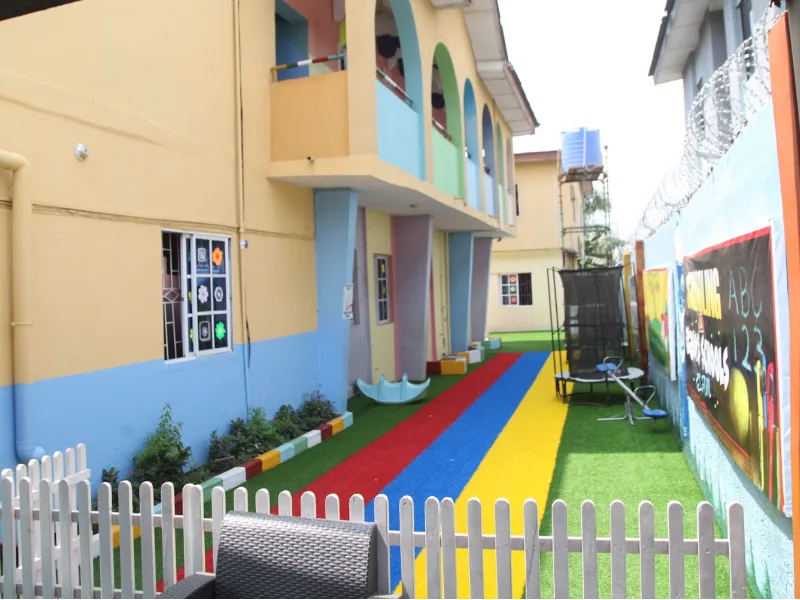
Lagos is not the first city most remote-working parents consider, and that is exactly why the families who do move here often have the place more figured out than the solo nomads. The schools are better than you expect, the domestic help is affordable, and the social infrastructure for expat families is surprisingly deep. Whether you are relocating for a year with a toddler, testing Lagos for a school term with primary-age kids, or considering secondary school options, this is the honest breakdown of what family life looks like for remote workers in Lagos in 2026. At Zenvivas, we connect digital nomads and remote professionals with verified workspaces and local communities across Africa and the Middle East, and Lagos's growing family infrastructure is one of the reasons we include it alongside cities like Nairobi and Cape Town.
International Schools: What They Cost and What You Get
Lagos has a well-established international school scene, mostly concentrated in LEKKI, IKOYI, and IKEJA. The curriculum is overwhelmingly British (IGCSE and A Levels), with a few schools offering IB and American options. Here is what the top tier looks like in 2026:
British International School Lagos (VICTORIA ISLAND): The flagship for expat families. British curriculum through IGCSE and A Levels, with boarding available. Tuition runs about $15,000 to $25,000/year for day students. Strong UK university placement track record.
Children's International School (CIS) (LEKKI): British primary and secondary plus IB Diploma in the senior years. Tuition ₦6 million to ₦14 million/year ($4,444 to $10,370). IB years sit at the top of that range. Diverse mix of Nigerian and international families.
Meadow Hall School (LEKKI): Nigerian-owned, British curriculum with local requirements baked in. Nursery through secondary. Tuition ₦4 million to ₦9 million/year ($2,963 to $6,667). Known for pastoral care and modern facilities.
Grange School (IKEJA): One of Lagos's oldest private schools, mainland location. English National Curriculum. Tuition ₦6 million to ₦12 million/year ($4,444 to $8,889). Large alumni network.
Lekki British School (LEKKI PENINSULA): British curriculum, day and boarding for older students. Tuition ₦5 million to ₦10 million/year ($3,704 to $7,407).
Fees are only the starting point. Add levies, deposits, bus transport (₦500,000 to ₦1,500,000/year), uniforms, and exam fees on top. Private nursery for younger children runs about ₦900,000/year ($667). International primary school tuition averages ₦25.3 million/year ($18,740) at the premium end, which rivals rent as your biggest family expense.
For comparison, international school fees in Nairobi run $5,000 to $20,000/year, and Cape Town $4,000 to $15,000/year. Lagos sits at the higher end for top-tier schools, but mid-range options like Meadow Hall and Lekki British School are competitive with Nairobi pricing.
Healthcare for Kids
Private healthcare is the only realistic option for expat families. Public facilities are underfunded and understaffed. The private hospitals expats use in Lagos include:
Lagoon Hospital (APAPA), 8 Marine Road. The most established name in Lagos private healthcare. Clean facilities, friendly doctors, but service quality described as "okay" rather than exceptional.
Paelon Memorial Hospital (VICTORIA ISLAND), 1221 Ahmadu Bello Way. Convenient location for VI and Ikoyi families.
Kelina Hospital (VICTORIA ISLAND), 7 Ologun Agbaje Street. Another VI option popular with expats.
St Nicholas Hospital (LAGOS ISLAND), 57 Campbell Street. Long-established private hospital.
Get comprehensive health insurance that covers international medical evacuation. This is not negotiable for families with children. For serious emergencies or specialist paediatric care, some families fly to Accra, Nairobi, or back to their home country. Budget $2,000 to $5,000/year for a family health insurance plan that includes evacuation cover.
Safety: The Family Perspective
Lagos is safe for families in the right neighbourhoods with the right precautions. LEKKI, IKOYI, and VICTORIA ISLAND are where most expat families live, and gated estates within these areas add another layer of security. Banana Island in Ikoyi is the most secure residential area in Lagos: gated, guarded, with large compounds and well-maintained streets. It is also the most expensive.
The real safety concerns for families are traffic (Lagos roads are aggressive; always use car seats and trusted drivers), petty theft in crowded areas (keep valuables out of sight), and flooding during heavy rains in June and July (some low-lying roads in LEKKI and VI flood badly). Avoid travelling through MUSHIN, AJEGUNLE, and IKORODU after dark.
Most expat families with children hire a driver (₦100,000 to ₦200,000/month / $74 to $148) and domestic help (₦50,000 to ₦150,000/month / $37 to $111 for a live-out nanny or housekeeper). This is standard, affordable, and genuinely makes Lagos family life manageable.
What Kids Actually Do in Lagos
Lagos has more family entertainment than most people expect. Kidcity Lagos opened in 2026 as a dedicated play, learning, and imagination space for families, drawing major attention at its launch. For older kids, Rufus & Bee in LEKKI has bowling, arcade games, and laser tag. Parks include Lekki Conservation Centre (canopy walkway, nature trails), Muri Okunola Park on VICTORIA ISLAND, and Johnson Jakande Tinubu Park. The beaches along LEKKI and ELEGUSHI are popular weekend family outings, though stick to private beach clubs with security rather than open public stretches.
For structured activities, most international schools run after-school clubs covering sports, music, and coding. Weekend football academies and swimming lessons are available across LEKKI and IKOYI. The expat family social scene is anchored by Lagos International Women's Society and Ikoyi Club 1938, both of which run family events and children's programmes.
The Family Budget: What It Actually Costs
A remote-working family of four in Lagos can expect to spend:
Rent (3-bedroom in Lekki): ₦600,000 to ₦950,000/month ($444 to $704)
School fees (1 child, mid-range international): ₦4 million to ₦10 million/year ($3,000 to $7,400/year, or $250 to $617/month)
Domestic help (driver + nanny/housekeeper): ₦150,000 to ₦350,000/month ($111 to $259)
Groceries (family of four): ₦280,000 to ₦400,000/month ($207 to $296)
Transport and fuel: ₦100,000 to ₦200,000/month ($74 to $148)
Utilities and internet: ₦250,000 to ₦350,000/month ($185 to $259)
Health insurance: ₦170,000 to ₦420,000/month ($125 to $311)
Entertainment and social: ₦100,000 to ₦200,000/month ($74 to $148)
Total: roughly ₦2,000,000 to ₦3,500,000/month ($1,481 to $2,593), excluding school fees paid annually.
For comparison, a family of four in Nairobi spends $2,000 to $3,500/month, and in Cape Town $2,500 to $4,500/month. Lagos is competitive, especially at the lower end, because domestic help and local food are cheaper.
Neighborhood Cheat Sheet
LEKKI PHASE 1 — The top pick for most expat families. Meadow Hall, CIS, and Lekki British School are all nearby. Gated communities, supermarkets, Shoprite, growing restaurant scene. 3-bedroom rents from ₦600,000/month ($444). The sweet spot of affordability and family infrastructure.
IKOYI — Premium family living. Closest to British International School Lagos (technically on VI but borders Ikoyi). Banana Island is the safest and most exclusive enclave. Ikoyi Club 1938 for family social life. 3-bedrooms from ₦1,500,000/month ($1,111). Best for high-budget families who want the quietest streets.
VICTORIA ISLAND — Close to hospitals (Paelon, Kelina), restaurants, and the business district. More of a working neighbourhood than a family one, but some families prefer the walkability. Watch out for flooding on certain streets during June and July.
IKEJA — Mainland option with Grange School nearby. Larger houses with gardens at lower rents. Ikeja City Mall for family shopping and entertainment. Long commute to Island schools and social scene.
QUICK FACTS
Mid-range international school fees: ₦4 million to ₦10 million/year ($3,000 to $7,400)
Premium international school fees: up to ₦25.3 million/year ($18,740)
Private nursery: ~₦900,000/year ($667)
Family of four monthly budget (excl. school fees): ₦2,000,000 to ₦3,500,000 ($1,481 to $2,593)
Best family neighbourhood: Lekki Phase 1 (3-bed from ₦600,000/month / $444)
Safest residential area: Banana Island, Ikoyi (gated, guarded, most expensive)
Domestic help: Driver ₦100,000 to ₦200,000/month; nanny ₦50,000 to ₦150,000/month
Health insurance with evacuation: $2,000 to $5,000/year for a family
Best for: Remote-working parents who want affordable domestic help, established international schools, and big-city energy for kids to grow up in
Watch out for: School fees are often paid per term upfront, and transport/levy costs can add 20 to 30% on top of tuition. Budget for the total, not just the headline number.
Last updated: November 2026
FAQ
How much do international schools cost in Lagos in 2026?
Mid-range international schools like Meadow Hall in LEKKI charge ₦4 million to ₦9 million/year ($2,963 to $6,667). Premium schools like British International School Lagos on VICTORIA ISLAND run $15,000 to $25,000/year. At the top end, international primary school tuition reaches ₦25.3 million/year ($18,740). Add bus transport (₦500,000 to ₦1,500,000/year), uniforms, levies, and exam fees. Most schools follow the British curriculum (IGCSE and A Levels), with CIS in Lekki also offering IB Diploma. All figures current as of November 2026.
Is Lagos safe for families with children?
Yes, in the right neighbourhoods. LEKKI, IKOYI, and VICTORIA ISLAND are where most expat families live, with gated estates adding extra security. Banana Island in Ikoyi is the most secure residential area in Lagos: gated, guarded, with large compounds. Most families hire a driver (₦100,000 to ₦200,000/month / $74 to $148) rather than navigating Lagos traffic themselves. Avoid MUSHIN, AJEGUNLE, and IKORODU after dark. The main family safety concerns are traffic (always use car seats), petty theft in crowded areas, and street flooding in June and July.
How does Lagos compare to Nairobi for families with kids?
Lagos has more school options and cheaper domestic help than Nairobi (a nanny costs ₦50,000 to ₦150,000/month in Lagos versus KES 25,000 to KES 50,000 / $190 to $380 in Nairobi). Nairobi has better healthcare infrastructure, more reliable power (less impact on daily family life), and a wider range of outdoor family activities due to its climate and proximity to national parks. School fees are comparable at the mid-range ($3,000 to $7,000/year in both cities). Lagos wins on domestic help affordability and school variety; Nairobi wins on healthcare and lifestyle ease. Both are viable for remote-working families as of 2026.
What is the best neighbourhood in Lagos for families?
LEKKI PHASE 1 for most families. It has the highest concentration of international schools (Meadow Hall, CIS, Lekki British School), gated communities, supermarkets, and growing family entertainment. 3-bedroom rents start at ₦600,000/month ($444). IKOYI is better if budget is not a concern and you want the quietest, safest streets (Banana Island), plus proximity to Ikoyi Club 1938 for family social life, but 3-bedrooms start at ₦1,500,000/month ($1,111). Both recommendations current as of November 2026.
Do I need a nanny or domestic help in Lagos with kids?
You do not need one, but nearly every expat family in Lagos has domestic help, and it makes a dramatic difference to quality of life. A live-out nanny or housekeeper costs ₦50,000 to ₦150,000/month ($37 to $111), and a driver costs ₦100,000 to ₦200,000/month ($74 to $148). For a remote-working parent, having a driver alone saves hours of daily stress in Lagos traffic and lets you focus on work during school hours. Hire through personal recommendations from other expat families or through Lagos International Women's Society, not from street adverts.