Guide
Nairobi Health and Wellness
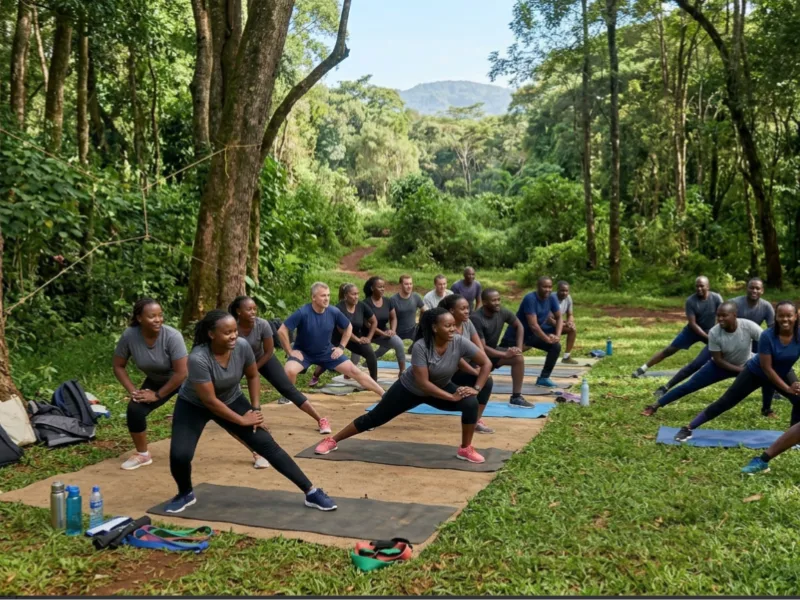
Nairobi has some of the best private healthcare infrastructure in East Africa, which matters more than most nomad guides admit. Whether you are looking for a reliable gym to keep your routine, need a doctor who speaks your language and takes walk-ins, or want to know what happens if you get sick three months into your stay, this is what you need to know about health and wellness as a remote worker in Nairobi. At Zenvivas, we connect digital nomads and remote professionals with verified workspaces and local communities across Africa and the Middle East, and Nairobi’s affordable private hospitals, growing fitness scene, and pharmacy access are a big part of why this city works for longer stays.
Private Hospitals That Actually Deliver
Nairobi’s private hospital network is the strongest in East Africa, and several facilities serve as referral centers for the entire region. A specialist consultation at a private hospital costs KES 3,000 to 10,000 ($23 to $77), and most accept walk-ins or same-day appointments.
THE NAIROBI HOSPITAL in UPPER HILL is the flagship. It handles everything from routine consultations (KES 4,000 to 5,000, or $31 to $38) to complex surgeries. It is the hospital most embassies and international organizations refer staff to.
AGA KHAN UNIVERSITY HOSPITAL in PARKLANDS is the other top-tier option. It is a teaching hospital with specialists across every major discipline, strong diagnostic imaging, and a 24-hour emergency department. An MRI starts at about KES 8,500 ($65).
MP SHAH HOSPITAL (also PARKLANDS), MATER HOSPITAL (SOUTH B), and KAREN HOSPITAL round out the private options. All have emergency departments and most have pharmacies on-site. For children, GERTRUDE’S CHILDREN’S HOSPITAL in MUTHAIGA is the go-to.
Avoid public hospitals for anything beyond a basic visit. KENYATTA NATIONAL HOSPITAL is the largest public referral hospital, but overcrowding and long wait times make it impractical for most nomads.
Health Insurance: What You Actually Need
Kenya announced a compulsory inbound health insurance requirement in 2026, mandating a minimum $50,000 cumulative benefit for all non-citizens staying under 12 months. The coverage must include at least $20,000 for medical expenses, $25,000 for emergency transport, and $1,000 for mental health treatment. Enforcement timing has not been confirmed, but plan as if it is active.
For digital nomads, SAFETYWING’s Nomad Insurance starts at around $45 per month and covers Kenya. It is the most popular option in the nomad community for a reason: monthly billing, no commitment, and solid emergency coverage. For those wanting local coverage, Kenyan private insurers like APA (from KES 8,900/$69 per year), AAR (KES 16,361/$126 per year), and JUBILEE (KES 21,316/$165 per year) offer plans that get you direct admission at most private hospitals without paying upfront. That direct-pay feature matters. Ask any insurer which hospitals they cover before buying.
Kenya also transitioned from NHIF to SHA (Social Health Authority) in 2024. Non-citizens with an alien ID card can register, contributing 2.75% of gross income with a minimum of KES 300 ($2.30) per month. But SHA’s outpatient benefit caps at just KES 900 ($7) per year, and it excludes private ward admissions. For a nomad, SHA alone is not enough. Treat it as a supplement, not your primary coverage.
Gyms and Fitness: Budget to Premium
Nairobi’s fitness scene has exploded. Monthly gym memberships range from KES 3,500 ($27) at budget facilities to KES 15,000 ($115) at premium centers, with the average sitting around KES 5,000 to 7,000 ($38 to $54) in neighborhoods like WESTLANDS and KILIMANI.
SMART GYM in NAIROBI offers monthly memberships from KES 3,500 ($27) and is popular with young professionals. For a more upscale experience, hotel gyms at places like the SAROVA STANLEY in the CBD offer day passes, typically KES 1,500 to 2,500 ($12 to $19).
Running is huge in Nairobi. The city sits at about 1,795 meters (5,889 feet) elevation, and Kenyans take their running culture seriously. KARURA FOREST in WESTLANDS is the most popular running spot for expats: 1,000 hectares of trails with a KES 600 ($4.60) entry fee. NAIROBI NATIONAL PARK’s perimeter paths and the running trails around UHURU GARDENS offer alternatives.
Yoga, Pilates, and the Wellness Scene
The wellness scene in Nairobi has grown significantly. SAKURA STUDIOS offers Pilates (reformer and mat), yoga (hatha, vinyasa, restorative, yin), aerial silk, and breathwork classes, with community classes on a sliding scale for accessibility. KANGA STUDIO in NAIROBI teaches yoga and movement classes popular with both locals and expats.
Wellness retreats around Nairobi are increasingly common, with options for sound healing, breathwork, and mental health focused programs. BOOKRETREATS lists several within an hour of the city. For therapy and mental health support, Nairobi has a growing number of licensed counselors and therapists who offer both in-person and virtual sessions, with rates typically starting around KES 3,000 to 5,000 ($23 to $38) per session.
Pharmacies and Medication Access
Nairobi’s pharmacy network is extensive and well-stocked. Chain pharmacies are found in every major shopping mall, and most common medications, including antibiotics, pain relief, allergy medication, and basic prescriptions, are available over the counter at lower prices than in Europe or North America.
The key thing nomads need to know: Nairobi itself sits at high altitude and is urbanized enough that the CDC does not generally recommend malaria prophylaxis for stays within central Nairobi. However, if you leave the city for safari, coastal trips to MOMBASA or MALINDI, or travel to western Kenya near LAKE VICTORIA, you will need antimalarials. Doxycycline and Malarone are available at Nairobi pharmacies.
One serious caution: counterfeit medications are a documented problem in Kenya. Buy only from established chain pharmacies in malls or from hospital pharmacies. Avoid loose pills from informal vendors.
Water and Food Safety
Tap water in Nairobi is treated but not reliably safe to drink. Every nomad should budget for bottled or filtered water. A 20-liter jerrycan of purified water costs about KES 200 to 350 ($1.50 to $2.70) delivered, and refill services like AQUAMIST and KERINGET are widely available. Most restaurants in WESTLANDS, KILIMANI, and KAREN use filtered water, but ask before assuming.
Nairobi’s food safety at established restaurants is generally good. The bigger risk is street food and kibandaski stalls in areas with limited refrigeration. If your stomach is not adapted to local food, start with cooked meals at established restaurants and ease into street food gradually.
NEIGHBORHOOD CHEAT SHEET
UPPER HILL — Home to THE NAIROBI HOSPITAL and multiple specialist clinics. This is the medical district. If you need regular specialist care, living nearby saves time.
PARKLANDS — AGA KHAN UNIVERSITY HOSPITAL and MP SHAH HOSPITAL are both here. Strong pharmacy and clinic infrastructure. The neighborhood also has a large Indian community with Ayurvedic and holistic health practitioners.
WESTLANDS — Best gym and fitness options. Home to KARURA FOREST for running. Multiple chain pharmacies in malls like SARIT CENTRE and WESTGATE. Growing wellness studio presence including SAKURA STUDIOS’ events.
KILIMANI — Mid-range gyms, yoga studios, and proximity to both UPPER HILL hospitals and WESTLANDS fitness options. Most popular nomad neighborhood with good pharmacy access.
KAREN — KAREN HOSPITAL for medical needs, GERTRUDE’S CHILDREN’S HOSPITAL in nearby MUTHAIGA. Quieter, greener, better air quality. Good for nomads prioritizing wellness and outdoor exercise.
SOUTH B — MATER HOSPITAL is the anchor. More affordable neighborhood with decent pharmacy access but fewer premium gym options.
CBD — Hotel gyms with day passes, multiple pharmacies, and close to UHURU GARDENS for running. Affordable but noisy and polluted compared to leafy suburbs.
QUICK FACTS
Private specialist consultation: KES 3,000 to 10,000 ($23 to $77)
GP/walk-in consultation: KES 2,000 to 4,000 ($15 to $31)
Monthly gym membership: KES 3,500 to 15,000 ($27 to $115)
Best budget gym: SMART GYM, from KES 3,500 ($27/month)
Best hospital: THE NAIROBI HOSPITAL (Upper Hill) or AGA KHAN UNIVERSITY HOSPITAL (Parklands)
Nomad insurance: SafetyWing from ~$45/month; local options from KES 8,900 ($69/year)
Malaria risk in central Nairobi: Low (CDC does not generally recommend prophylaxis for central city stays)
Best for: Nomads who want affordable private healthcare, altitude training, and a growing wellness scene
Watch out for: Counterfeit medications exist. Buy only from chain pharmacies in malls or hospital pharmacies, never from informal vendors.
Last updated: November 2026
FAQ
How much does a doctor visit cost in Nairobi in 2026?
A general consultation at a private hospital in Nairobi costs KES 2,000 to 5,000 ($15 to $38), and a specialist consultation runs KES 3,000 to 10,000 ($23 to $77). THE NAIROBI HOSPITAL in UPPER HILL charges around KES 4,000 to 5,000 ($31 to $38) for a standard consultation. Most private hospitals accept walk-ins and can schedule same-day appointments, which is a significant advantage over public facilities where wait times can stretch for hours.
Do I need health insurance to enter Kenya in 2026?
Kenya gazetted a compulsory health insurance requirement for non-citizens staying under 12 months, with a minimum $50,000 cumulative benefit including $20,000 for medical expenses and $25,000 for emergency transport. The rule was published in July 2026, though enforcement timing has not been confirmed. SAFETYWING’s Nomad Insurance (from ~$45/month) meets the coverage thresholds and is the most common choice among digital nomads in Nairobi. Local options from APA start at just KES 8,900 ($69) per year but may not meet the emergency transport minimum.
Do I need malaria pills in Nairobi?
For stays within central Nairobi, the CDC does not generally recommend malaria prophylaxis because the city sits at about 1,795 meters elevation and is heavily urbanized. However, if you plan to leave the city for safari, visit coastal areas like MOMBASA, or travel to western Kenya near LAKE VICTORIA, you will need antimalarials. Doxycycline and Malarone are available at chain pharmacies in Nairobi for less than you would pay in Europe or North America. Mosquito precautions (repellent, long sleeves in the evening) still matter everywhere.
Is Nairobi healthcare better than Accra for digital nomads in 2026?
Nairobi has a clear advantage in private hospital infrastructure. Facilities like AGA KHAN UNIVERSITY HOSPITAL and THE NAIROBI HOSPITAL serve as referral centers for all of East Africa, offering specialist care that would require medical evacuation from many other African cities. Private consultation fees in Nairobi (KES 3,000 to 10,000, or $23 to $77) are comparable to Accra’s private hospitals. Where Nairobi pulls ahead is in the number of specialists available, the strength of the pharmacy network, and the presence of international insurance acceptance at most facilities. Both cities have chain pharmacies, but Nairobi’s counterfeit medication problem requires more caution about where you buy.
How much does a gym membership cost in Nairobi in 2026?
Monthly gym memberships in Nairobi range from KES 3,500 ($27) at budget facilities like SMART GYM to KES 15,000 ($115) at premium centers. The sweet spot for most nomads is KES 5,000 to 7,000 ($38 to $54) per month at mid-range gyms in WESTLANDS or KILIMANI. Hotel gyms offer day passes for KES 1,500 to 2,500 ($12 to $19) if you do not want a monthly commitment. For runners, KARURA FOREST in WESTLANDS charges KES 600 ($4.60) per entry and offers over 1,000 hectares of trails at altitude, which is why the city attracts serious distance runners from around the world.