Guide
Safety and Security in Nairobi
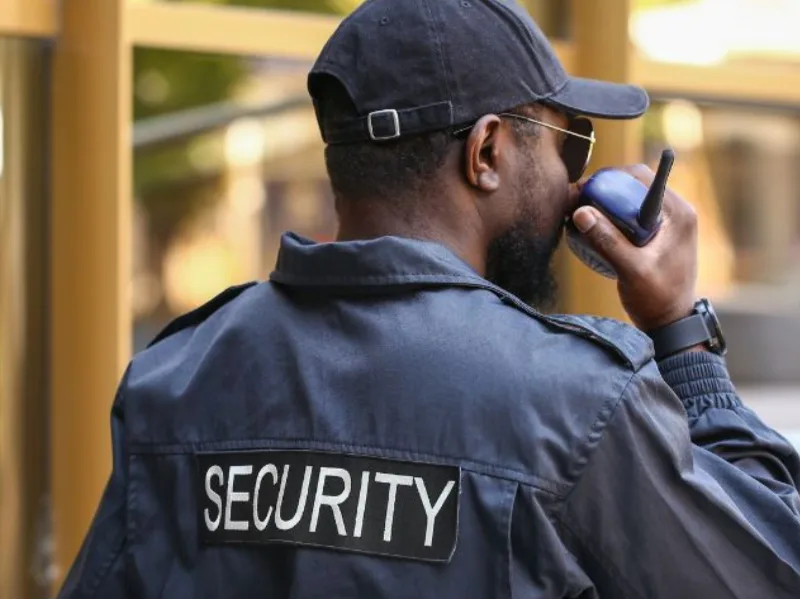
Nairobi is a city that rewards street smarts, not paranoia. Whether you are walking to a coworking space in KILIMANI, taking a ride-hail to a client dinner in WESTLANDS, or exploring weekend markets across town, this is what you need to know about staying safe as a remote worker in Nairobi. At Zenvivas, we connect digital nomads and remote professionals with verified workspaces and local communities across Africa and the Middle East, and Nairobi’s security landscape, which is improving but still requires awareness, is something every nomad needs to understand before landing.
How Safe Is Nairobi for Remote Workers in 2026?
Nairobi is safer than its reputation suggests, but it is not a city where you can drop your guard entirely. Kenya recorded 96,038 crimes in 2025, down 5.1% from the previous year. Murders fell 10.1% to 2,711 nationally, putting the rate at about 4.8 per 100,000, roughly two-thirds the US rate. Nairobi accounted for 10.4% of all recorded crime in Kenya between 2021 and 2025, the largest share of any county.
The US State Department rates Kenya at Level 2 (“Exercise Increased Caution”) as of July 2026. That is the same level as France, the UK, and Mexico. The advisory specifically flags crime, terrorism, and civil unrest as the main concerns. For context, Kigali in Rwanda is Level 1, and Lagos in Nigeria is also Level 2 but with more restrictive neighborhood warnings.
The honest take: most nomads in KILIMANI, WESTLANDS, KAREN, or LAVINGTON go months without any incident. The risks are real but manageable with basic awareness and a few habits that become second nature within your first week.
Which Neighborhoods Are Safest for Digital Nomads?
The neighborhoods where most remote workers live are also the safest in the city. KAREN is the quietest, with gated homes, private security patrols, and very low foot traffic. RUNDA and MUTHAIGA are where diplomats and senior expats live, heavily guarded and gated. GIGIRI, home to the UN compound and multiple embassies, is the most heavily policed neighborhood in Nairobi.
KILIMANI and KILELESHWA are the most popular nomad neighborhoods, balancing walkability with security. Both have street lighting, CCTV coverage, and active resident security committees. WESTLANDS is busier and more commercial, with more street activity after dark, but the main restaurant and nightlife strip around SARIT CENTRE and THE MALL is well-patrolled.
SPRING VALLEY, LAVINGTON, and LORESHO are residential, gated, and quiet. PARKLANDS has an active estate security committee and is safe during the day, though some side streets get quieter at night.
Areas the US Embassy Says to Avoid
The US State Department lists two Nairobi neighborhoods at Level 4 (“Do Not Travel”): EASTLEIGH and KIBERA. MATHARE and parts of the CBD are also flagged by multiple advisories.
EASTLEIGH (Nairobi’s Somali quarter) has excellent food but a higher crime profile and is associated with terrorism concerns. We covered it in our Food and Dining topic because the food is genuinely worth the trip, but go during the day, with a local, and do not carry visible electronics.
The CBD gets riskier after dark. During working hours it is busy and functional, but after 7 PM the streets empty and muggings increase, particularly around RIVER ROAD, TOM MBOYA STREET, and the matatu termini.
The practical rule: if you are living in KILIMANI, WESTLANDS, KAREN, or LAVINGTON and using ride-hail apps after dark, your risk profile is similar to most mid-tier global cities.
Common Scams That Target Foreigners in Nairobi
Six scams come up repeatedly in 2026 reporting, and knowing them eliminates most of the risk.
The fake police shakedown is the most common. Plain-clothes men claim to be undercover narcotics officers, accuse you of buying drugs based on a harmless earlier interaction, and demand cash on the spot. This happens most often in the CBD and WESTLANDS. The fix: insist on going to a police station and ask for the officer’s name and badge number. Real officers will comply. Scammers will walk away.
Matatu distraction theft targets commuters on shared minibuses near the CBD termini around RIVER ROAD and TOM MBOYA STREET. Someone causes a commotion while an accomplice opens your bag. Wear your backpack on your front, or better yet, use Uber or Bolt for any trip where you are carrying a laptop or valuables.
Safari booking fraud involves a stranger near a budget hotel offering a suspiciously cheap all-inclusive safari (around $150 for three days). You pay upfront and nobody shows up. Book only through operators registered with the Kenya Association of Tour Operators (KATO) and verify the registration number before paying.
Drink spiking happens in bars in the CBD and WESTLANDS. A friendly stranger buys you drinks, then suggests a second venue. Drinks may be spiked, and victims wake up robbed. Never leave your drink unattended and never follow a new acquaintance to a “better spot.”
The fake charity collector approaches with a laminated badge and photos of children, asking for about $20 cash. This runs near the CARNIVORE restaurant and on the airport road. Give only through verified organizations.
Market pressure buying at the MAASAI MARKET and CITY MARKET involves traders putting items on your wrist and refusing to take them back. Keep your hands in your pockets, choose one stall, and open at about 20% of the asking price.
Emergency Numbers You Need Saved in Your Phone
Save these before you land. Kenya’s public emergency response is slower than what you are used to, and private ambulance services are often faster.
Police: 999 or 112 (nationwide). Safaricom users can also dial 911.
Ambulance services (private, faster response):
Rescue.co: +254 110 929 011
E-Plus: 0700 395 395
St. John Ambulance: 020 221 0000
AMREF Flying Doctors (evacuation): 020 699 2299
Fire: 020 222 2181
Kenya Red Cross: 1199
Private ambulance services in Nairobi typically respond in 15 to 30 minutes, compared to 45 minutes or longer for public ambulances. If you have travel insurance through SafetyWing or World Nomads, confirm your policy covers private ambulance and evacuation before arrival.
Private Security and Your Accommodation
Most apartments and gated communities in KILIMANI, WESTLANDS, KAREN, and LAVINGTON come with 24-hour security guards, CCTV, and controlled access. This is standard, not a premium feature. When booking accommodation, confirm that security is included rather than assuming.
Kenya’s private security industry is one of the largest in Africa. Major firms include G4S Kenya, KK Security, and Securex. Many residential estates run their own security committees that coordinate patrols and share incident reports via WhatsApp groups. Ask your host or landlord to add you to the estate WhatsApp group when you move in.
If you are renting an Airbnb, check reviews specifically for security mentions. A guard at the gate and a perimeter wall are the minimum you want. Anything in a managed apartment complex in the nomad neighborhoods will have this.
Road Safety: The Biggest Actual Risk
More foreigners in Kenya are harmed in road accidents than by crime. This is not a figure of speech. The US embassy identifies traffic as a leading cause of injury and death for Americans in Kenya. Driving standards are inconsistent, matatus (minibuses) drive aggressively, and long-distance buses have serious accident rates linked to poor maintenance and speeding.
The rules that keep you safe: use Uber or Bolt instead of driving yourself. Avoid overnight bus travel. If you rent a car, do not drive at night outside Nairobi. Within the city, THIKA SUPERHIGHWAY and MOMBASA ROAD are the most accident-prone corridors.
Protests and Civil Unrest
Kenya has an active protest culture, and demonstrations can escalate quickly. In mid-2025, major protests over tax proposals shut down parts of the CBD and led to several embassies issuing security alerts. In April 2026, fuel price protests created further disruption.
When protests happen, the CBD is almost always the center. Stay out of the CBD on protest days, follow the US Embassy’s security alerts on X (Twitter), and monitor local news through the Citizen Digital app. Protests in KILIMANI, WESTLANDS, or KAREN are rare and typically limited to small gatherings that disperse quickly.
The practical pattern: protests are usually announced days in advance on social media. They peak between 10 AM and 4 PM. If you are working from a coworking space in WESTLANDS or KILIMANI, you will usually not be affected.
Neighborhood Safety Cheat Sheet
KAREN: Quietest and safest. Gated homes, private patrols, very low street crime. Far from the action, which is both the upside and downside.
KILIMANI: The most popular nomad neighborhood. Well-lit, CCTV coverage, resident security committees. Safe for walking during the day, use ride-hail after 9 PM.
WESTLANDS: Busier and more commercial. Safe around the main malls and restaurant strips. Side streets north of SARIT CENTRE get quieter at night; stick to well-lit routes.
GIGIRI: Diplomatic quarter. The most policed neighborhood in Nairobi. Safe but quiet and expensive.
LAVINGTON: Residential and gated. Very safe for families. Limited nightlife means fewer late-night risks.
PARKLANDS: Safe during the day with an active security committee. Some side streets get isolated at night.
CBD: Functional during business hours but avoid after dark. Matatu termini and RIVER ROAD area are the highest-risk zones.
QUICK FACTS
US travel advisory: Level 2, Exercise Increased Caution (same as France, UK, Mexico)
National crime trend: Down 5.1% in 2025
Safest nomad neighborhoods: Karen, Kilimani, Gigiri, Lavington
Police emergency: 999 or 112
Best private ambulance: Rescue.co (+254 110 929 011)
Biggest actual risk: Road traffic, not crime
Best for: Nomads comfortable in large African cities who want first-world security infrastructure (guards, CCTV, gated estates) at developing-world prices
Watch out for: The CBD after dark, matatu distraction theft, and fake police shakedowns. These three account for the majority of incidents that affect foreigners.
Last updated: November 2026
FAQ
Is Nairobi safe for digital nomads in 2026?
Yes, with basic precautions. Kenya recorded a 5.1% drop in crime in 2025, and the US State Department rates it Level 2, the same advisory level as France and the UK. Most remote workers live in KILIMANI, WESTLANDS, or KAREN, where gated compounds with 24-hour security guards are standard. The biggest risk for foreigners is road traffic, not violent crime.
Which Nairobi neighborhoods should remote workers avoid?
The US Embassy lists EASTLEIGH and KIBERA at Level 4 (“Do Not Travel”) as of July 2026. MATHARE and parts of the CBD are also flagged. The CBD is functional during business hours but empties after dark, especially around RIVER ROAD and TOM MBOYA STREET. Remote workers typically live in KILIMANI, WESTLANDS, KAREN, or LAVINGTON, none of which appear on any government avoid list.
Is Nairobi safer than Lagos for remote workers in 2026?
Both cities carry US Level 2 advisories, but Nairobi’s security infrastructure is more developed for expats. KILIMANI and WESTLANDS in Nairobi have widespread CCTV, gated residential compounds, and active estate security committees, which are less common in Lagos neighborhoods like LEKKI and VICTORIA ISLAND. Kenya’s murder rate (4.8 per 100,000) is about a third of Nigeria’s. However, Lagos has a lower terrorism risk profile than Nairobi.
What emergency numbers should I save before arriving in Nairobi?
Save 999 or 112 for police (Safaricom users can dial 911). For faster ambulance response, save Rescue.co at +254 110 929 011 or E-Plus at 0700 395 395. Private ambulances in Nairobi typically arrive in 15 to 30 minutes, compared to 45 minutes or longer for public services. AMREF Flying Doctors at 020 699 2299 handles medical evacuations. Kenya Red Cross is available at 1199.
What are the most common scams targeting foreigners in Nairobi in 2026?
The most reported scam in 2026 is the fake police drug shakedown, where plain-clothes men claim you bought drugs and demand cash. This happens mainly in the CBD and WESTLANDS. Other common scams include matatu distraction theft near RIVER ROAD, safari booking fraud near budget hotels (always verify KATO registration), and drink spiking in CBD and WESTLANDS bars. These scams target tourists and new arrivals, and knowing the patterns eliminates most of the risk.