Guide
The 10 Gadgets That Actually Matter for Remote Work in Africa
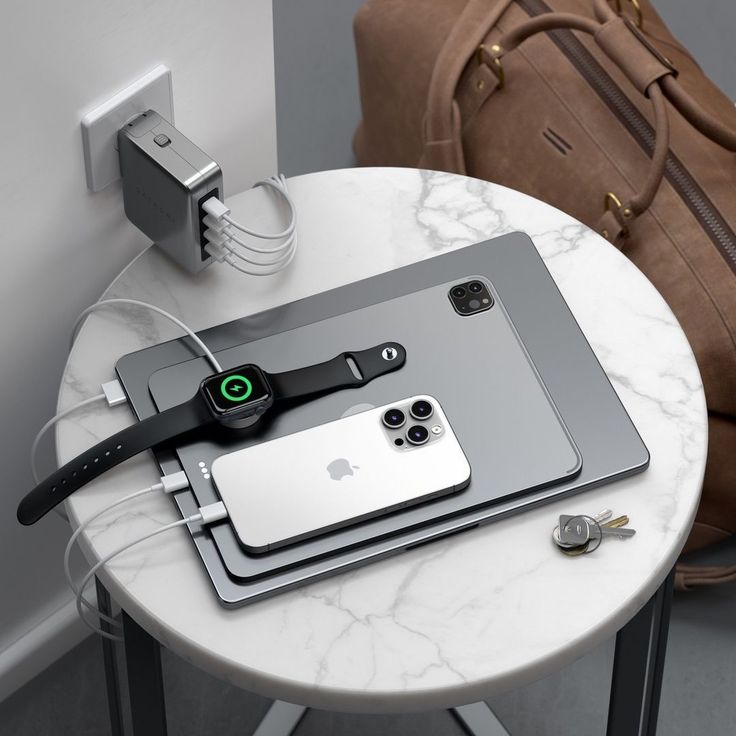
Every "digital nomad gear list" on the internet recommends the same products for the same reasons and none of them mention that your laptop power bank is not a convenience in LAGOS, it is the difference between making your 3pm client call and staring at a dead screen during a generator changeover. The gear you need for remote work in Africa overlaps with what you need anywhere, but the priorities are different. Power backup matters more than a webcam. A local SIM matters more than a portable WiFi hotspot. Noise-cancelling headphones matter more here than in a quiet Balinese villa because African coworking spaces and cafes run loud and energetic. This is the real list, ranked by what actually keeps you working on this continent. At Zenvivas, we connect digital nomads and remote professionals with verified workspaces and local communities across Africa and the Middle East, and we have tested what works and what collects dust across every city on our platform.
1. A Laptop Power Bank (Not Optional in Africa)
This is number one for a reason. In CAPE TOWN, load shedding still happens. In LAGOS, power outages are daily. In ACCRA, dumsor cycles knock out entire neighbourhoods. A laptop power bank is the single most important gadget you will carry on this continent.
What to look for: 25,000mAh minimum capacity (enough for one to two full laptop charges), 65W USB-C Power Delivery output (anything lower charges too slowly to work while plugged in), and multiple ports so you can charge your phone simultaneously.
The ANKER LAPTOP POWER BANK 25K is the best all-rounder: 25,000mAh / 90Wh, two built-in USB-C cables (one doubles as a carrying strap), a display showing remaining charge, plus a USB-A port. For higher wattage, the ANKER PRIME 26K delivers up to 140W per USB-C port (300W combined) but costs over $300 with the charging base. The LION ENERGY ECLIPSE MAG ($174, 27,000mAh / 99.9Wh, three wireless charging pads, 5-year warranty) is the best travel option at just under 100Wh, which keeps it airline-legal.
Budget: $80 to $300 depending on capacity and wattage. This is not the place to cut corners.
2. A Lightweight Laptop With All-Day Battery
Your laptop needs to survive a full workday without guaranteed wall power. That means 10+ hours of real battery life, not manufacturer claims.
The MACBOOK AIR M3 (from $1,099, 1.24kg, 15 to 18 hours battery) is the default recommendation for a reason: it runs silent (no fan), lasts all day, and handles everything short of heavy video editing. The DELL XPS 13 (from $999, 1.17kg) is the Windows equivalent with a similarly slim build. For more power, the MACBOOK PRO 14 M3 (from $1,599) handles video editing and development with 12 to 17 hours battery.
The Africa-specific advice: weight matters more here than in Europe because you will carry your laptop in your backpack through NAIROBI traffic, LAGOS markets, and MARRAKECH medina streets. Stay under 1.5kg. And buy a laptop sleeve with padding; African roads are bumpy and taxis are not gentle with bags.
3. Noise-Cancelling Headphones
African coworking spaces are social, loud, and full of energy. That is their charm. It is also the reason noise-cancelling headphones are a working tool, not a luxury.
The BOSE QUIETCOMFORT ULTRA (2nd gen, $449, 30 hours battery, 264g) has the strongest noise cancellation on the market in 2026 and folds flat for travel. The SONY WH-1000XM6 (~$500, 30 hours, 254g) is the runner-up with 12 ANC microphones and excellent comfort for all-day wear. For budget buyers, the SONY WH-CH720N ($100 to $150, 35 hours battery, 192g) delivers solid ANC at a third of the price, though it struggles in the loudest environments.
We recommend over-ear, not earbuds, for long work sessions. Earbuds cause ear fatigue after 3 to 4 hours. Over-ears last all day.
4. An eSIM-Compatible Phone (Or Dual SIM)
Forget portable WiFi hotspots. They are bulky, need charging, and perform worse than your phone's hotspot using a local SIM. What you actually need is a phone that supports eSIM or dual SIM so you can keep your home number active while running a local data SIM.
An AIRALO AFRICA eSIM covers 36 countries from $11 (1GB / 3 days) to $41 (5GB / 30 days). Install it before you land. Then buy a local SIM at the airport on arrival: MTN, SAFARICOM, or VODACOM data bundles cost $5 to $15 for 5 to 10GB depending on the country, and local 4G regularly outperforms coworking WiFi.
The combo of local SIM (primary data) plus eSIM (backup and roaming) plus coworking WiFi gives you three layers of connectivity. In Africa, redundancy is the strategy.
5. A Universal Power Adapter (With USB-C PD)
Africa uses at least four different plug types depending on the country:
Type G (UK-style, 3 rectangular pins): KENYA, NIGERIA, GHANA, TANZANIA, UGANDA
Type C (European 2-pin round): MOROCCO, SENEGAL, RWANDA, most of Francophone Africa
Type M (large 3-pin round): SOUTH AFRICA, NAMIBIA, MOZAMBIQUE
Type D/E (variants): EGYPT (Type C), MAURITIUS (Type G and C)
A universal adapter with built-in USB-C PD (Power Delivery) charging handles all of these plus charges your laptop directly. The EPICKA UNIVERSAL TRAVEL ADAPTER ($25 to $30, covers 150+ countries, multiple USB ports) is the standard choice. Carry two: one for your laptop, one for your phone and headphones. Adapters break or get left behind in hotel rooms more than any other item on this list.
6. A Portable SSD for Backup
Cloud backup depends on internet, and internet in Africa depends on power. When both go down at the same time (this happens in LAGOS and ACCRA), your local backup is what saves your work.
The SAMSUNG T7 PORTABLE SSD (from $80 for 1TB, $120 for 2TB, 58g, read speeds up to 1,050 MB/s) is small enough to live permanently in your laptop bag. Back up your working files at the end of every day. This is a habit, not a suggestion.
Cloud sync (Google Drive, Dropbox, iCloud) for everything that fits. Local SSD for the backup of the backup. In Africa, the two-backup rule is not paranoia; it is professionalism.
7. A Compact Webcam (Only If Your Laptop Camera Is Bad)
Most remote workers do not need a separate webcam. The MACBOOK AIR M3 camera is good enough for professional video calls. The DELL XPS 13 webcam is passable.
If your laptop camera is below 1080p or sits at an awkward angle (some ultrabooks put it at chin level), the LOGITECH STREAMCAM ($130, 1080p / 60fps, USB-C, compact) is the best travel-friendly option.
The more practical Africa advice: lighting matters more than camera quality. Natural light from a window behind your screen improves any camera dramatically. For early morning or evening calls across time zones, a small ring light ($15 to $30, clip-on, USB-powered) makes more difference than a $200 webcam.
8. A Compact Bluetooth Keyboard
This is for tablet users and anyone who works from their phone as a backup device. If you only use a laptop, skip this.
The LOGITECH K380 ($40, connects to 3 devices simultaneously, 2-year battery on AAA cells) is the standard. It turns an iPad or phone into a usable secondary workstation. Useful during power outages when your laptop is dead but your phone still has charge: type a reply, send a Slack message, keep the work moving.
9. A Travel-Sized Surge Protector
This one almost nobody mentions, and it matters more in Africa than anywhere else. Power surges and unstable voltage are common in LAGOS, ACCRA, and parts of NAIROBI. A surge can fry your laptop charger or, worse, your laptop itself.
A compact travel surge protector with 2 to 3 outlets and USB ports ($20 to $40) protects your gear and gives you extra charging spots. The ANKER 615 USB POWER STRIP ($26, 2 AC outlets, 3 USB ports, compact) works well. This is cheap insurance for expensive electronics.
10. An Ergonomic Travel Mouse
A trackpad works, but after 6 to 8 hours your wrist knows the difference. The MICROSOFT ARC MOUSE ($70, folds flat to 14mm for packing, Bluetooth) or the LOGITECH PEBBLE 2 ($30, quiet clicks, slim profile) both travel well and reduce wrist strain during long work days.
The Africa-specific note: coworking desks in NAIROBI, LAGOS, and KIGALI are often smaller than European standards. A compact mouse that works in a tight space matters. Full-sized gaming mice stay home.
QUICK FACTS
Most important gadget for Africa: Laptop power bank (25,000mAh minimum, 65W USB-C PD output)
Plug types by region: Type G (East/West Africa), Type C (Francophone Africa, Morocco), Type M (Southern Africa)
eSIM coverage: Airalo Africa eSIM covers 36 countries, $11 to $41
Budget for all 10 items: $600 to $1,500 depending on what you already own and quality level
Best laptop for Africa: MacBook Air M3 (from $1,099, 15 to 18 hours battery, 1.24kg, fanless)
Best noise-cancelling headphones: Bose QuietComfort Ultra 2nd gen ($449, 30 hours, strongest ANC in 2026)
Best budget headphones: Sony WH-CH720N ($100 to $150, 35 hours battery)
Best for: Remote workers packing for their first Africa trip who want to arrive with the right gear, not a bag full of things that do not solve Africa-specific problems
Watch out for: Do not skip the surge protector. Unstable voltage in LAGOS and ACCRA fries chargers and laptops. A $25 power strip can save a $1,000 repair.
Last updated: November 2026
FAQ
What is the most important gadget for remote work in Africa in 2026?
A laptop power bank. Power outages are a daily reality in LAGOS and ACCRA, and load shedding still occurs in CAPE TOWN. A 25,000mAh power bank with 65W USB-C Power Delivery output (like the ANKER LAPTOP POWER BANK 25K at 90Wh) gives you one to two full laptop charges, enough to work through a 4 to 6 hour outage. This is not a convenience item in Africa; it is the gear that keeps you employed during a blackout. Budget $80 to $300 depending on capacity. As of November 2026.
Do I need a portable WiFi hotspot for Africa?
No. Portable hotspot devices are outdated for Africa travel. Buy an AIRALO AFRICA eSIM before you land ($41 for 5GB / 30 days, covering 36 countries) and a local SIM at the airport on arrival ($5 to $15 for 5 to 10GB). Your phone's hotspot using local 4G outperforms dedicated hotspot devices across the continent. The key is redundancy: local SIM for primary data, eSIM for backup, coworking WiFi as your third layer. All three together cost less than a single portable hotspot device.
What plug adapter do I need for Africa?
Africa uses at least four plug types: Type G (UK-style) in KENYA, NIGERIA, GHANA, and TANZANIA; Type C (European) in MOROCCO, SENEGAL, RWANDA, and Francophone Africa; Type M (large 3-pin) in SOUTH AFRICA and NAMIBIA; and Type C variants in EGYPT. A universal adapter with built-in USB-C Power Delivery ($25 to $30, the EPICKA UNIVERSAL TRAVEL ADAPTER covers 150+ countries) handles all of these. Carry two: adapters break and get left in hotel rooms. As of November 2026.
How does the digital nomad gear list for Africa differ from Southeast Asia?
Three items matter more in Africa than in Bali or Thailand: a laptop power bank (power outages are rare in Southeast Asia but daily in West Africa), a surge protector (voltage instability can damage electronics in LAGOS and ACCRA), and noise-cancelling headphones (African coworking spaces run louder and more social than quiet Asian cafes). One item matters less: a portable WiFi hotspot, because local African SIMs and eSIMs outperform dedicated devices. The laptop, mouse, keyboard, and SSD recommendations are the same globally. Total gear budget for Africa: $600 to $1,500 versus $400 to $1,200 for Southeast Asia, with the difference mostly in the power bank and surge protector. As of November 2026.