Guide
Best Beaches for Remote Work in Asia: Where the Wi-Fi Actually Works
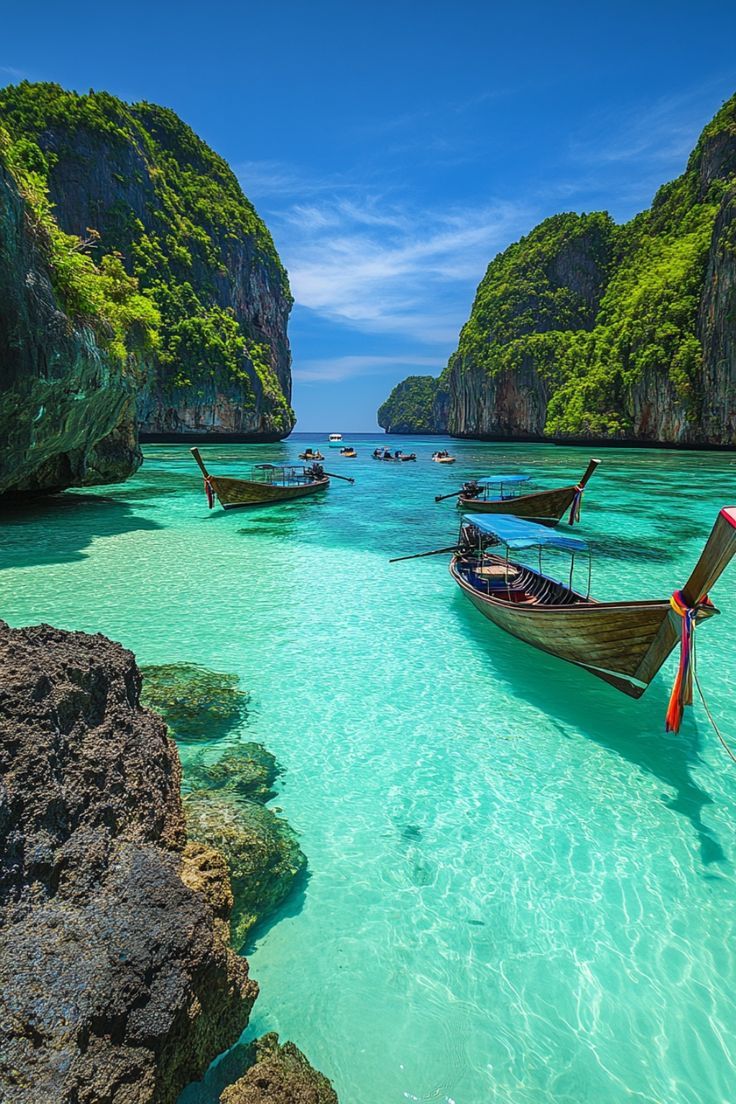
Not every beach in Asia is remote-work friendly. Here are 7 where the internet holds up, the costs make sense, and you can actually get something done.
Most articles about working from Asian beaches were written by people who spent three days in Bali and called it research. This one is different.
Some of these beaches have infrastructure that genuinely supports remote work. Others look beautiful in photos and will kill your productivity in a week. Here is the honest breakdown of each, what the internet situation actually is, what you will spend, and who each one is right for.
Canggu Beach, Bali, Indonesia
Canggu is the most overwritten beach in Asia for a reason — it works. The coworking scene here is real and dense. Dojo Bali sits five minutes from the shore. Speeds average 30 to 50 Mbps in most coworking spots, though beach cafes vary. Monthly cost for a working nomad including accommodation, food, and workspace runs $800 to $1,400 depending on how you live.
The honest caveat: Canggu is crowded now. If you arrived here expecting the quiet creative escape people described in 2019, that version is gone. What remains is a functional, well-connected base with a loud nightlife scene and a strong nomad community if that is what you need.
Best for: First-time nomads who want infrastructure and community before they figure out what they actually need.
White Beach, Boracay, Philippines
Boracay rebuilt its internet infrastructure after the 2018 government-mandated closure and the improvement is real. Station 1 and 2 have the most reliable connections. Beach cafes average 20 to 40 Mbps. Monthly budget lands around $700 to $1,100.
What nobody says out loud: Boracay is seasonal. From June to October, typhoon season hits, power cuts happen, and the idyllic beach turns grey and choppy. Plan your stay between November and May if productivity is the priority.
Best for: Nomads who want value, warm water, and a community that is smaller and less performative than Bali.
Kata Beach, Phuket, Thailand
Phuket has better connectivity than people expect. Kata specifically sits far enough from the Patong chaos that you can focus. Co-working cafes are scattered but present. Speeds run 25 to 50 Mbps. Monthly costs sit at $900 to $1,500.
The issue with Phuket broadly is that it attracts a tourist base that is not there to work. The nomad community is thinner here than in Chiang Mai or Bangkok. If you want a Thai base with proper infrastructure and community, Chiang Mai beats any Phuket beach. Kata works well as a one or two month reset, not a long-term base.
Best for: Nomads wanting a quieter, more affordable alternative to the north, with beach access.
Mirissa Beach, Sri Lanka
Mirissa is beautiful and genuinely underrated. It is also honest about its limitations: connectivity is inconsistent. Most beach cafes run 10 to 25 Mbps at best. If your work involves heavy video calls or large file transfers, plan around it. Monthly costs are low, around $600 to $900, which is part of the appeal.
The practical approach: treat Mirissa as a focused writing and thinking base, not a calls-heavy workspace. Pair it with a portable SIM from Dialog or Mobitel for backup.
Best for: Writers, strategists, and anyone whose work does not depend on real-time high-bandwidth connection.
Hoi An Beach, Vietnam
Hoi An is the rare place where the old town and the beach are both worth your time. The beach sits 4km from the town center. Internet in the town itself is strong, 30 to 60 Mbps in most cafes. At the beach it is patchier. Monthly costs run $600 to $1,000.
The honest picture: Hoi An’s nomad scene is quieter than Hanoi or Ho Chi Minh City. That is an advantage if you want to focus. It is a disadvantage if you are early-stage and need connections. Go here to finish something. Go to Hanoi to start something.
Best for: Nomads in execution mode who want low cost, reliable internet, and beautiful surroundings without the distraction of a large nomad scene.
Nai Harn Beach, Phuket, Thailand
Nai Harn is the version of Phuket that has not been over-developed yet. Quieter, more local-feeling, with a small cluster of cafes that work fine for remote work. Internet speeds mirror Kata: 20 to 50 Mbps. Monthly costs are slightly lower at $800 to $1,300.
The limitation is the same as Kata: thin nomad infrastructure compared to Thailand’s inland cities. Use it for the lifestyle, not the community.
Best for: Experienced nomads who already have their setup dialed and want peace over scene.
Koh Rong Samloem, Cambodia
This one requires honesty upfront: connectivity on Koh Rong Samloem is limited. There is no consistent fixed internet. Mobile data from Metfone or Smart is your only option, and speeds fluctuate. This is not a productive workspace base in the conventional sense.
What it is good for: deep work that does not require internet in real time. Planning, writing, strategy, creative work. Treat it as a deliberate offline retreat, not a remote office. Budget $30 to $60 per day all-in.
Best for: Nomads taking a deliberate break from connectivity, or those whose work can run asynchronously for a week or two.
The bottom line
Asia has more remote-work-friendly beaches than any other region in the world. The ones that actually work share three things: investment in local internet infrastructure, an existing nomad community that created demand for workspace, and a cost base that makes staying for a month financially sensible.
The ones that disappoint are usually the ones that look best in Instagram posts.
If you are planning your next base and want verified spaces, real internet speeds, and actual costs in one place, browse Zenvivas destinations at zenvivas.com/destinations. The platform is built for people who are done guessing.